Lede
World leaders from nearly 200 nations have agreed to a landmark climate accord in Glasgow, Scotland, on Wednesday, committing to accelerate the phase-down of fossil fuels and ramp up financial support for vulnerable countries, marking the most ambitious global response to climate change since the 2015 Paris Agreement. The two-week summit, formally known as COP26, concluded after tense overnight negotiations, with delegates adopting a final text that for the first time explicitly targets coal and fossil fuel subsidies.
Body
The agreement, reached after marathon talks that stretched past the official deadline, represents a fragile compromise between developed economies demanding rapid emissions cuts and developing nations seeking economic flexibility and climate justice. Under the pact, nearly 200 signatory countries agreed to “phase down” unabated coal power and “phase out” inefficient fossil fuel subsidies—language that was softened from an earlier draft calling for a full “phase out” of coal, following last-minute objections from major coal-dependent economies including India and China.
“This is a fragile victory, but it is a victory nonetheless,” said UN Secretary-General António Guterres in a statement following the deal’s adoption. “The era of fossil fuels must end, and this agreement sends a clear signal that the world is finally moving in the right direction.”
Key Commitments and Targets
The Glasgow Climate Pact, as the final document is known, includes several binding and voluntary measures designed to accelerate action this decade:
- Emissions reduction: Nations reaffirmed their commitment to the Paris Agreement goal of limiting global warming to 1.5 degrees Celsius above pre-industrial levels, and agreed to revisit and strengthen their 2030 emissions targets by the end of 2022.
- Fossil fuel phase-down: For the first time in a UN climate text, countries explicitly pledged to “phase down” unabated coal power and “phase out” inefficient fossil fuel subsidies, a breakthrough after years of resistance from major producers.
- Climate finance: Developed nations committed to at least doubling funding for adaptation in developing countries by 2025, building on a previous pledge to mobilize $100 billion annually—a target that remains unmet.
- Carbon markets: Negotiators finalized rules for international carbon trading under Article 6 of the Paris Agreement, allowing countries to offset emissions by purchasing credits from projects that reduce greenhouse gases elsewhere.
Background and Context
The summit unfolded against a backdrop of escalating climate disasters—from deadly floods in Germany and China to record-breaking wildfires in the United States and Siberia—and a stark warning from the Intergovernmental Panel on Climate Change that the world is on track for 2.7°C of warming by century’s end without drastic action. Scientists have stressed that the 1.5°C threshold is critical to avoid the most catastrophic impacts, including irreversible sea-level rise and ecosystem collapse.
Negotiations were fraught with division. Wealthy nations, historically responsible for the bulk of greenhouse gas emissions, faced pressure from developing countries to deliver on a long-promised $100 billion annual climate finance package. While the pledge was reaffirmed, critics noted that actual disbursements have fallen short, with the Organisation for Economic Co-operation and Development reporting that only $79.6 billion was mobilized in 2019.
“The promises made here must be kept in full, and they must be kept now,” said Mia Mottley, Prime Minister of Barbados, who has emerged as a leading voice for small island states. “Our survival is not a bargaining chip.”
Human Impact and Expert Analysis
For communities already on the front lines of climate change, the agreement carries life-or-death stakes. In the Pacific island nation of Tuvalu, rising seas have encroached on freshwater supplies and arable land. “We are not just negotiating over numbers; we are negotiating over our future,” said Simon Kofe, Tuvalu’s foreign minister, who addressed the summit standing knee-deep in seawater to illustrate the threat.
Climate scientists welcomed the explicit mention of fossil fuels but cautioned that the language remains insufficient. “The commitment to phase down coal is historic, but the timeline is vague and the enforcement mechanisms are weak,” said Dr. Friederike Otto, a climate scientist at Imperial College London. “Without immediate, deep cuts in emissions, we will blow past 1.5°C within a decade.”
Data from the International Energy Agency shows that global energy-related carbon dioxide emissions rebounded in 2021 to near pre-pandemic levels, driven by a surge in coal use. The Glasgow pact calls on nations to accelerate the deployment of renewable energy and energy efficiency measures, but it does not set binding national targets.
Human and Economic Implications
For developing nations, the finance provisions are the most tangible outcome. The agreement establishes a new “Glasgow Dialogue” to discuss funding for loss and damage—the irreversible harm caused by climate impacts—though it stops short of creating a dedicated compensation fund, a key demand from poorer countries. The United States and European Union had resisted such a mechanism, fearing unlimited liability.
“This is a step forward, but it is not justice,” said Mohamed Adow, director of the climate think tank Power Shift Africa. “The countries that have done the least to cause this crisis are being asked to wait for help while their homes are washed away.”
The pact also includes a commitment to “significantly reduce” methane emissions by 2030 and halt deforestation by the end of the decade, building on separate pledges made earlier in the summit by more than 100 countries.
Economic and Political Implications
The agreement carries significant implications for global energy markets and corporate strategy. Analysts at BloombergNEF estimate that the coal phase-down commitment could accelerate the retirement of hundreds of coal-fired power plants, particularly in Southeast Asia and Europe, where governments are already under pressure from investors and activists. However, the lack of a firm deadline leaves room for continued expansion in countries like China, which operates half of the world’s coal capacity.
“The market signal is clear: the future is not in coal,” said Fatih Birol, executive director of the International Energy Agency. “But the pace of transition will depend on whether governments follow through with concrete policies and investment.”
The deal also includes a pledge by developed nations to provide $500 billion in climate finance over the next five years, though critics note that much of this funding is expected to come from private sources and multilateral development banks, not direct government aid.
Reactions and Criticism
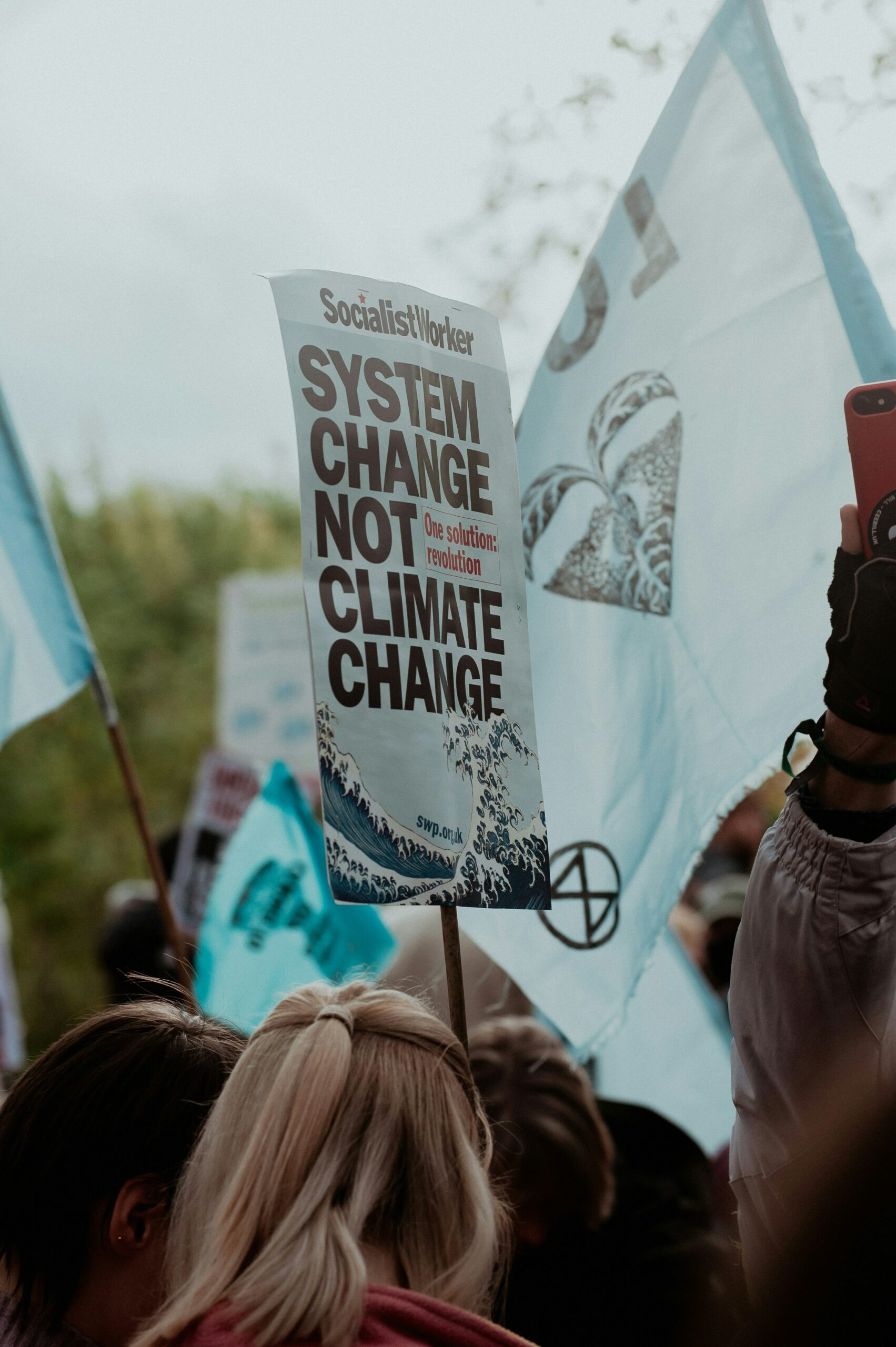
Environmental groups offered a mixed verdict. Greenpeace called the agreement “a compromise that keeps 1.5°C alive but on life support,” while the World Wildlife Fund described it as “a step forward, but not the leap we need.” Several youth climate activists, including Greta Thunberg, dismissed the pact as “blah, blah, blah,” arguing that it lacks enforceable mechanisms.
In contrast, business leaders and some governments hailed the deal as a clear market signal. The Glasgow Financial Alliance for Net Zero, a coalition of over 450 financial institutions representing $130 trillion in assets, committed to aligning their portfolios with net-zero emissions by 2050. “This is the moment when capital markets began to price in the end of the fossil fuel era,” said Mark Carney, the UN special envoy for climate finance and former Bank of England governor.
Next Steps and Broader Impact
The agreement now shifts the burden of implementation to national governments. Each country is expected to submit updated, more ambitious climate plans—known as nationally determined contributions—by the end of 2022, ahead of the next UN climate conference in Egypt. Failure to meet these targets could trigger a review mechanism, though the pact lacks enforcement teeth.
For businesses, the signal is unmistakable. Major oil and gas companies, including BP and Shell, have already announced net-zero strategies, and investors are increasingly divesting from carbon-intensive assets. The Glasgow Financial Alliance for Net Zero, which grew to include over 450 firms during the summit, has pledged to align lending and investment with climate goals.
What Comes Next
The true test of the Glasgow pact will be implementation. National governments must now translate the broad commitments into domestic legislation, carbon pricing mechanisms, and green infrastructure investments. The European Union has already proposed a “Fit for 55” package to cut emissions 55% by 2030, while the United States is advancing a $555 billion climate and clean energy bill through Congress.
For individuals, the agreement reinforces the urgency of personal action—from reducing energy consumption to supporting policies that accelerate the transition. Experts recommend that citizens engage with local climate plans, consider switching to renewable energy providers, and advocate for stronger corporate disclosure of carbon footprints.
The next major milestone will be COP27 in Sharm El-Sheikh, Egypt, in November 2022, where nations will be expected to submit updated pledges and address the growing gap between promises and action. As Guterres warned, “The clock is ticking. The Glasgow pact is a step, but the marathon continues.”