Lede
A landmark study published Tuesday in the journal Environmental Health Perspectives has found a direct link between elevated levels of fine particulate air pollution in cities and measurable delays in cognitive development among children under the age of 10. Researchers from the University of Southern California and the Barcelona Institute for Global Health analyzed data from over 20,000 children across four continents, concluding that exposure to pollutants known as PM2.5—particles smaller than 2.5 micrometers—can result in a six-month lag in working memory and problem-solving skills compared to peers in cleaner environments.
The Scope of the Problem
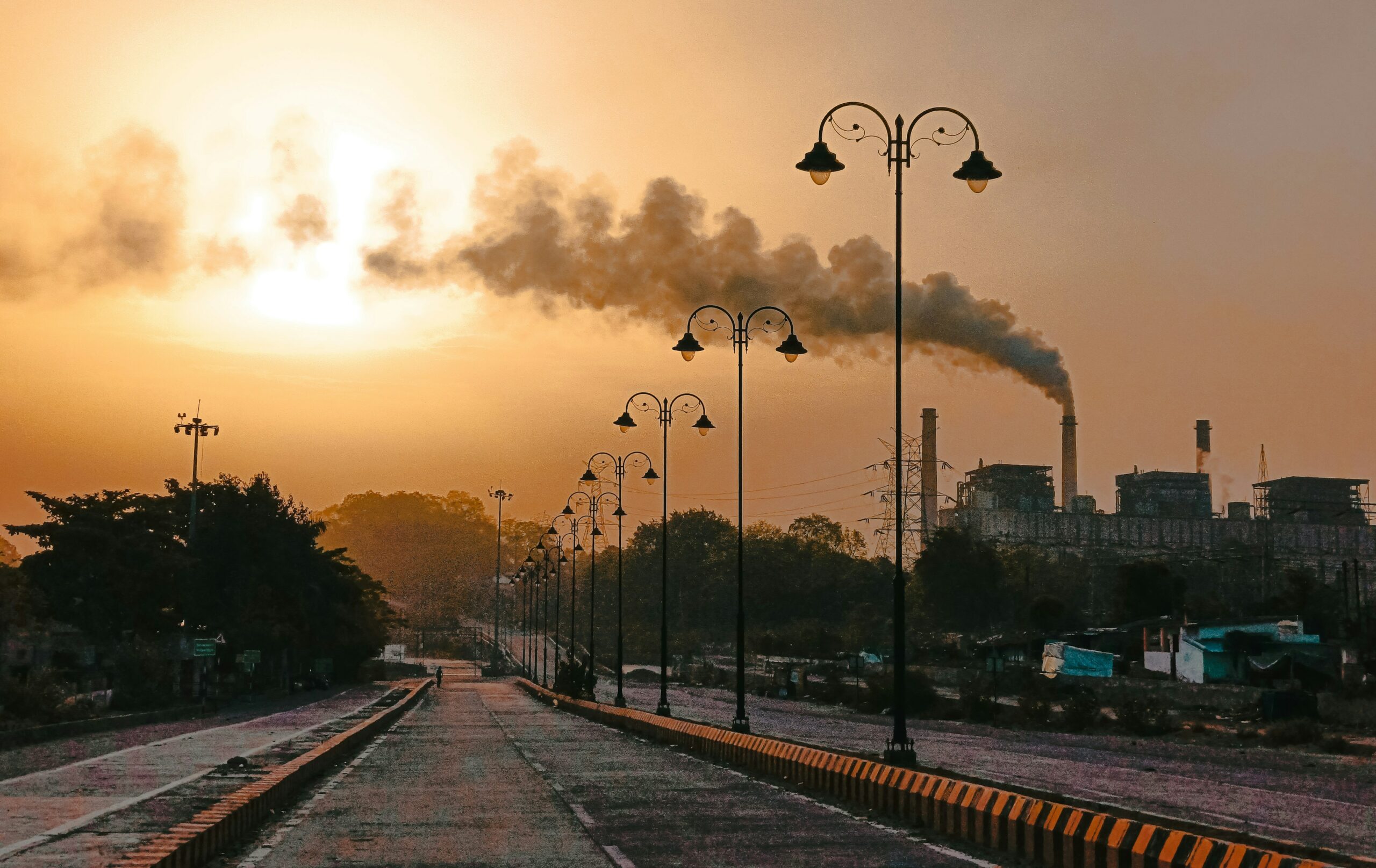
The study, which drew on health records and air quality monitoring data from the United States, Spain, China, and India, focused on children living within 500 meters of major roadways or industrial zones. PM2.5 particles, which are emitted by vehicle exhaust, power plants, and wood-burning stoves, are small enough to cross the lung barrier and enter the bloodstream. Previous research has linked them to asthma and heart disease, but this is one of the largest inquiries into their effect on developing brains.
Dr. Mariana Herrera, the lead author, emphasized the ubiquity of the threat. “We are not talking about extreme smog events,” she said in a news release accompanying the study. “We are talking about the everyday background pollution that millions of children breathe in places like Los Angeles, London, or New Delhi. The effects are subtle but cumulative.”
Key Findings and Data
The research team assessed cognitive function using standardized tests administered at ages 5, 7, and 9. After controlling for socioeconomic status, parental education, and household smoking, they found:
- Processing speed declined by an average of 8% among children in high-pollution zones.
- Verbal comprehension scores were 7% lower, with delays most pronounced in boys.
- Attention span showed deterioration even at PM2.5 concentrations considered “safe” under current World Health Organization guidelines.
The study’s authors noted that these deficits often did not manifest as clinical disabilities but as subtle differences that could affect school performance and future earning potential over a lifetime.
Broader Implications and Expert Reactions
The findings arrive as many global cities are rethinking traffic management and industrial zoning. London, Paris, and Beijing have already introduced low-emission zones, but millions of children remain exposed in smaller cities and low-income neighborhoods.
Dr. Jonathan Lee, a pediatric neurologist at Boston Children’s Hospital not involved in the research, praised the study’s scale. “It removes any doubt that air pollution is a pediatric neurotoxin,” he told the outlet. “The question now is not whether we need to act, but how fast we can enforce cleaner air for schools and residential areas.”
Human Element: One Family’s Experience
In south Los Angeles, Maria Gonzalez, a mother of two, says she has watched her youngest son struggle with attention issues for years. Her apartment sits just 200 meters from a major freeway. “I used to think his trouble focusing was just his personality,” she said in an interview. “Now I wonder if the air he breathes is hurting his mind. We can’t afford to move.”
Family testimonials like Gonzalez’s underscore the study’s call for policy interventions rather than individual lifestyle changes.
What Comes Next
The research team has begun a follow-up study using portable air quality monitors to track individual exposures in real time. Meanwhile, advocate groups are pushing for stricter enforcement of emissions standards near schools and public housing.
For parents, experts recommend:
- Keeping windows closed during rush hour.
- Using HEPA-filter air purifiers in bedrooms.
- Checking local air quality indexes before outdoor play.
As Dr. Herrera concluded: “This is a solvable problem. We have the technology to clean up our urban environments. What we need now is the political will to choose children’s health over convenience.”
Related Reading: For more on how indoor air quality affects learning, see the EPA’s guide to ventilation in schools.