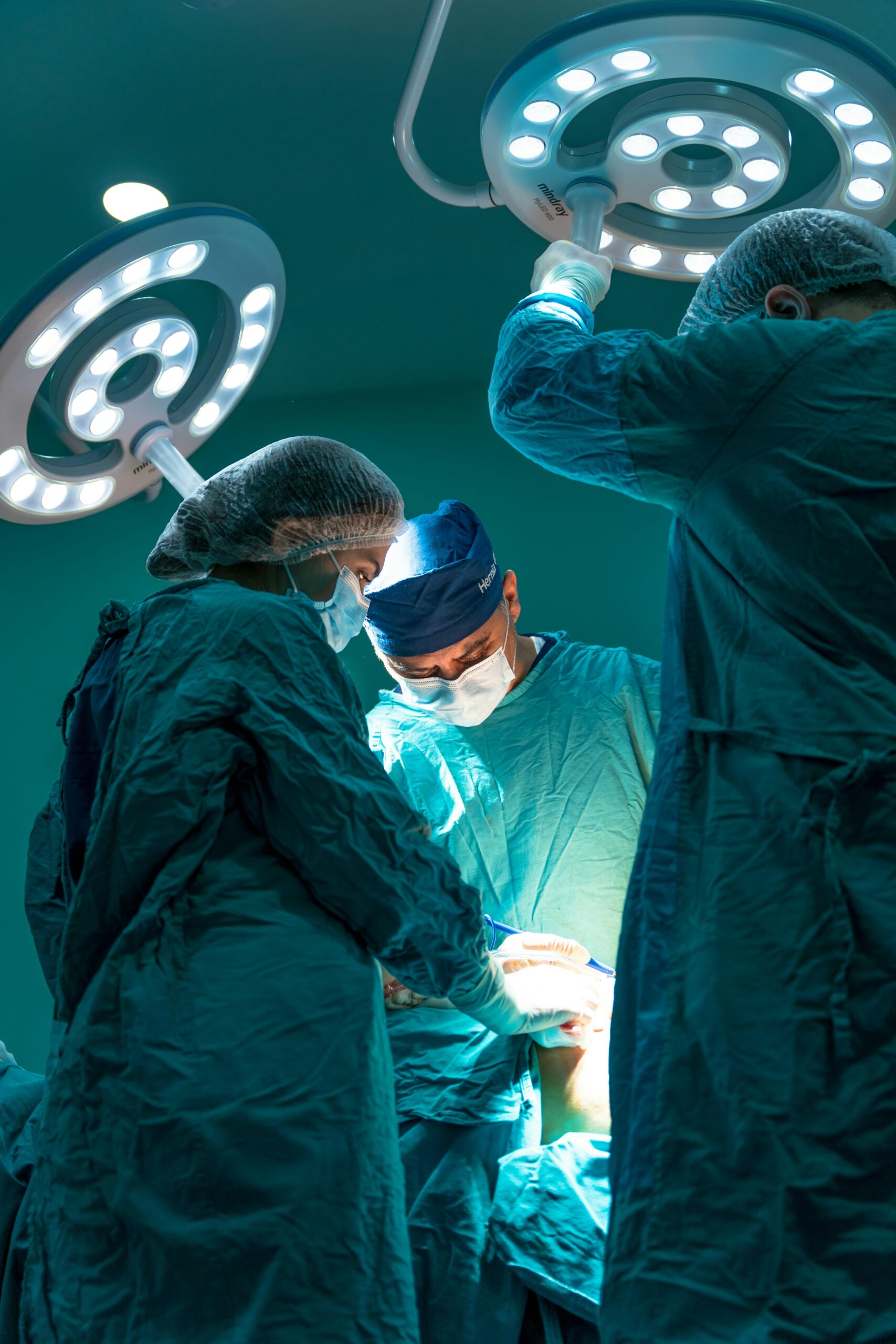
For decades, the acrid smell of burning tissue has been an accepted, if unpleasant, part of surgery. But a growing body of evidence suggests that the smoke generated by cauterizing tools—a plume containing toxic chemicals, viruses, and carcinogens—poses a serious, and largely ignored, health hazard to operating room staff and patients alike.
Every year, an estimated half a million healthcare workers in the United States alone are exposed to surgical smoke. Generated when electrosurgical units, lasers, or ultrasonic scalpels heat and vaporize tissue, this plume is chemically similar to the toxic byproducts of industrial incineration. According to a 2020 study published in the Journal of Occupational and Environmental Medicine, the smoke contains hazardous substances including benzene, hydrogen cyanide, and formaldehyde—compounds linked to cancer, respiratory illness, and genetic mutations.
Yet despite the documented risks, fewer than half of U.S. hospitals have adopted smoke evacuation systems as a standard protocol. In many operating rooms, the only defense remains a simple surgical mask, which filters particles no smaller than five microns. The particulate matter in smoke can be as small as 0.07 microns, easily bypassing this barrier and settling deep in the lungs.
“We’re breathing in the same material that we are cutting out,” says Dr. Jennifer Thom, a general surgeon at Northwestern Medicine who has become an advocate for smoke-free surgery. “It’s unconscionable that we have known about these risks for over 30 years and still fail to protect our teams.”
The consequences are already visible. A 2019 survey by the Association of periOperative Registered Nurses found that 86% of nurses reported experiencing at least one symptom from smoke exposure, including headache, cough, watery eyes, and chronic sinus infections. More troubling are the long-term risks: a 2017 study in Surgical Endoscopy found that surgical smoke contained viable human papillomavirus (HPV) DNA, raising the possibility of virus transmission to the surgical team.
The issue has gained renewed urgency following the COVID-19 pandemic, which prompted hospitals to upgrade ventilation systems and rethink airborne transmission risks. Many safety experts argue that surgical smoke should be treated with the same rigor as other biohazards.
Some states are beginning to act. In 2021, California passed a law requiring all healthcare facilities to implement smoke evacuation policies by 2023. Similar legislation is pending in New York, Illinois, and Colorado. The Occupational Safety and Health Administration (OSHA), while not yet issuing a specific standard, has cited hospitals for failing to protect workers from smoke exposure under the General Duty Clause.
Advances in technology offer a straightforward solution. Portable smoke evacuators, which filter and capture more than 99.9% of airborne particles, are now available for under $2,000. Wall-mounted systems are becoming more common in newly built surgical suites. The cost, advocates say, is far lower than the long-term healthcare expenses of chronic illness among staff.
“This isn’t a question of cost,” says Dr. Thom. “It’s a question of culture. We wouldn’t ask a firefighter to go into a burning building without a respirator. Why are we asking our surgeons and nurses to operate without one?”
For patients, the implications are equally serious. A 2021 review in Annals of Surgery noted that inhalation of smoke by the patient during laparoscopic procedures—where smoke is trapped in the abdominal cavity—can cause carbon monoxide poisoning and interfere with recovery.
What can be done? Experts recommend several actionable steps:
- Hospitals: Audit current smoke evacuation practices; invest in portable or central evacuation systems; provide N95 or higher-grade respirators to surgical staff.
- Surgeons: Use lowest effective power settings; reduce time of continuous cautery; advocate for protocol changes.
- Nurses and technicians: Report symptoms; monitor workplace air quality; request training on smoke evacuation equipment.
As medical technology advances, the persistence of surgical smoke stands as a stark reminder that innovation in patient care must also extend to worker safety. Until every operating room is equipped to capture and eliminate surgical plume, the men and women who heal others will continue to risk their own health with every incision.
For more information: The Association of periOperative Registered Nurses (AORN) publishes free guidelines on surgical smoke safety. OSHA offers resources on workplace hazard controls.