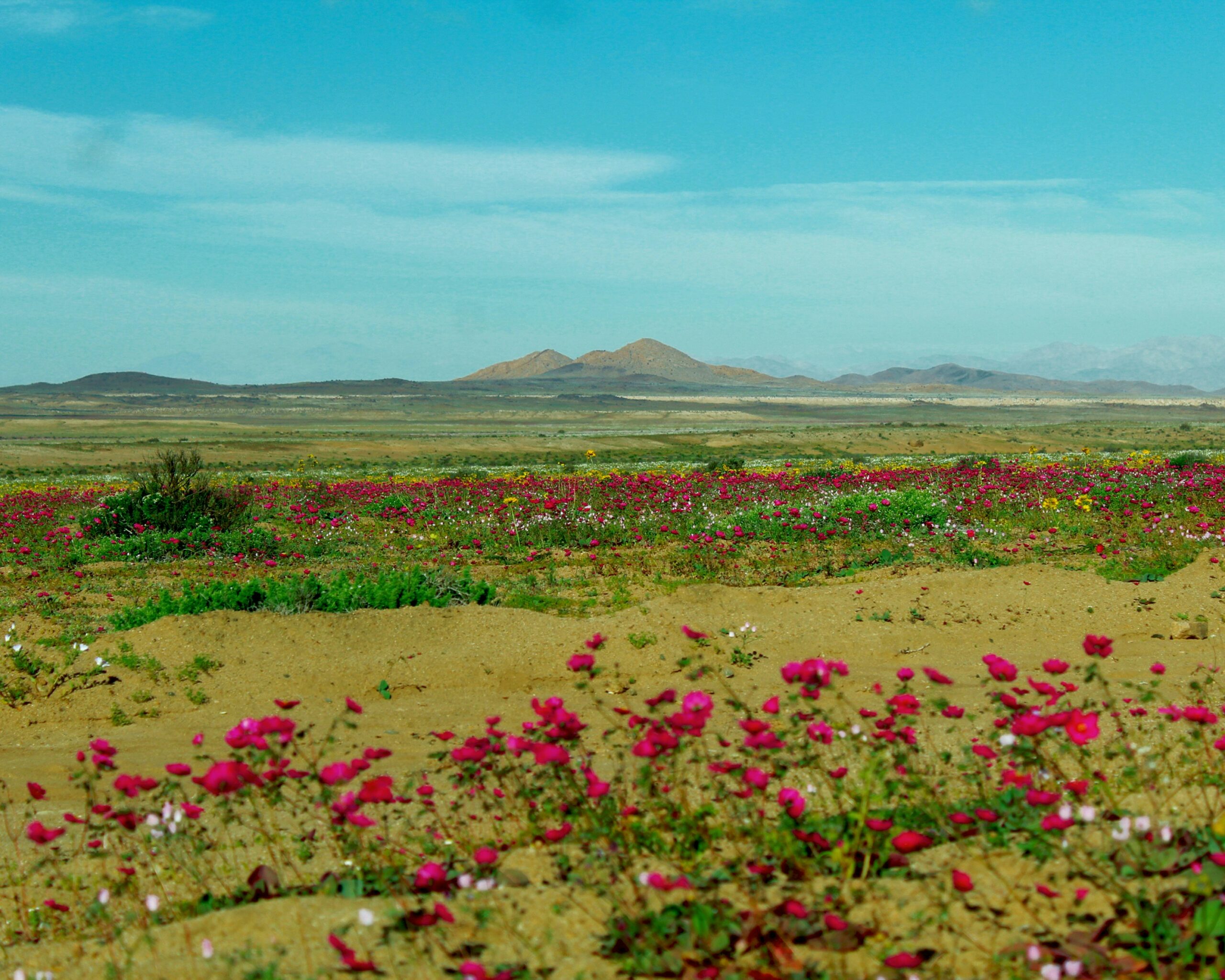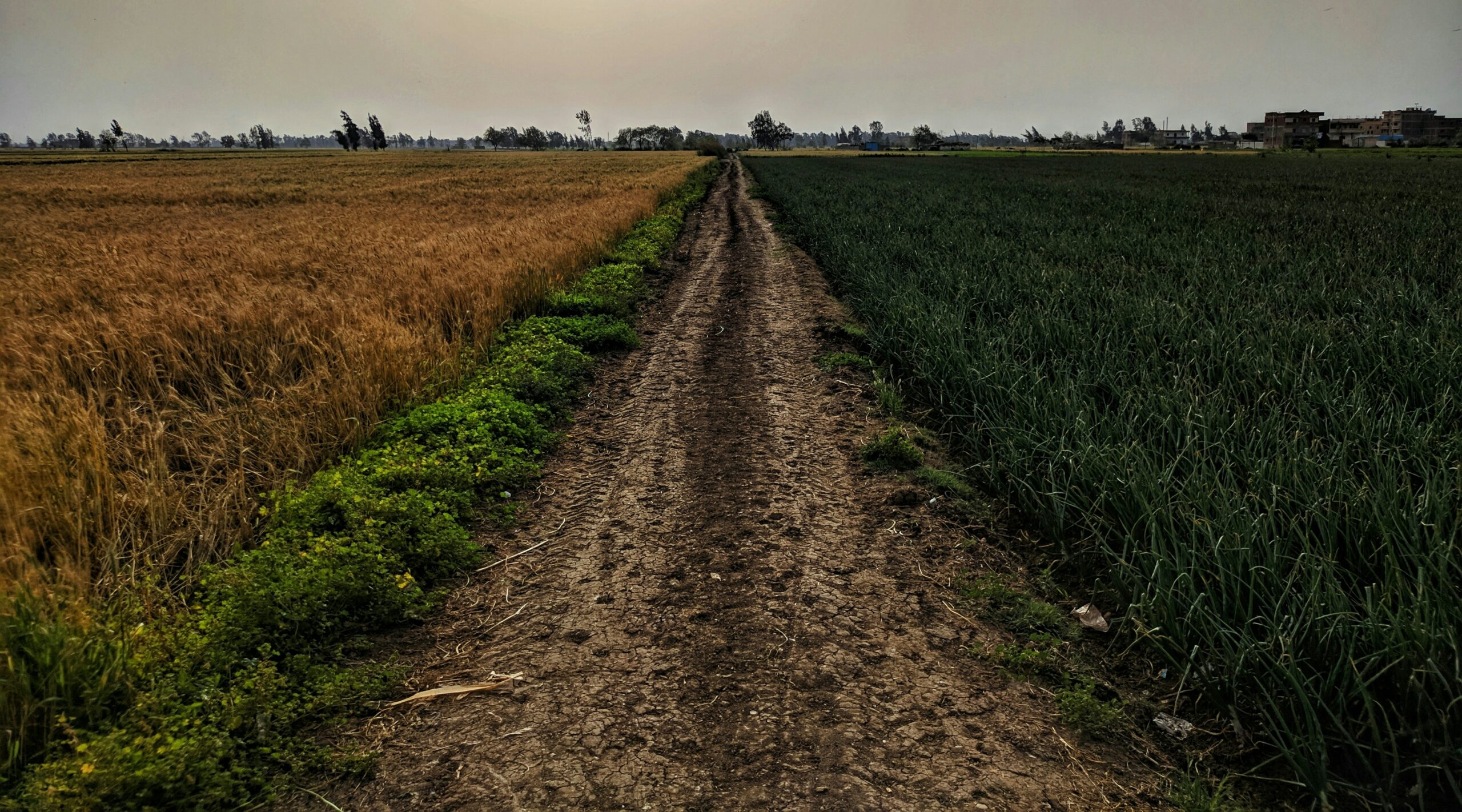
A sweeping transformation of the world’s agricultural landscape is underway, driven by accelerating climate change, and experts warn it poses an existential threat to global food supplies. Scientists and policymakers report that shifting weather patterns, from intensifying droughts to unprecedented floods, are disrupting crop cycles, reducing yields, and forcing farmers to adapt or abandon centuries-old practices. The crisis, affecting every continent, is expected to deepen inequality and trigger wider economic instability if left unaddressed.
In the breadbasket regions of the United States, Europe, and Asia, record-breaking heat waves and erratic rainfall have already slashed harvests of staple crops like wheat, corn, and rice. The U.S. Department of Agriculture recently estimated that extreme weather events in 2023 alone reduced global grain production by nearly 4%, a figure that climbs with each passing season. “We are seeing a fundamental shift in what can be grown where,” said Dr. Elena Marchetti, a senior climate resilience analyst at the UN Food and Agriculture Organization. “Traditional farming calendars no longer hold, and the buffers of the past—like stored water or genetic diversity—are being stretched to their limits.”
Smallholder farmers, who produce roughly one-third of the world’s food, are bearing the brunt. In sub-Saharan Africa, prolonged droughts have dried up rivers and depleted soils, while in South Asia, monsoon-driven floods have swept away entire harvests. For communities dependent on rain-fed agriculture, each failed season pushes families closer to hunger. “We used to plant by the stars,” said Kenyatta Mwangi, a maize farmer in Kenya’s Rift Valley. “Now the rains come when they want, or not at all. We lose everything.”
The crisis is not merely agricultural—it is a humanitarian and economic time bomb. Higher commodity prices, already strained by conflict and supply chain disruptions, are likely to escalate, hitting low-income nations hardest. The World Bank projects that an additional 100 million people could face acute food insecurity by the end of this decade if current trends continue. Simultaneously, farmers face rising costs for heat-resistant seeds, irrigation systems, and insurance, pushing many off the land entirely.
In response, governments and research institutions are racing to develop climate-resilient crops. Breeding programs are focusing on varieties that tolerate drought, heat, and saltier soils. The International Rice Research Institute, for example, has released a flood-tolerant rice strain—known as “Scuba Rice”—now grown by millions in Bangladesh and India. “Innovation is possible, but it requires investment and political will,” noted Dr. Marchetti.
Broader adaptation strategies include:
- Shifting planting seasons to align with new weather patterns.
- Improving water management through micro-irrigation and rainwater harvesting.
- Diversifying income sources, such as integrating livestock or agroforestry.
Yet experts caution that adaptation alone cannot outpace the speed of climate change. The Intergovernmental Panel on Climate Change (IPCC) emphasizes that without deep cuts to global greenhouse gas emissions, agricultural losses will become catastrophic by mid-century. “This is not a distant problem,” said Dr. Marchetti. “It is happening now, in fields and markets everywhere.”
Looking ahead, the global community faces a stark choice: invest in resilient food systems and emissions reduction, or accept a future of chronic shortages and rising hunger. For farmers like Mwangi, the next growing season begins in a few months. “We are hoping,” he said quietly. “But hope is not a plan.”