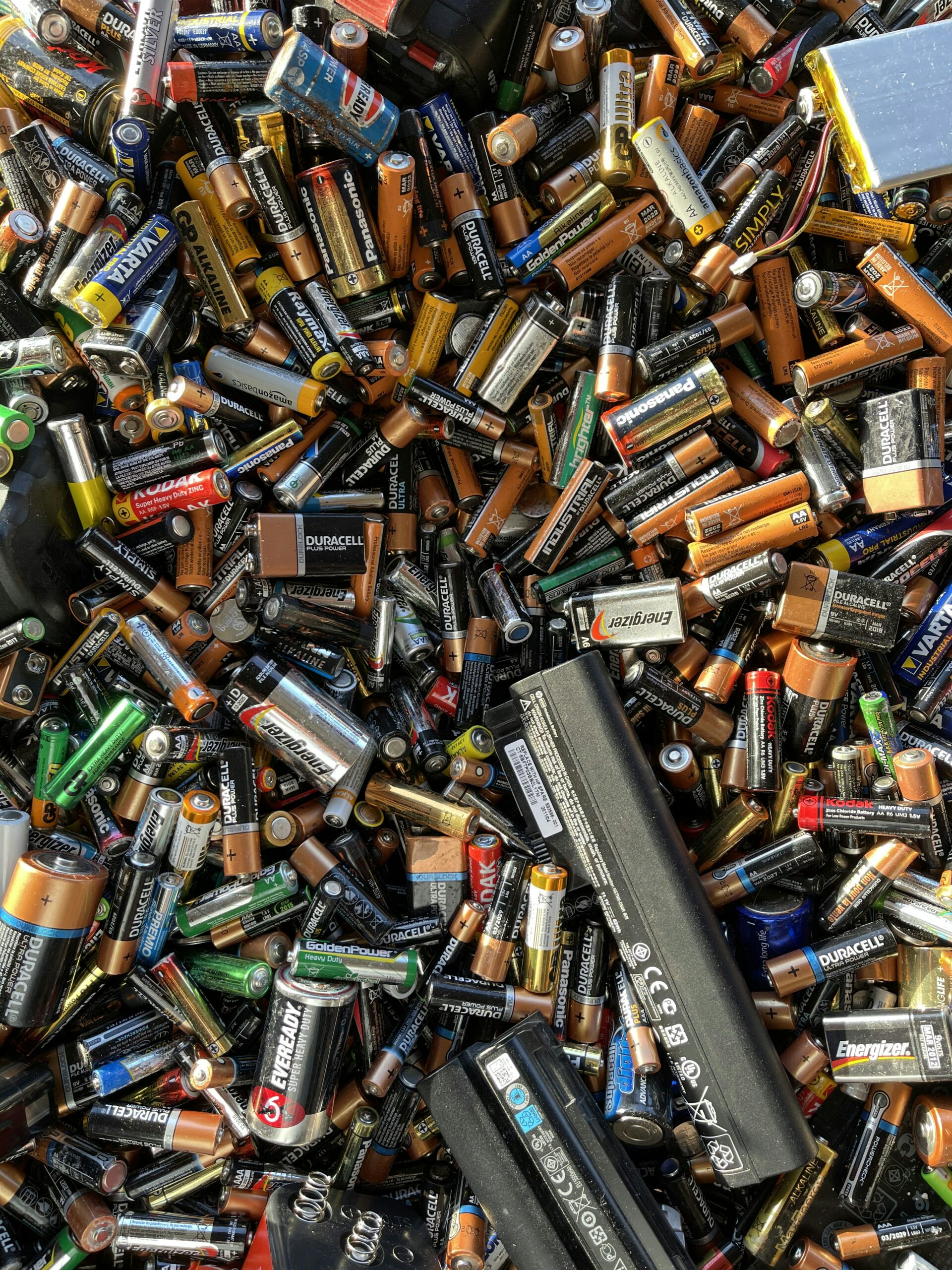
Researchers at a leading materials science institute have announced a pivotal breakthrough in sustainable technology: a biodegradable battery capable of dissolving completely after its functional life cycle. The innovation, revealed Tuesday, promises to address the mounting global crisis of electronic waste by offering a power source that leaves no toxic footprint.
A Solution to a Growing Crisis
The prototype, developed by a team of environmental engineers, utilizes a thin, flexible design composed primarily of cellulose and a proprietary magnesium-based ink. Unlike conventional lithium-ion batteries, which require expensive and environmentally taxing recycling processes, this new device dissolves harmlessly in water or soil within weeks of disposal.
Electronic waste is currently the fastest-growing solid waste stream in the world. According to the United Nations, more than 50 million metric tons of e-waste are generated annually, with batteries constituting a significant portion of that toxic burden. Traditional batteries leach heavy metals like lead, mercury, and cadmium into groundwater, posing severe risks to ecological systems and human health.
How the Technology Works
The battery functions through an electrochemical reaction between the magnesium anode and a non-toxic cathode. While the energy density is currently lower than that of standard commercial batteries, it generates sufficient power for single-use applications such as medical sensors, smart packaging, and environmental monitoring devices.
Dr. Elena Vance, the lead researcher on the project, emphasized the importance of the battery’s “triggered degradation.”
“We designed the system to remain stable during use but to rapidly disintegrate when exposed to specific environmental triggers,” Vance said. “This ensures that we are not just shifting the problem from disposal to pollution, but actually eliminating the waste entirely.”
Implications for the Medical and Tech Industries
The potential applications for transient electronics are vast. In the medical field, these batteries could power temporary implantable devices—such as dissolvable stitches with sensors or drug-delivery systems—without requiring a secondary surgery for removal. In the consumer sector, they could power “smart” labels on food products that expire along with the product itself, reducing plastic and electronic clutter.
However, challenges remain before mass production can begin. Key hurdles include:
- Scaling production: Moving from lab prototypes to cost-effective mass manufacturing.
- Longevity: Extending the battery life for applications requiring longer than a few days of power.
- Performance: Improving voltage output to compete with standard alkaline or lithium cells.
Looking Ahead
The research team is currently partnering with a major medical technology firm to test the safety and efficacy of the batteries in clinical trials. If successful, the first commercial products utilizing this technology could appear on the market within the next three to five years.
This development marks a significant step toward a circular economy, where the lifecycle of a product is considered at the moment of its creation. As the world grapples with the environmental cost of technology, innovations that disappear without a trace may soon become the new standard.