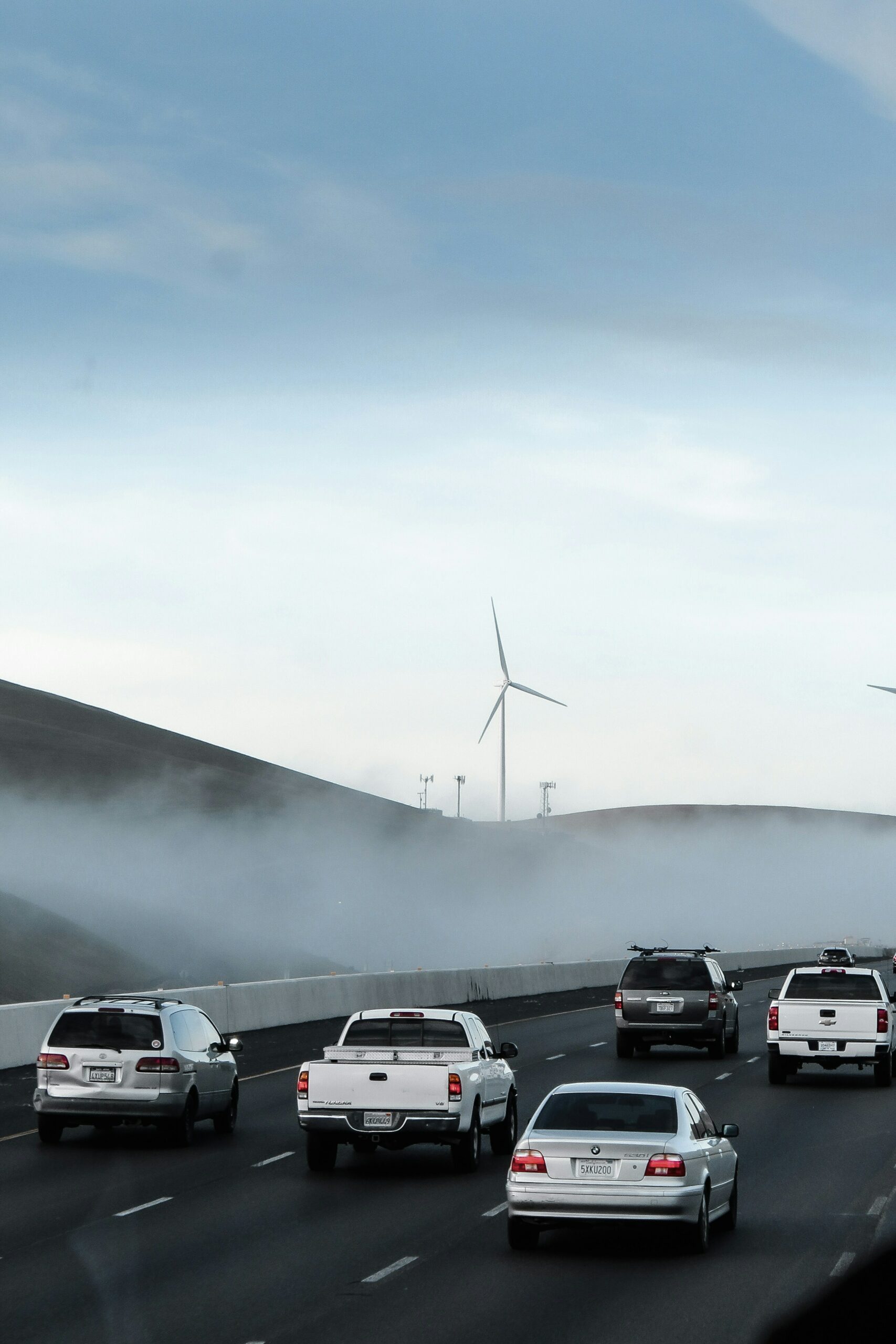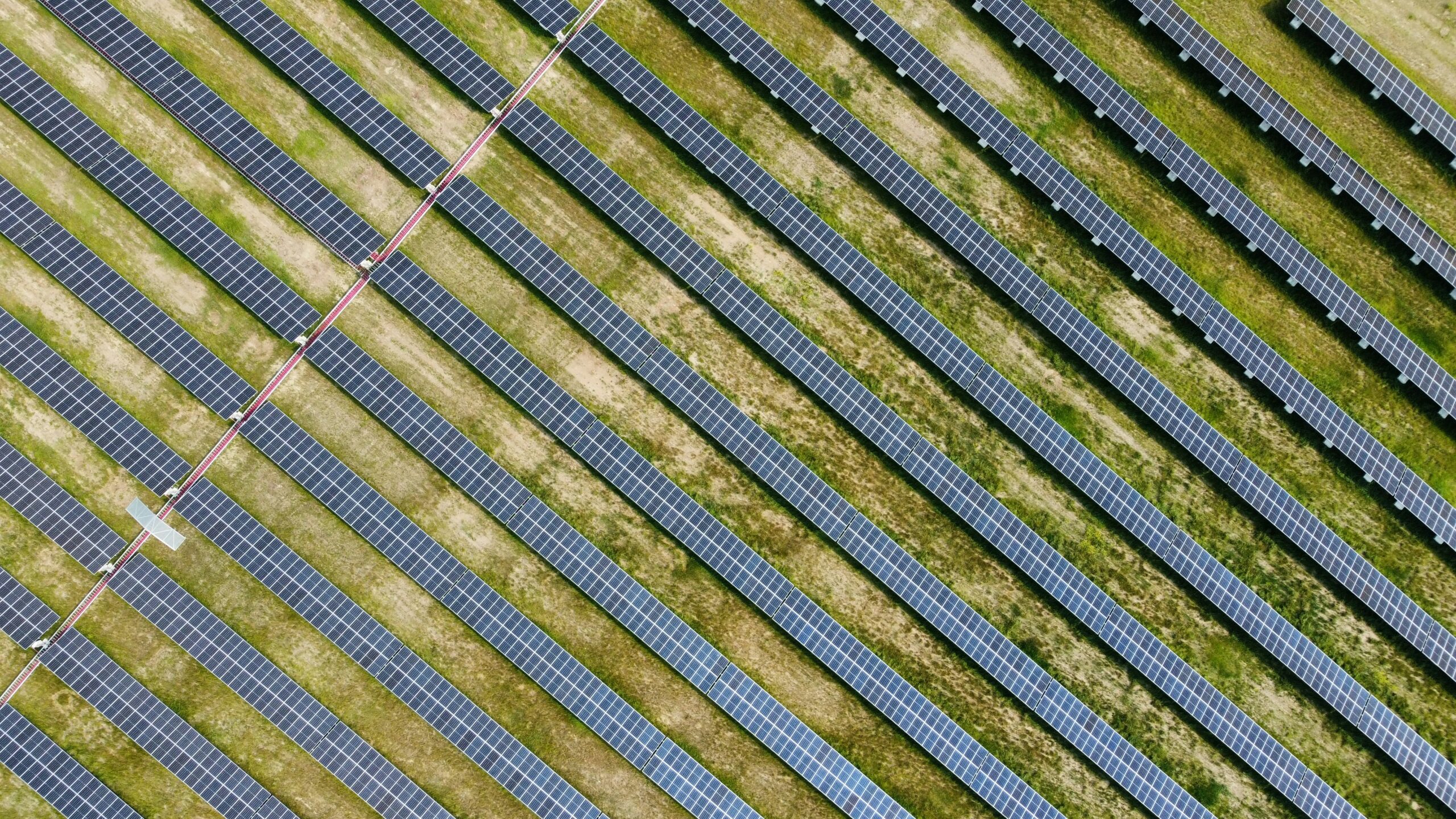
In a landmark shift for the global energy landscape, the combined capacity of renewable energy sources has officially surpassed that of fossil fuels worldwide. The milestone, confirmed in a report released this week by the International Energy Agency (IEA), marks a turning point in the decades-long transition toward sustainable power generation, signaling that the era of unchecked fossil fuel expansion may finally be waning.
The report indicates that solar photovoltaic systems and wind farms accounted for the vast majority of new installations over the past year. Driven by aggressive policy support in major economies, including China, the United States, and the European Union, the addition of green infrastructure has accelerated at an unprecedented rate. This rapid deployment has effectively altered the composition of the global power grid, providing a glimmer of hope for climate targets set under the Paris Agreement.
A Decade in the Making
Analysts suggest this achievement is the result of a “perfect storm” of favorable conditions. Government incentives, such as tax credits in the United States and renewable mandates in Europe, have incentivized utility companies to pivot away from coal and natural gas. Simultaneously, the cost of producing solar and wind energy has plummeted, making renewables economically competitive without the need for heavy subsidies in many regions.
“We are witnessing a structural change in the energy sector,” said Dr. Elena Ross, a senior energy economist unaffiliated with the IEA report. “It is no longer just about environmental stewardship; it is about economic viability. Investors are backing clean energy because it offers better long-term returns and lower volatility compared to fossil fuel markets.”
Challenges Remain for Grid Modernization
Despite the celebratory nature of the capacity milestone, experts warn that capacity does not equate to generation. Because solar and wind are intermittent—dependent on weather conditions—fossil fuel plants are still required to back up the grid during periods of low sun or wind.
To fully capitalize on this capacity shift, nations must now focus on energy storage solutions. Battery technology, while advancing, remains expensive and insufficient to store the amount of energy required to power major cities through the night or during wind lulls. Furthermore, aging transmission infrastructure in North America and Europe requires urgent modernization to handle the decentralized nature of renewable energy sources.
Implications for Consumers and Policy
For the average consumer, the transition promises long-term price stability. Unlike fossil fuels, which are subject to geopolitical shocks and supply chain disruptions, renewable energy relies on free fuel sources—sun and wind. Over the next decade, this could lead to lower utility bills and greater energy independence for nations that invest heavily in domestic infrastructure.
The report concludes that while the hard work of grid integration lies ahead, the psychological barrier has been broken. Governments are now expected to ramp up investments in nuclear power and hydrogen to complement the renewable surge, aiming for a fully decarbonized power sector by mid-century. As the world grapples with the urgent need to limit global warming, this shift proves that a greener grid is not only possible but already underway.