Lede
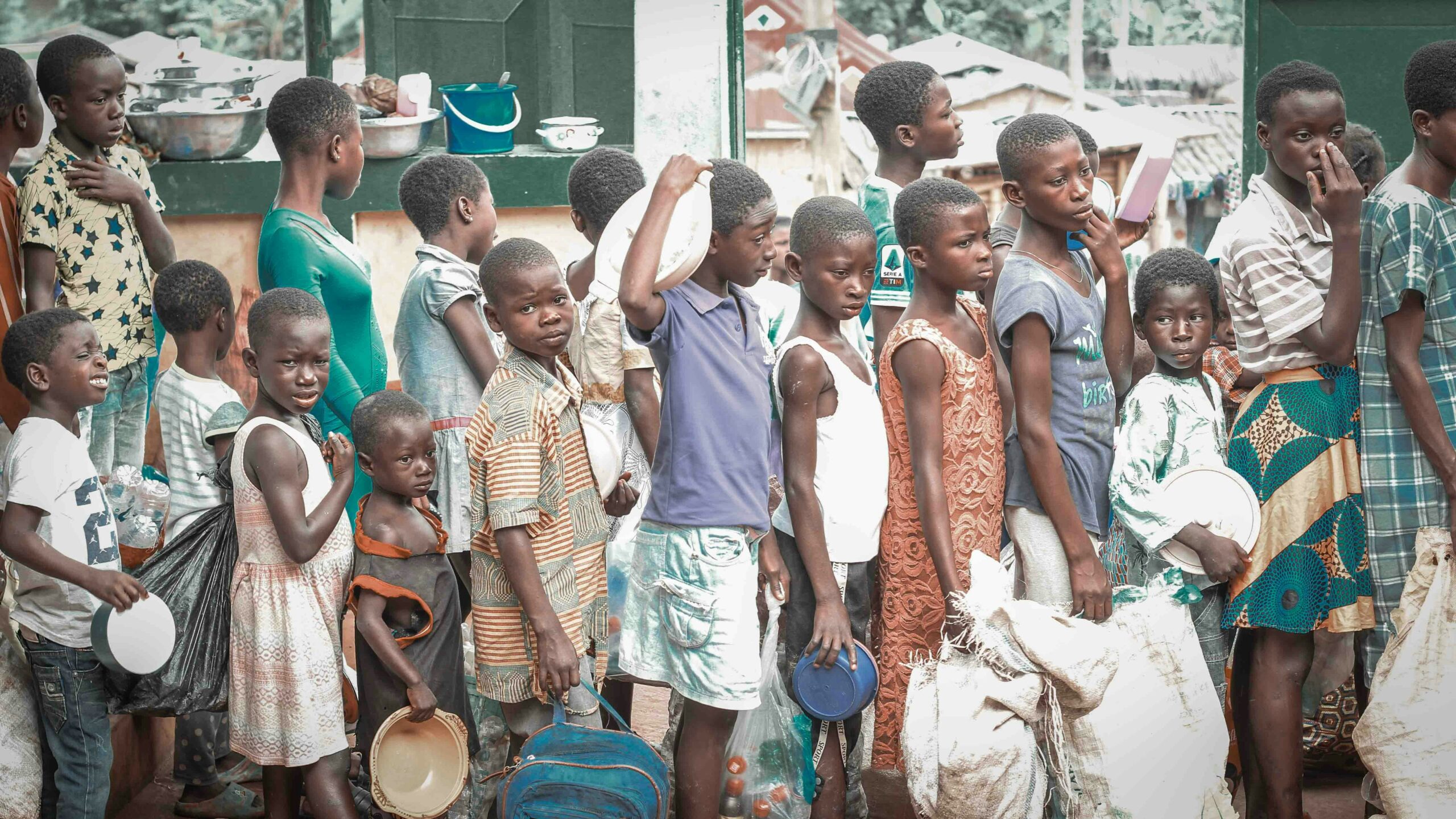
World leaders and international organizations have pledged $2.1 billion in new funding to address a rapidly escalating global hunger crisis, with the United Nations warning that more than 345 million people across 79 countries now face acute food insecurity. The commitments, announced at a high-level summit in Geneva on Tuesday, aim to stave off famine in the hardest-hit regions, including the Horn of Africa, Afghanistan, and Haiti, where conflict, climate shocks, and economic instability have converged to create a humanitarian catastrophe.
Background: A Crisis on Multiple Fronts
The pledge comes as the World Food Programme (WFP) and the Food and Agriculture Organization (FAO) report that the number of people experiencing crisis-level hunger has surged by nearly 200 million since 2020. The primary drivers are a toxic mix of prolonged armed conflicts—particularly in Ukraine, Sudan, and Myanmar—extreme weather events linked to climate change, and the lingering economic aftershocks of the COVID-19 pandemic. Rising global food prices, exacerbated by supply chain disruptions and the war in Ukraine, have pushed basic staples beyond the reach of millions.
“We are facing a perfect storm,” said Martin Griffiths, the UN’s Under-Secretary-General for Humanitarian Affairs, during the summit’s opening session. “Without immediate and sustained action, we will see entire communities pushed into famine. This is not a future threat; it is happening now.”
The Scale of the Emergency
The $2.1 billion pledge, while substantial, covers only a fraction of the estimated $22 billion needed to avert widespread starvation this year. The funding gap remains critical, with humanitarian agencies warning that without additional resources, food rations in several countries will be cut by as much as 50 percent.
Key allocations from the pledge include:
- $800 million for emergency food aid in East Africa, where a historic drought has left 22 million people in Ethiopia, Kenya, and Somalia severely food insecure.
- $600 million for conflict-affected populations in Yemen, Syria, and the Sahel region.
- $400 million for nutrition programs targeting pregnant women and children under five, who are most vulnerable to irreversible stunting and wasting.
- $300 million for climate-resilient agriculture and long-term food systems reform.
Human Toll and Expert Warnings
The numbers translate into stark human suffering. In Somalia, a mother of six named Amina Hassan told aid workers that she has not eaten a full meal in three weeks. “I walk for hours to find water, but there is none. My youngest child is too weak to cry anymore,” she said. Her story is echoed across displacement camps in Ethiopia’s Tigray region and in the drought-scorched villages of southern Madagascar.
Dr. Sarah Ndegwa, a nutrition specialist with Médecins Sans Frontières, described the situation as “unprecedented in modern times.” She noted that severe acute malnutrition rates among children under five in parts of Somalia have exceeded 30 percent—triple the emergency threshold. “We are seeing children dying from diseases like measles and cholera because their bodies are too starved to fight infection,” she said.
Root Causes and Systemic Failures
Experts point to a confluence of factors that have transformed a chronic problem into an acute emergency. The war in Ukraine has disrupted global grain and fertilizer supplies, driving up food prices by nearly 25 percent in the past year. Simultaneously, the La Niña weather pattern has produced back-to-back failed rainy seasons in the Horn of Africa, decimating livestock and crops. In Afghanistan, the collapse of the banking system and the withdrawal of international development aid have left 20 million people facing severe hunger.
“This is not just about drought or war; it is about a broken global food system that fails the most vulnerable,” said Dr. Agnes Kalibata, a former UN Special Envoy for the 2021 Food Systems Summit. “We need to invest in local agriculture, social safety nets, and early warning systems, not just emergency relief.”
Implications and Next Steps
The Geneva pledges, while welcome, come with significant caveats. Several donor nations, including the United States and the United Kingdom, have tied their contributions to reforms in aid delivery, demanding greater transparency and efficiency from recipient governments. The European Union, for its part, has emphasized the need to address root causes, linking its funding to climate adaptation projects and peacebuilding initiatives.
Humanitarian organizations caution that even with the new money, millions will still go hungry. The WFP has already been forced to cut rations in Yemen, South Sudan, and the Democratic Republic of Congo due to funding shortfalls. “This pledge is a lifeline, but it is not a solution,” said WFP Executive Director Cindy McCain. “We need sustained political will and a fundamental shift in how the world produces and distributes food.”
Broader Impact and Next Steps
The summit concluded with a joint communiqué calling for a “global food security compact” that would include debt relief for vulnerable nations, increased investment in smallholder farmers, and a binding agreement to prevent the use of food as a weapon of war. The UN Security Council is expected to debate a resolution on the issue next month.
For the millions now teetering on the edge of starvation, the clock is ticking. The next harvest season in East Africa is months away, and the rainy season—if it comes at all—may bring floods that wash away what little remains. As one aid worker put it, “We are not just fighting hunger; we are fighting time.”
What Readers Can Do
While the scale of the crisis is daunting, experts emphasize that individual and collective action can make a difference. Reputable organizations such as the WFP, UNICEF, and local food banks accept direct donations. Advocates also urge citizens to contact their elected representatives to support increased foreign aid budgets and climate financing for vulnerable nations.
For those seeking to understand the crisis more deeply, the UN’s Global Report on Food Crises (available at fscluster.org) provides country-by-country data, while the World Bank’s Food Security Update tracks price trends and policy responses in real time.
The Road Ahead
The Geneva summit has bought time, but not a solution. As climate change intensifies and conflicts show no sign of abating, the world’s most vulnerable populations remain trapped in a cycle of hunger. The next test will come in September, when the UN General Assembly convenes in New York. There, leaders will be asked to turn pledges into policy—and to answer a question that grows more urgent by the day: Can the international community act before it is too late?