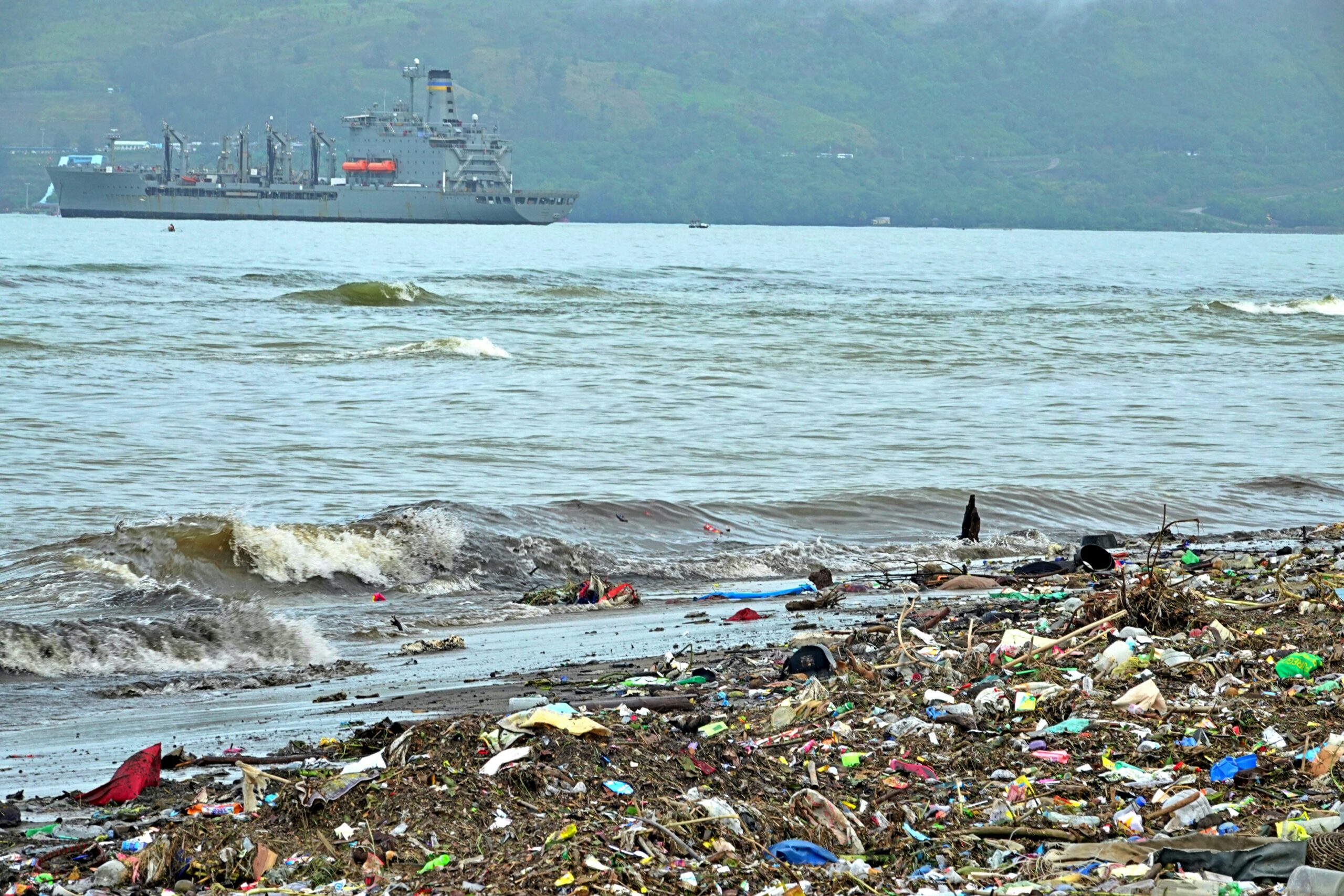
Paris, France – Negotiators from 175 nations agreed Tuesday to a binding international treaty aimed at cutting global plastic waste in half over the next two decades, marking one of the most ambitious environmental accords since the 2015 Paris Climate Agreement.
The final text, adopted after weeks of tense talks at the United Nations Environment Assembly, requires signatory countries to reduce the production of virgin plastics, improve waste collection systems, and impose stricter recycling mandates. Under the plan, signatories must cut the volume of plastic entering the environment by 50% by 2040 compared to 2020 levels, a target scientists say is necessary to prevent irreversible damage to marine ecosystems.
“This treaty is a turning point for our oceans and for human health,” said Inger Andersen, executive director of the UN Environment Programme, in a press conference following the vote. “We are not just cleaning up a mess; we are fundamentally rethinking how plastic is made, used, and reused.”
The Scope of the Crisis
The decision comes as global plastic production has more than doubled in the past two decades, reaching 430 million metric tons per year. According to a 2023 study published in Science Advances, only 9% of all plastic ever produced has been recycled. The rest ends up in landfills, is incinerated, or leaks into the environment. Microplastics have been detected in human blood, breast milk, and even placental tissue, raising concerns about long-term health effects including inflammation and cell damage.
Small island nations—many of which face inundation by plastic pollution washing onto their shores—pushed hardest for strict production caps. Vanuatu’s lead negotiator, Aina Volau, told delegates that her country’s famed beaches now collect more plastic than seashells. “We cannot recycle our way out of this crisis,” she said. “We must stop the flow at its source.”
What the Treaty Requires
Key provisions of the accord include:
- Mandatory reduction targets for single-use plastics, with a ban on non-essential items such as plastic straws, cutlery, and balloon sticks by 2030.
- Redesign standards requiring all packaging to be reusable, compostable, or easily recyclable by 2035.
- Extended producer responsibility (EPR) schemes that force manufacturers to finance collection and recycling infrastructure in the countries where their products are sold.
- A global monitoring framework to track plastic waste exports, aiming to end the practice of wealthy nations dumping trash on developing countries.
Economic and Political Divides
The treaty’s adoption was not smooth. Oil- and gas-producing nations, including Saudi Arabia and Russia, argued that plastic is essential for modern medicine, food safety, and lightweight automotive parts. They successfully watered down a proposed cap on the total volume of plastic production, replacing it with a “voluntary reduction pathway” that experts say is less enforceable.
“The plastics industry has made promises before. We need binding numbers,” said Aja Johnson, a policy analyst at the Center for International Environmental Law in Washington, D.C. “Without mandatory production limits, we risk a loophole big enough to drive a truck through.”
Next Steps and Real-World Implications
Countries have until the end of 2025 to submit national action plans detailing how they will meet the 2040 target. The UN will begin annual audits of progress, with the first results expected in 2027. Environmental groups have already signaled they will push for stricter measures during the implementation phase.
For residents like Maria Herrera, a mother of two living near a plastics recycling facility in Jakarta, the accord offers a sliver of hope. Her children’s school sits beside a river that turns white with plastic foam each rainy season. “We smell burning plastic at night,” she said. “If this treaty means my kids can breathe clean air, it is worth every argument the politicians had.”
The agreement does not include financial penalties for non-compliance, though the UN will publish a “name-and-shame” list for nations falling short. Campaigners say public pressure—combined with the rising cost of fossil-fuel-based plastics—may ultimately prove more effective than fines.
As delegates cleared their desks in Paris, the next battleground shifted to the boardrooms of the world’s largest petrochemical companies. The question now is whether a voluntary framework can achieve what decades of consumer activism could not: turning off the tap of plastic pollution for good.
For more information on how to reduce your personal plastic footprint, visit the UN Environment Programme’s Clean Seas campaign page.