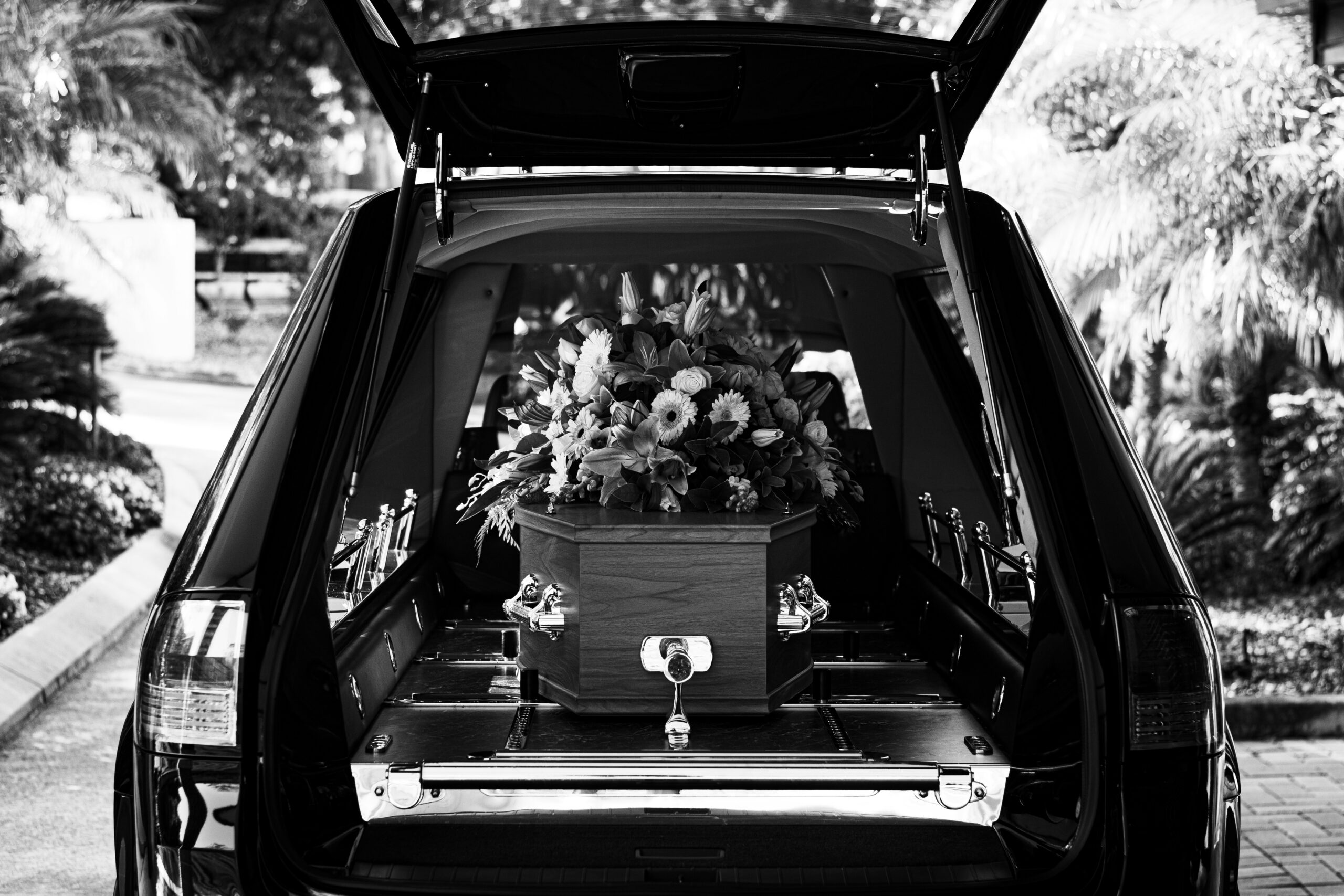
KUALA LUMPUR – A three-day funeral service for the mother of Hong Kong-based celebrities Jacquelin, Lisa, and Celine Ch’ng concluded this week, but a video shared by one of the daughters has ignited a sharp discussion about grief, privacy, and social media etiquette.
Jacquelin Ch’ng, known for her acting and modeling career, posted footage on social media September 2 showing the elaborate funeral arrangements for her mother, Datin Chong Mun, who died last month. The video, shot at a funeral hall in Kuala Lumpur, captures rows of floral tributes, memorial seats for guests, and a central altar featuring the deceased’s portrait surrounded by flowers and offerings.
In the clip, Jacquelin, dressed in a white T-shirt and black blazer with her hair tied back, walks solemnly into the venue. She pauses to bow and press her palms together in a traditional gesture of respect before standing silently before the photograph. The video then transitions into a montage of family snapshots—childhood pictures, holiday celebrations, and candid moments of the mother with her husband and daughters.
While many followers offered condolences, the posting drew immediate criticism from some viewers. “Why do you need to stage it like this? I really can’t understand—I thought it was AI,” one comment read. Another urged: “Can’t you just quietly help Auntie through her final moments?”
Others defended the actress, arguing that funeral videos can serve as a meaningful tribute. “Fairly speaking, a life review is worth watching more than wedding montages. Looking back at someone’s life after they’re gone is perfectly reasonable,” a supporter wrote.
The Ch’ng sisters—Jacquelin, Lisa, and Celine—are well-known figures in Hong Kong’s entertainment industry. Their mother, a Malaysian socialite, was a prominent figure in Kuala Lumpur’s social circles. The family has not publicly addressed the online backlash.
The incident highlights a growing cultural tension in the digital age: how to balance personal mourning with the impulse to share life’s milestones—and final moments—publicly. Etiquette experts note that while social media has normalized broadcasting intimate events, funerals remain a deeply private affair for many.
“Grief is personal, but how we express it is becoming more public,” said Dr. Melissa Wong, a sociologist specializing in digital culture at the University of Hong Kong. “Families today face a new pressure to decide whether memories should be shared for comfort or kept sacred.”
For now, the discussion continues online, with no clear consensus on where the line between remembrance and spectacle should be drawn. As the Ch’ng sisters continue to mourn, their choice to share their mother’s farewell may prompt others to reflect on how technology shapes the rituals of loss.