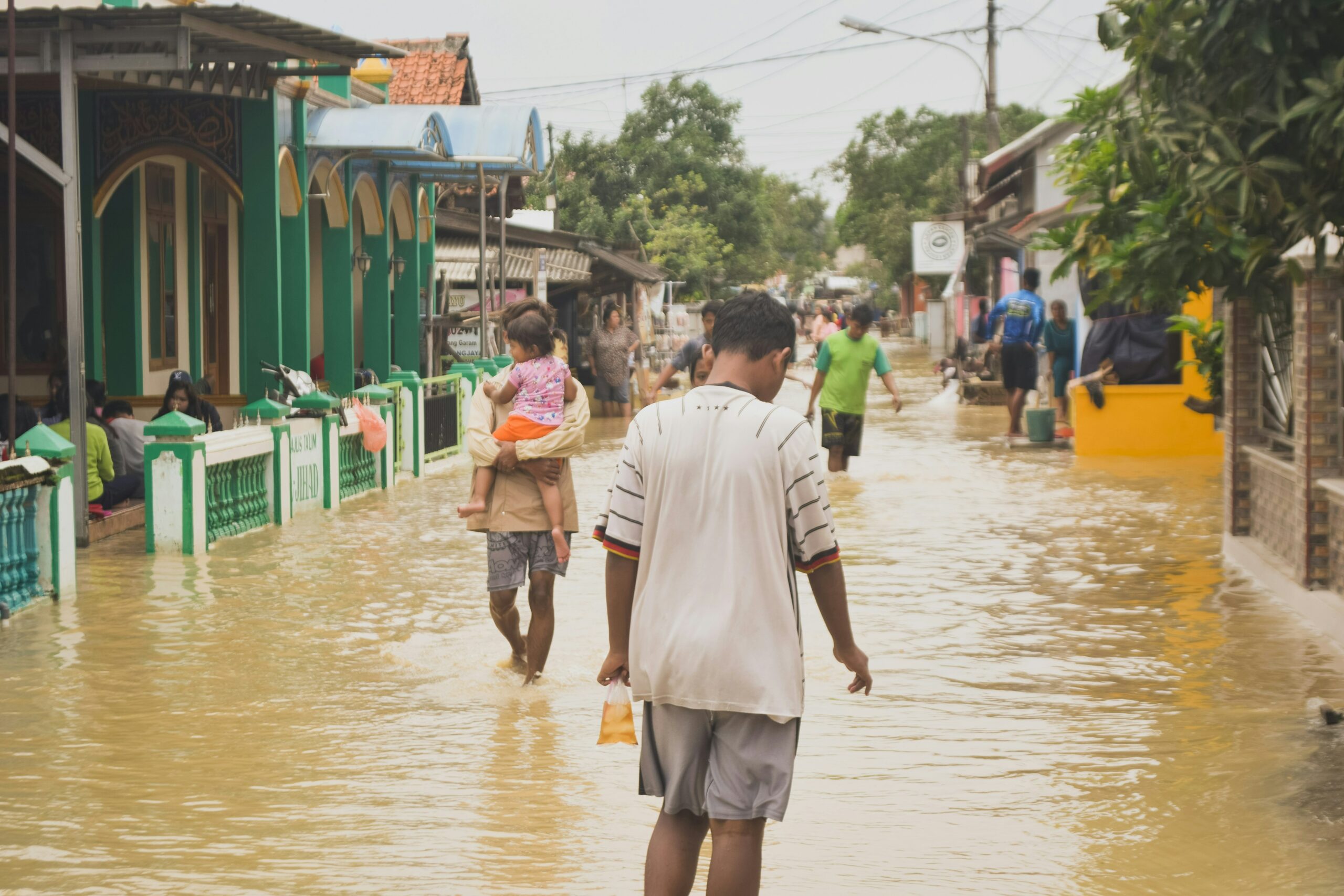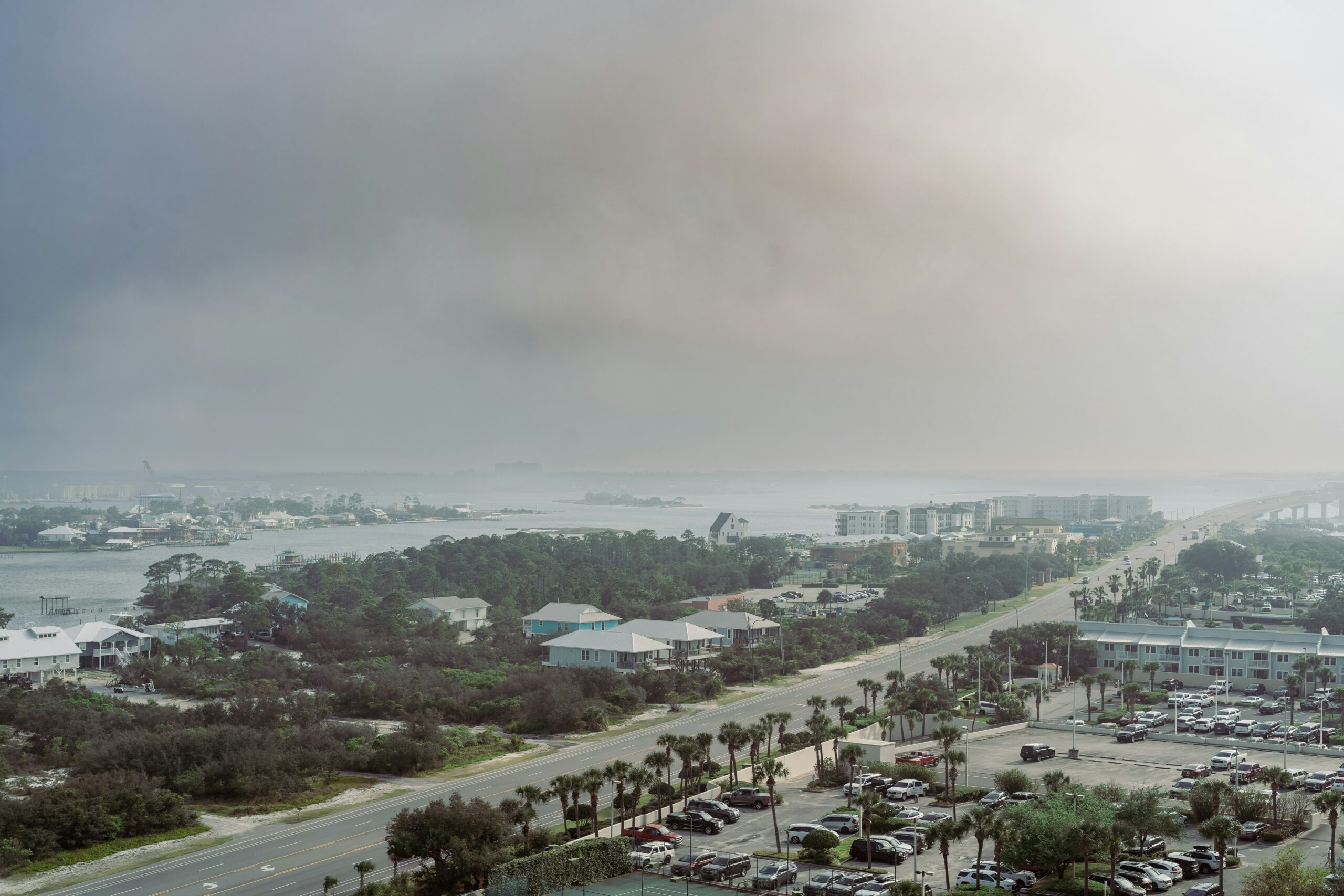
The southeastern United States is reeling from an unprecedented one-two punch of catastrophic hurricanes, as Helene and Milton slammed into the same devastated region within just two weeks, killing dozens, flooding communities, and leaving millions without power.
Helene made landfall late last month as a powerful Category 4 storm along Florida’s Big Bend, before tearing a destructive path through Georgia, the Carolinas, and Tennessee. Less than two weeks later, Hurricane Milton—also a Category 4 at peak intensity—barreled ashore near Siesta Key, Florida, compounding damage in areas that had barely begun to recover.
A Region Under Siege
In western North Carolina, Helene unleashed historic flooding that washed away entire neighborhoods. The mountain town of Asheville saw its worst flooding in more than a century, with the Swannanoa River rising more than 20 feet above normal levels. At least 40 people died across the state, and hundreds remain unaccounted for as search crews pick through debris-laden ravines.
“I’ve lived here my whole life and never seen anything like this,” said Margaret Hollister, a 67-year-old retiree in Swannanoa who lost her home to mudslides. “We thought the worst was over. Then we heard Milton was coming for Florida, and we knew it was only a matter of time before more people got hurt.”
Milton, meanwhile, triggered a massive evacuation order affecting more than 7 million Floridians. The storm surge—which meteorologists initially feared could reach 15 feet—was partially mitigated by the hurricane’s last-minute wobble south, but coastal communities from Fort Myers to Tampa still reported widespread flooding and structural damage.
The Science Behind the Storms
Meteorologists attribute the back-to-back disasters to unusually warm sea surface temperatures in the Gulf of Mexico, which have been running 2 to 4 degrees Fahrenheit above normal. Warmer water acts as fuel for hurricanes, allowing them to intensify rapidly before landfall.
Dr. James Morrison, a climatologist at the University of Miami, explained that the current Atlantic hurricane season is defying historical patterns. “We are seeing storms that go from tropical depression to major hurricane in under 24 hours. That leaves very little time for preparation or evacuation,” he said.
The 2024 hurricane season has already produced 13 named storms, with experts warning that conditions remain favorable for additional development through November.
A Strained Response System
The dual disasters have stretched emergency resources thin. Federal Emergency Management Agency (FEMA) officials acknowledged that the agency is operating under “significant capacity constraints,” with disaster teams simultaneously deployed across multiple states.
- More than 50,000 utility workers have been mobilized to restore power across Florida and the Carolinas
- Over 1,200 shelters remain open, housing nearly 80,000 displaced residents
- The National Guard has deployed 8,000 personnel for search-and-rescue and debris removal
What Comes Next
For residents in the affected areas, recovery will take months, if not years. Insurance analysts estimate combined damages could exceed $50 billion, making 2024 one of the costliest hurricane seasons on record. Homeowners in high-risk coastal zones now face skyrocketing premiums—and in some cases, outright denial of coverage.
Climate scientists continue to urge policymakers to invest in resilient infrastructure, improved evacuation planning, and natural barriers like restored wetlands and mangroves. As Dr. Morrison put it: “We cannot stop hurricanes from forming. But we can stop pretending that this level of destruction is unavoidable.”
For now, communities from Florida to Tennessee are digging out, bracing for the next storm, and confronting a sobering reality: what once seemed like a once-in-a-lifetime disaster is becoming an annual occurrence.