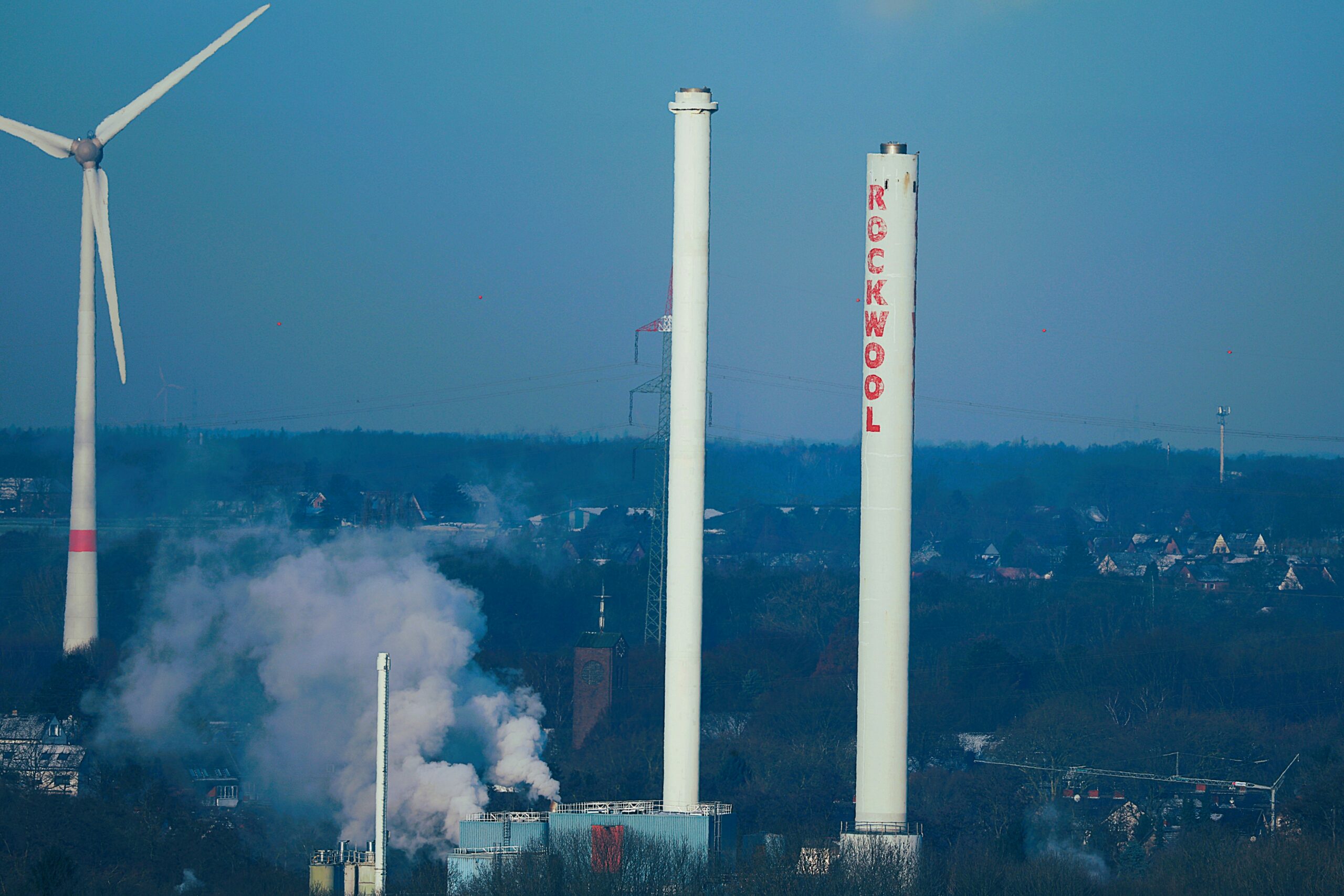
Lede: Global carbon dioxide emissions from fossil fuels surged to an all-time high in 2023, reaching 36.8 billion metric tons, according to a new report from the Global Carbon Project, signaling that the world remains far off track from meeting the climate targets set under the Paris Agreement.
Body:
The latest data, released Tuesday during the UN climate conference in Dubai, reveals that global CO₂ emissions have risen by 1.1% compared to the previous year. Scientists say this trajectory puts the world on a path toward warming of roughly 2.7°C above pre-industrial levels by the end of the century—well above the 1.5°C limit that nations have pledged to pursue.
Regional Trends
China remains the largest emitter, responsible for 31% of global CO₂ output, followed by the United States at 14%, and India at 8%. While emissions in the U.S. and Europe declined slightly—driven by a shift away from coal toward renewables—Chinese and Indian emissions rose sharply, fueled by continued reliance on coal for industrial growth.
“We’re seeing a fundamental mismatch between political rhetoric and real-world action,” said Dr. Pep Canadell, a lead author of the study and a scientist at Australia’s CSIRO. “Every fraction of a degree matters, and we are not bending the curve fast enough.”
Fossil Fuels Dominate
Coal remains the single largest source of CO₂, accounting for 41% of total emissions. Oil and natural gas contributed 32% and 22%, respectively. The report notes that while renewable energy capacity has expanded rapidly—solar and wind installations grew by 50% in China alone last year—this growth has not yet been sufficient to offset rising demand for energy.
“The world is installing record amounts of clean energy, but we are also using more energy overall,” said Dr. Glen Peters, a researcher at the CICERO Center for International Climate Research in Norway. “We need to go much faster on renewables while also aggressively reducing fossil fuel use.”
Land-Use Emissions
A separate portion of the report examined emissions from land-use changes, including deforestation and wildfires. When these are factored in, total human-caused CO₂ emissions reached roughly 41.8 billion tons in 2023—a figure that significantly overshadows the 33-billion-ton level scientists say would be consistent with 1.5°C warming.
The Amazon rainforest, a critical carbon sink, has now flipped from absorbing carbon to emitting it due to deforestation and drought. Similar trends are being observed in parts of Southeast Asia and Central Africa.
Implications for Global Policy
The findings come as delegates at COP28 in Dubai debate the future of fossil fuels. A key flashpoint is whether nations will agree to language calling for a “phase-out” of coal, oil, and gas—a move fiercely opposed by major oil-producing countries.
“We are playing a game of emission hide-and-seek,” said Dr. Joeri Rogelj, a professor of climate science and policy at Imperial College London. “We have the technologies to decarbonize, but we lack the political will and the pace of implementation.”
Next Steps and What You Can Do
The report’s authors stress that the window for meaningful action is closing rapidly. To have a 50% chance of limiting warming to 1.5°C, the world must now cut emissions by about 7% each year through 2030—a target that current policies do not even come close to achieving.
For individuals, experts recommend focusing on reducing energy demand: improving home insulation, shifting to electric vehicles, and reducing air travel. But they also emphasize that systemic change—through voting, investing, and advocating for stronger climate policies—is far more impactful than personal choices alone.
Related Reading:
- Global Wind and Solar Capacity Overtakes Coal for First Time (International Energy Agency, 2023)
- IPCC Sixth Assessment Report: Mitigation of Climate Change
Immediate Outlook:
As negotiators in Dubai enter their final days of talks, the pressure is mounting for a clear, time-bound commitment to transition away from fossil fuels. Whether this year’s summit will deliver such a pledge—or simply produce more voluntary pledges—remains uncertain. But the numbers speak clearly: without a rapid and sustained decline in emissions, the world is locked into a future of intensifying heatwaves, floods, and ecosystem collapse.