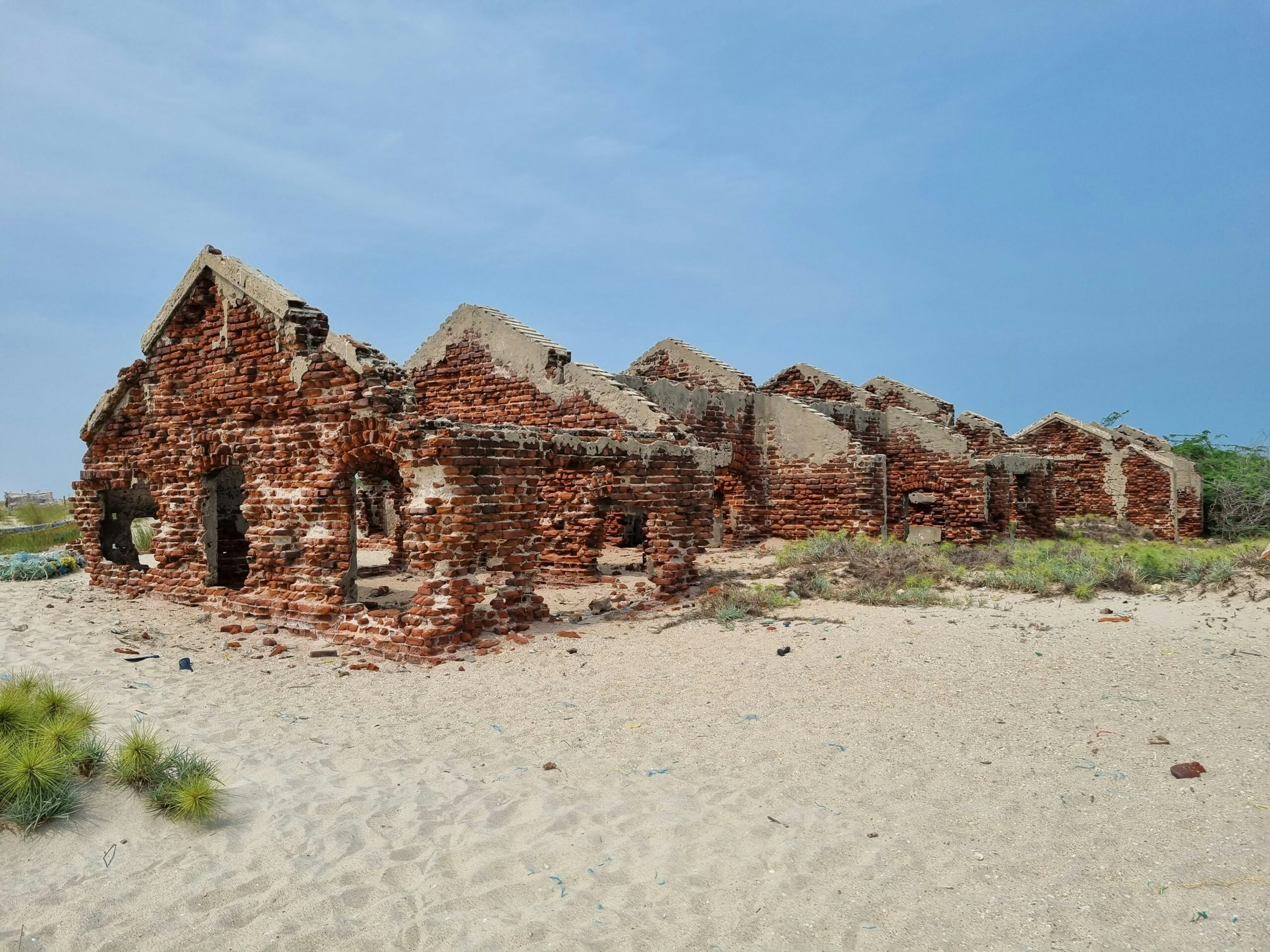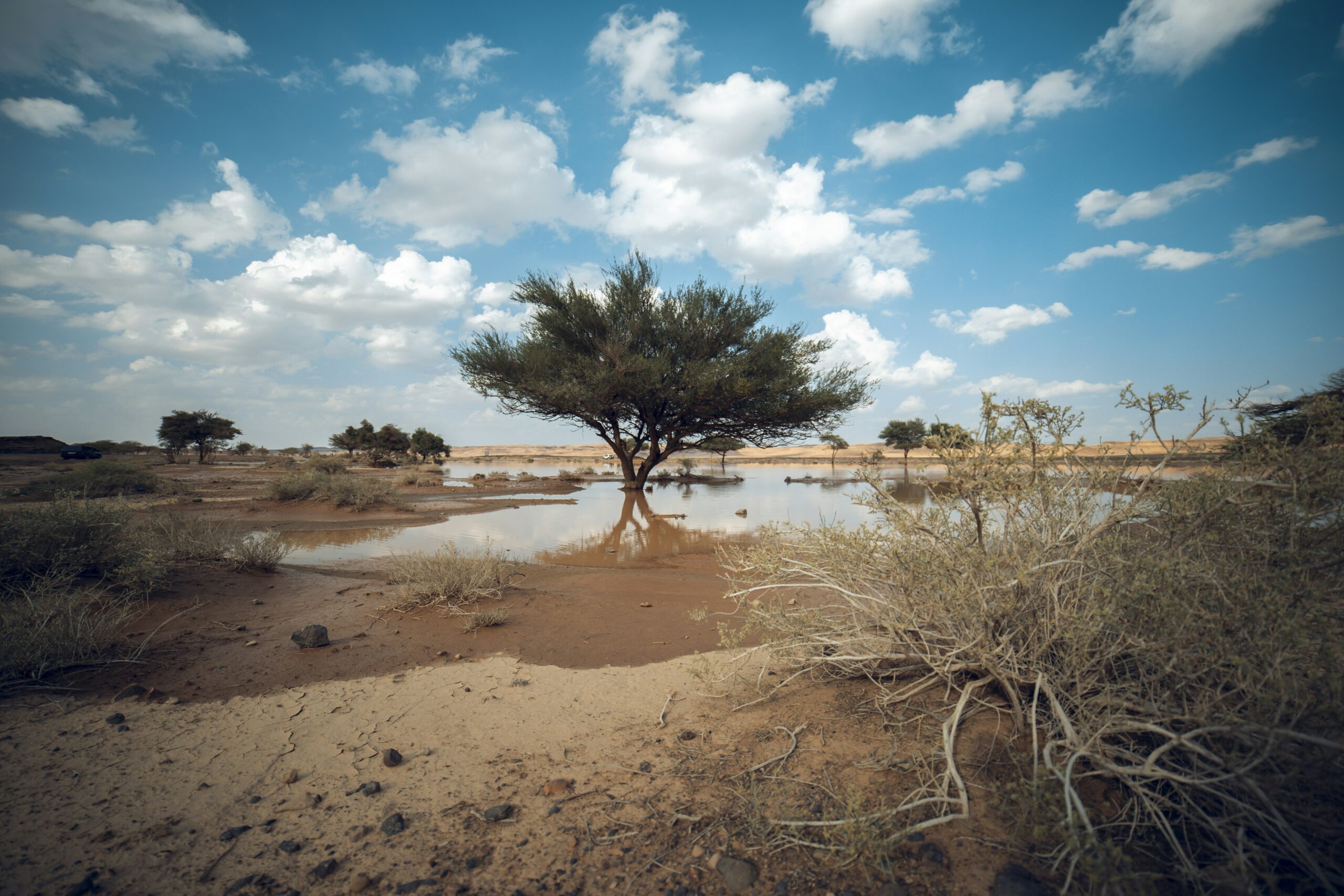
Across vast stretches of farmland in East Africa, the rains that once arrived like clockwork are becoming erratic. In sprawling urban centers from São Paulo to Chennai, taps are running dry with increasing frequency. This is not the plot of a dystopian novel—it is the unfolding reality of a planet in flux, where shifting weather patterns are quietly, yet profoundly, disrupting access to the world’s most essential resource: fresh water.
Converging Forces Behind a Growing Thirst
The crisis stems from a collision of factors, each intensifying the other. Rising global temperatures—now averaging 1.2°C above pre-industrial levels according to the World Meteorological Organization—are altering evaporation rates and precipitation cycles. Warmer air holds more moisture, leading to both more intense downpours and longer dry spells. The result is a paradox: regions that once faced moderate rainfall now lurch between catastrophic floods and severe drought.
Adding to the pressure is the unsustainable drawdown of groundwater. The United Nations estimates that nearly 4 billion people already experience severe water scarcity for at least one month per year. Farmers, cities, and industries are pumping aquifers faster than they can be naturally replenished, a practice scientists call “groundwater mining.” In India’s Punjab region, water tables are falling by as much as a meter per year.
The Human Toll
Behind the statistics are real lives upended. In Kenya’s Turkana County, pastoralist communities have watched their cattle—their livelihood and food source—perish in the dust. “We used to know exactly when to plant and when to move our herds,” says Lokol Paul, a herder whose family lost 30 goats during the 2022 drought. “Now, the seasons have no memory.”
The World Health Organization links water scarcity to rising displacement and conflict. In the Sahel region of Africa, competition over shrinking water resources has exacerbated tensions between farmers and herders. Meanwhile, the International Committee of the Red Cross reports that attacks on water infrastructure—reservoirs, pipelines, treatment plants—have become a common weapon of war, leaving millions without safe drinking water.
What the Data Reveals
- 2.2 billion people lack access to safely managed drinking water (UNICEF/WHO, 2023).
- 80% of wastewater globally flows back into the environment without treatment.
- Agriculture consumes 70% of all freshwater withdrawals, making farming both a driver of and a victim to water stress.
Innovations and Paths Forward
Yet the picture is not wholly bleak. From Chile to California, communities are pioneering solutions that blend ancient wisdom with modern science. In Rajasthan, India, village councils have revived centuries-old johad ponds—rainwater harvesting structures that capture monsoonal runoff, recharging aquifers for dry months.
Technology is also playing a role. Satellite monitoring now tracks groundwater depletion in near real-time, enabling governments to set extraction limits. Drip irrigation, which delivers water directly to plant roots, can slash agricultural water use by up to 60%. In Singapore, the “Four National Taps” strategy—local catchment, imported water, high-grade reclaimed water (NEWater), and desalination—has turned a water-scarce city-state into a global model of resilience.
The Road Ahead
Experts caution that no single intervention will solve the water crisis. What is needed is a systems-level shift: pricing water to reflect its true scarcity, investing in nature-based solutions like wetland restoration, and integrating water security into climate adaptation planning. The World Bank estimates that every dollar invested in water infrastructure yields approximately four dollars in economic returns.
For the herder in Turkana or the family in Chennai, help cannot come soon enough. But as temperatures rise and rains waver, the question becomes not whether we have enough water, but whether we have the collective will to use it wisely—before the taps truly do run dry.
For more on this topic, read about the emerging field of “water diplomacy” and how transboundary agreements could prevent future conflicts.