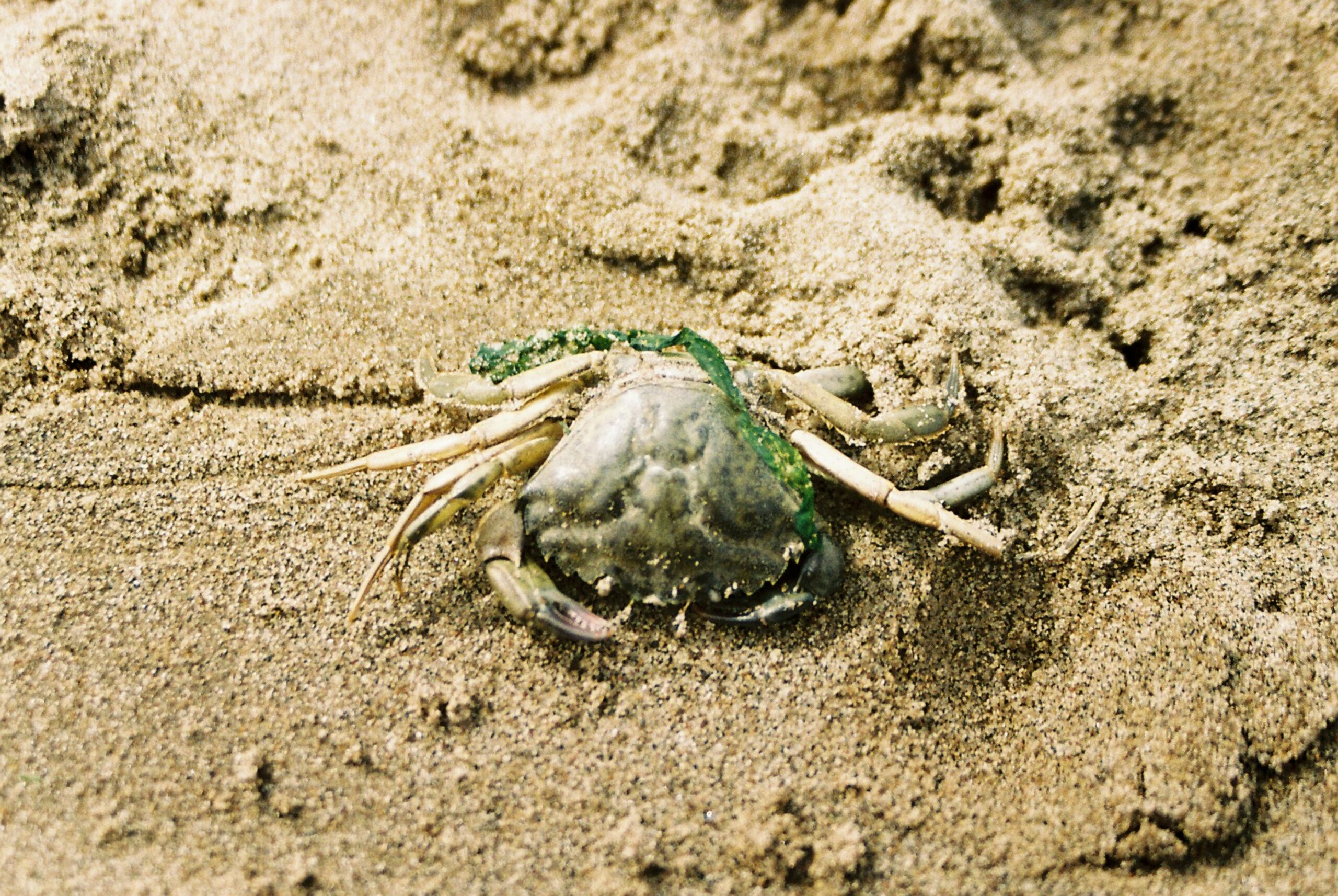
A rapidly spreading invasive species is overwhelming marine habitats worldwide, with scientists warning of irreversible damage to biodiversity and local fisheries.
A landmark international study published Thursday in the journal Nature Ecology & Evolution has documented an unprecedented acceleration in the spread of the European green crab (Carcinus maenas), a voracious predator now established in 28 countries across six continents. The invasion, driven by warming oceans and increased global shipping, poses a direct threat to shellfish industries, seagrass meadows, and the broader ecological balance of coastal zones.
Researchers from 24 institutions, led by Dr. Emilia Vargas of the University of Tasmania, compiled data spanning three decades. The findings show that green crab populations have surged by over 340 percent since 2000, with new colonies appearing in regions—including parts of South America and South Africa—previously considered climate refuges.
“We are witnessing an ecological takeover,” said Dr. Vargas in a statement. “These crabs are highly adaptable. They outcompete native species, destroy critical nursery habitats, and can decimate juvenile commercial species like clams, oysters, and scallops within a single season.”
The Perfect Invader
The European green crab, native to the Atlantic coast of Europe and North Africa, is considered one of the world’s most successful invasive species. Adult crabs can grow to about 10 centimeters across the shell but consume prey many times their own body size. They are particularly destructive to eelgrass beds, which serve as vital spawning grounds for fish and carbon sinks that help mitigate climate change.
The study highlights two primary drivers of the crab’s expansion:
- Rising ocean temperatures have extended the breeding season and opened up previously cold waters to larval survival.
- Ballast water discharge from cargo ships continues to transport larvae across oceans, with ports serving as primary invasion hubs.
The economic toll is already significant. In Maine, the United States’ largest lobster fishing state, green crab predation has contributed to a 40 percent decline in soft-shell clam harvests over the past decade, costing the local economy an estimated $50 million annually. Nova Scotia’s oyster industry has reported similar losses.
A Coordinated Response Emerges
In response to the escalating crisis, a consortium of scientists, government agencies, and indigenous communities is testing novel containment strategies. These include:
- Targeted trapping and removal programs in Argentina’s San José Gulf, which have reduced local crab densities by 70 percent in two years.
- Biological controls, such as introducing parasitic barnacles that sterilize female crabs, though researchers caution this approach requires rigorous safety testing.
- Citizen science initiatives in British Columbia and Tasmania, where trained volunteers monitor shorelines to detect new infestations early.
“Prevention is still our strongest tool,” emphasized Dr. Vargas. “Better maritime regulations, including mandatory ballast water treatment, can stop new arrivals. But once they’re established, eradication is nearly impossible—it becomes a long-term management battle.”
What This Means for Coastal Communities
For local fishermen like Mateo Silva in Patagonia, the crab’s arrival has been devastating. “We used to pull up nets full of native shrimp,” Silva told researchers. “Now it’s nothing but green crabs. They eat everything and nothing eats them.” Silva has since diversified into crab trapping for fertilizer, a low-paying alternative.
The study’s authors urge governments to classify the European green crab as a priority invasive species, unlocking emergency funding for surveillance and control. They also recommend that aquaculture operations adopt screening protocols to prevent accidental transfers, and that consumers avoid purchasing green crab products unless certified from managed fisheries to prevent incentivizing spread.
Broader Implications for Global Biodiversity
The green crab crisis serves as a stark warning about the interconnectivity of climate change and biological invasions. As the planet warms, scientists anticipate similar surges in other mobile marine invaders, including the lionfish and the Asian shore crab.
“We are redefining what ‘native range’ means in the 21st century,” Dr. Vargas concluded. “The next decade will determine whether we can adapt our management frameworks to a rapidly shifting ecological reality—or whether we lose species we’ve relied on for generations.”
The full report, including interactive maps of green crab sightings, is available open-access through the journal’s website. For those seeking to contribute to citizen monitoring, resources and field guides are offered through partner organizations like the Global Invasive Species Network.