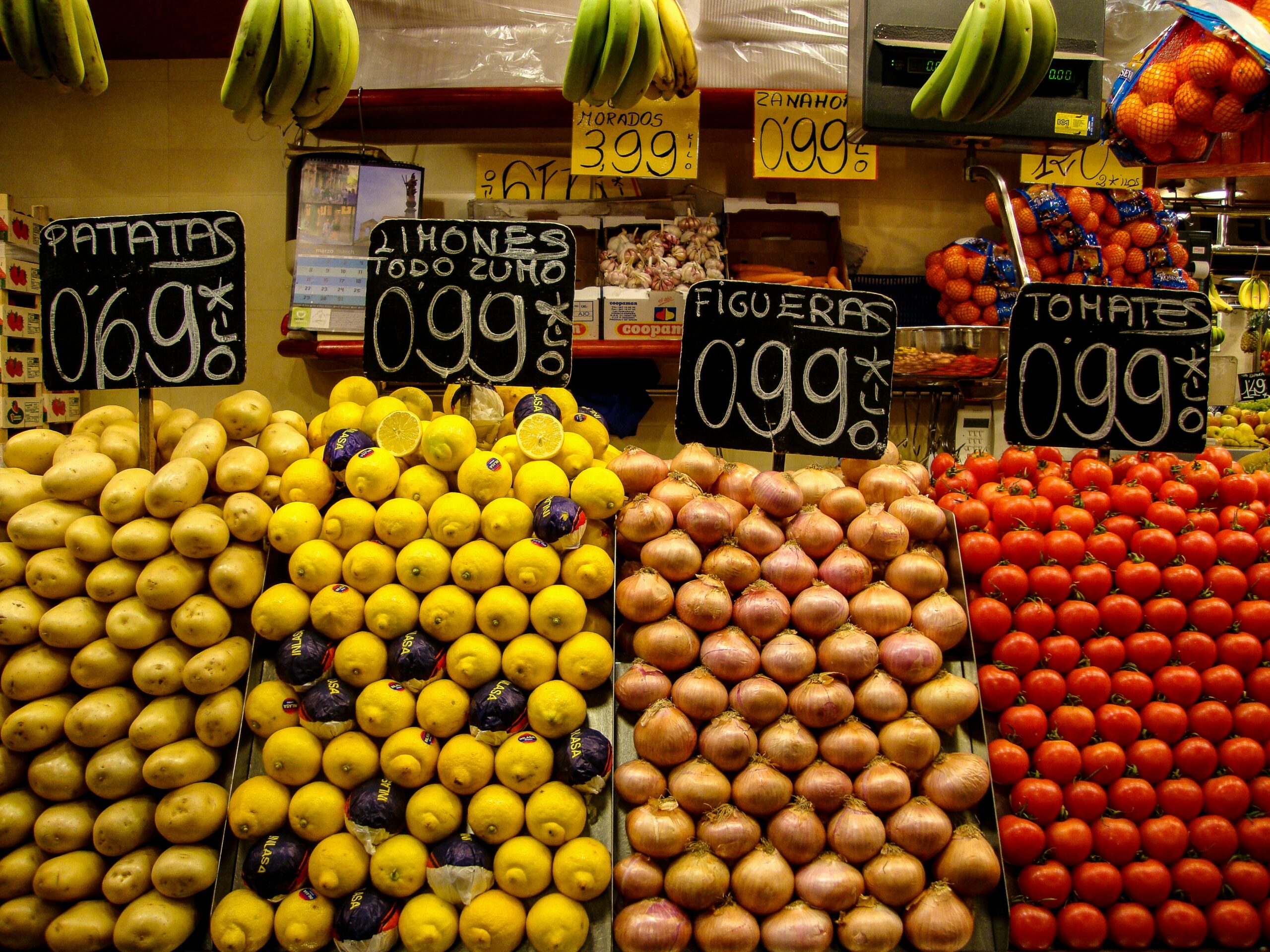
For the first time in months, the upward trajectory of global food commodity markets appears to have plateaued, offering modest relief to consumers grappling with high inflation. The Food and Agriculture Organization (FAO) announced that its benchmark Food Price Index, which tracks the monthly international prices of globally traded food commodities, registered a notable stabilisation in the past month. This shift is primarily attributed to improved supply chain logistics, robust harvests in key producing regions, and a softening of demand in certain segments following a period of unprecedented volatility.
The FAO index, a critical indicator of worldwide food costs, remains significantly elevated compared to pre-pandemic levels, but the recent halt in price escalation suggests that the acute pressures driving inflation might be subsiding. After reaching historic peaks earlier this year, driven largely by geopolitical conflicts impacting major grain and oilseed exporters, market correction seems to be underway.
Drivers Behind the Price Shift
Several intertwined factors contributed to the relative calm observed in the latest data. A major influence has been the improved outlook for global cereal production. Weather patterns in North America and parts of Europe proved favourable for wheat and maize harvests, boosting global stocks and easing market concerns related to immediate shortages.
“While we are far from seeing a complete reversal, the current data reflects a crucial turning point,” commented Dr. Anya Sharma, an agricultural economist tracking global markets. “The successful navigation of trade routes, particularly for grains from the Black Sea region, has injected much-needed predictability back into commodity trading, which invariably filters down into price expectations.”
Specifically, the indices tracking vegetable oils and dairy showcased the most significant declines, reflecting strong production outputs and an inventory build-up. Palm oil prices, for instance, retreated as major producers ramped up exports, countering earlier trade disruptions and labour shortages. Similarly, abundant global milk supplies helped temper the cost of butter and cheese on international markets.
Meat and Sugar Remain Sticky
Not all categories benefited equally from the stabilisation trend. The meat price index showed minimal movement, remaining near its all-time high. This sustained pressure stems largely from inherent structural challenges, including persistent outbreaks of animal disease, high costs for feed (maize and soy), and labour shortages in processing plants across major exporting nations.
Meanwhile, the price of sugar saw a slight increase, stimulated by dry weather conditions severely affecting harvest expectations in key growing nations like India and Brazil. This highlights the fragility of the current stabilisation—localised weather extremes or renewed political instability could quickly reignite inflationary pressures globally.
The Outlook for Consumers
While the falling commodity costs offer encouragement, economists caution that consumers may not immediately see equivalent price drops at the supermarket checkout. There is typically a lag between wholesale commodity price changes and retail adjustments.
Furthermore, factors beyond raw inputs—such as energy costs for transportation and processing, packaging expenses, and labour wages—continue to exert significant upward pressure on the final retail price.
Key Challenges Persist:
- Retail Lag: Time delay before wholesale price changes reach consumers.
- Input Non-Commodity Costs: High energy and logistics expenses remain embedded in supply chains.
- Climate Risks: Extreme weather events continue to threaten future harvests.
Ultimately, the stabilisation in the global food index provides a tentative breather rather than a definitive end to concerns over food security and affordability. Persistent vigilance over energy markets and the ongoing development of resilient, localised food systems will be crucial in ensuring stable access to food for the world’s most vulnerable populations moving forward. Analysts suggest monitoring the upcoming seasonal forecasts, as favourable weather conditions remain the primary hedge against renewed commodity inflation.