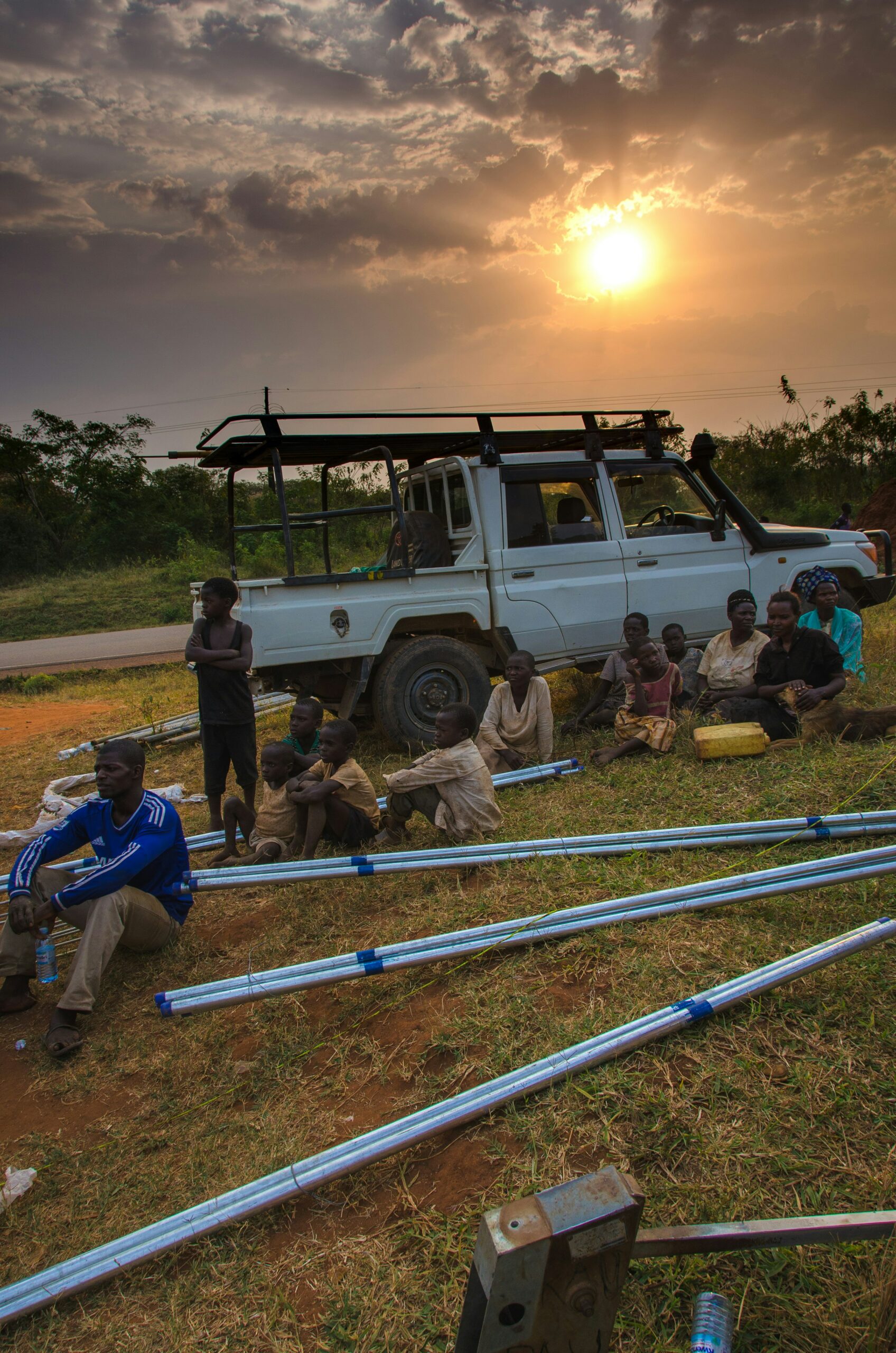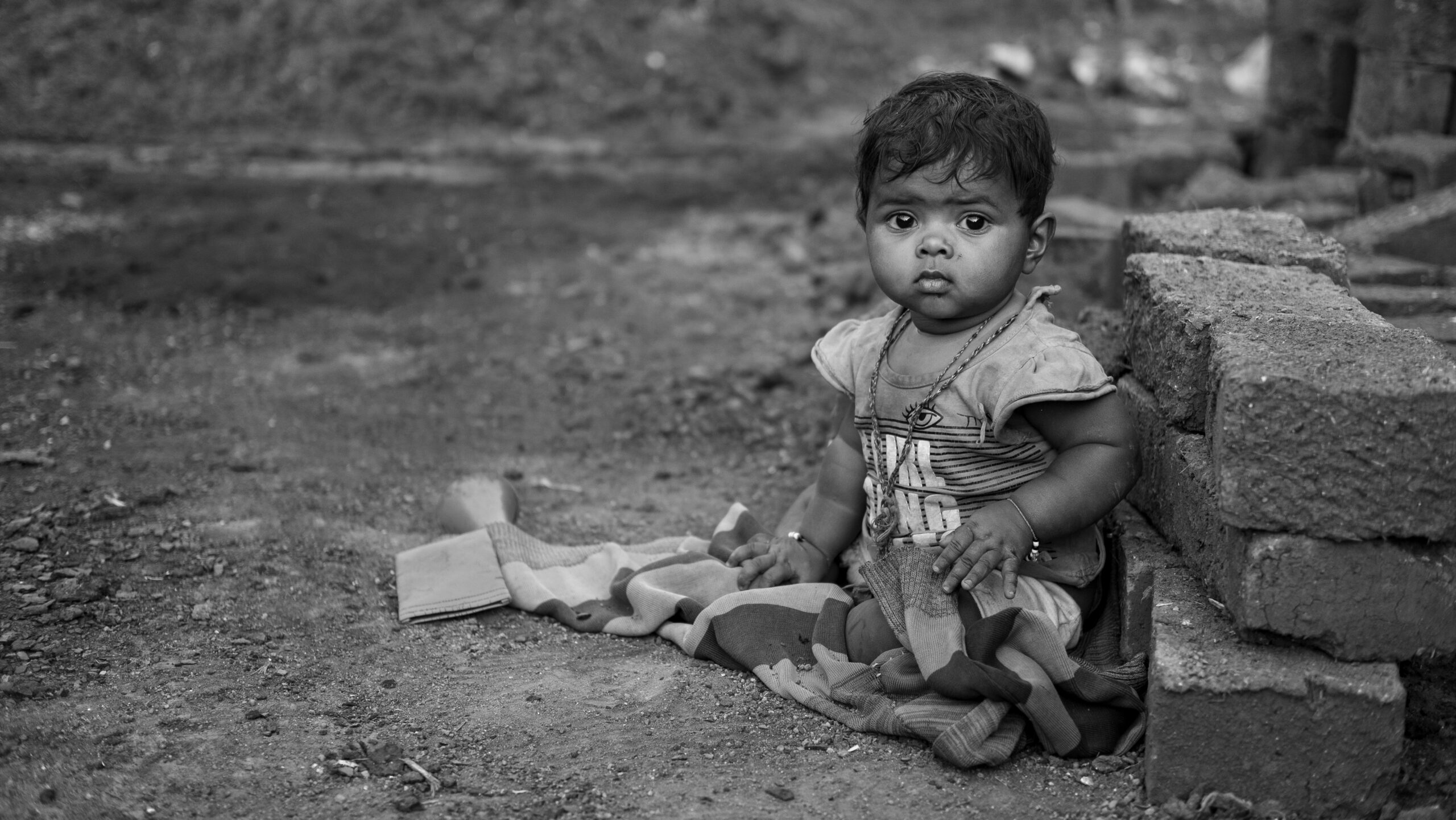
For millions of people across the world’s most vulnerable regions, the daily struggle to secure a meal is no longer defined by conflict or poverty alone—it is being reshaped by a slow-motion catastrophe in the sky. A quiet but relentless shift in weather patterns, marked by erratic rainfall, prolonged droughts, and unseasonable heatwaves, is now driving a global food security crisis that experts warn could become the defining humanitarian challenge of the next decade.
The New Normal: Weather Extremes Become Permanent Fixtures
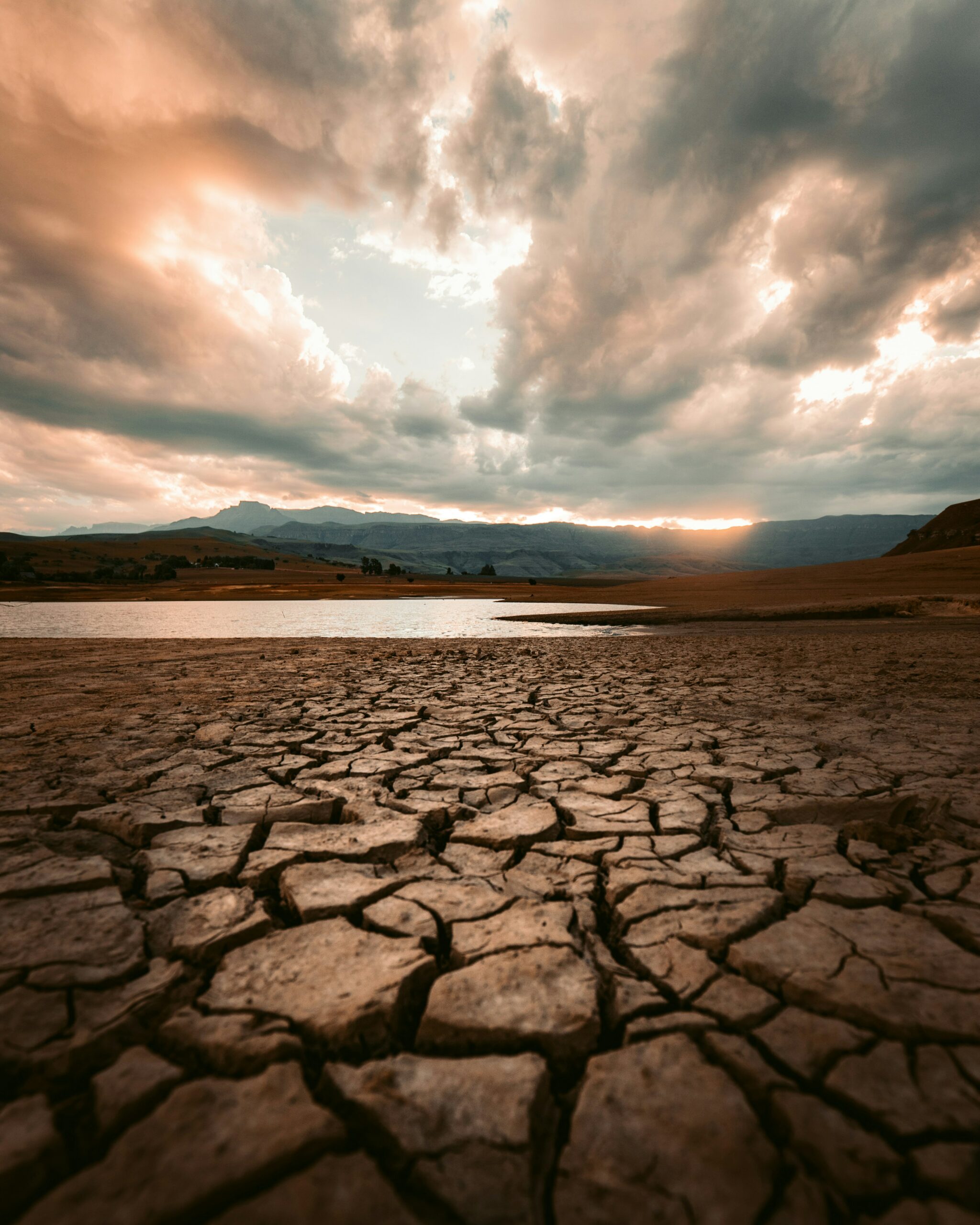
The phenomenon, often referred to as “hydroclimatic whiplash,” has upended traditional farming calendars. In East Africa, consecutive failed rainy seasons have turned fertile highlands into dust bowls. In South Asia, monsoon rains arrive with destructive intensity, flooding fields before they can be harvested. And across the breadbaskets of the United States and Europe, droughts are shrinking yields of staple crops like wheat and maize by double-digit percentages.
“We are no longer dealing with anomalies,” said Dr. Anika Patel, a climate resilience specialist at the International Food Policy Research Institute. “What we are seeing is a fundamental restructuring of the global climate system. Farmers are losing the ability to predict the seasons, and that uncertainty is the most dangerous variable of all.”
By the Numbers: A System Under Strain
The evidence is stark. According to the World Meteorological Organization, 2023 was the warmest year on record, and the pace of warming has accelerated. The United Nations Food and Agriculture Organization reports that nearly 735 million people faced chronic hunger in 2023, a rise of over 122 million since 2019. Meanwhile, the World Bank estimates that by 2050, climate-related crop failures could push an additional 80 million people into acute food insecurity.
Unpredictable weather does not merely reduce harvests—it disrupts entire supply chains. When a drought hits Brazil, soybean prices surge in China. When floods devastate Thailand’s rice paddies, grocery bills rise in Lagos and London alike. The interconnected nature of modern food systems means that a localized shock can cascade globally within weeks.
Human Cost: Stories from the Frontline
In the village of Nanyuki, central Kenya, farmer Margaret Nyambura has watched her two-acre plot shrink in productivity year after year. “We used to plant when the first long rains came in March,” she said. “Now the rains are a memory. I cannot feed my children from dust.” Her story echoes across the Sahel, the Mekong Delta, and the Andean highlands—places where subsistence farming is a lifeline, not a livelihood.
For those without access to irrigation, drought-resistant seeds, or crop insurance, the margin for error has vanished. In response, many are migrating to overcrowded cities or crossing borders, adding pressure to already fragile social and political systems.
The Road Ahead: Adaptation, Not Just Mitigation
There is no single solution, but experts are coalescing around a two-pronged approach: building resilience locally while reforming global trade mechanisms. This includes investments in early warning systems, drought-tolerant crop varieties, and soil conservation techniques. Countries like Ethiopia have already seen success with large-scale terracing and reforestation programs.
“We cannot stop the weather from changing overnight,” said Dr. Patel. “But we can stop waiting for change to come to us. That means empowering smallholder farmers, reforming subsidies, and treating food security as a national security issue.”
The coming years will test the world’s capacity to adapt. Without coordinated action—from local irrigation projects to global climate commitments—the silent shift in the sky will continue to redraw the map of hunger, with consequences that no border can contain.