Lede
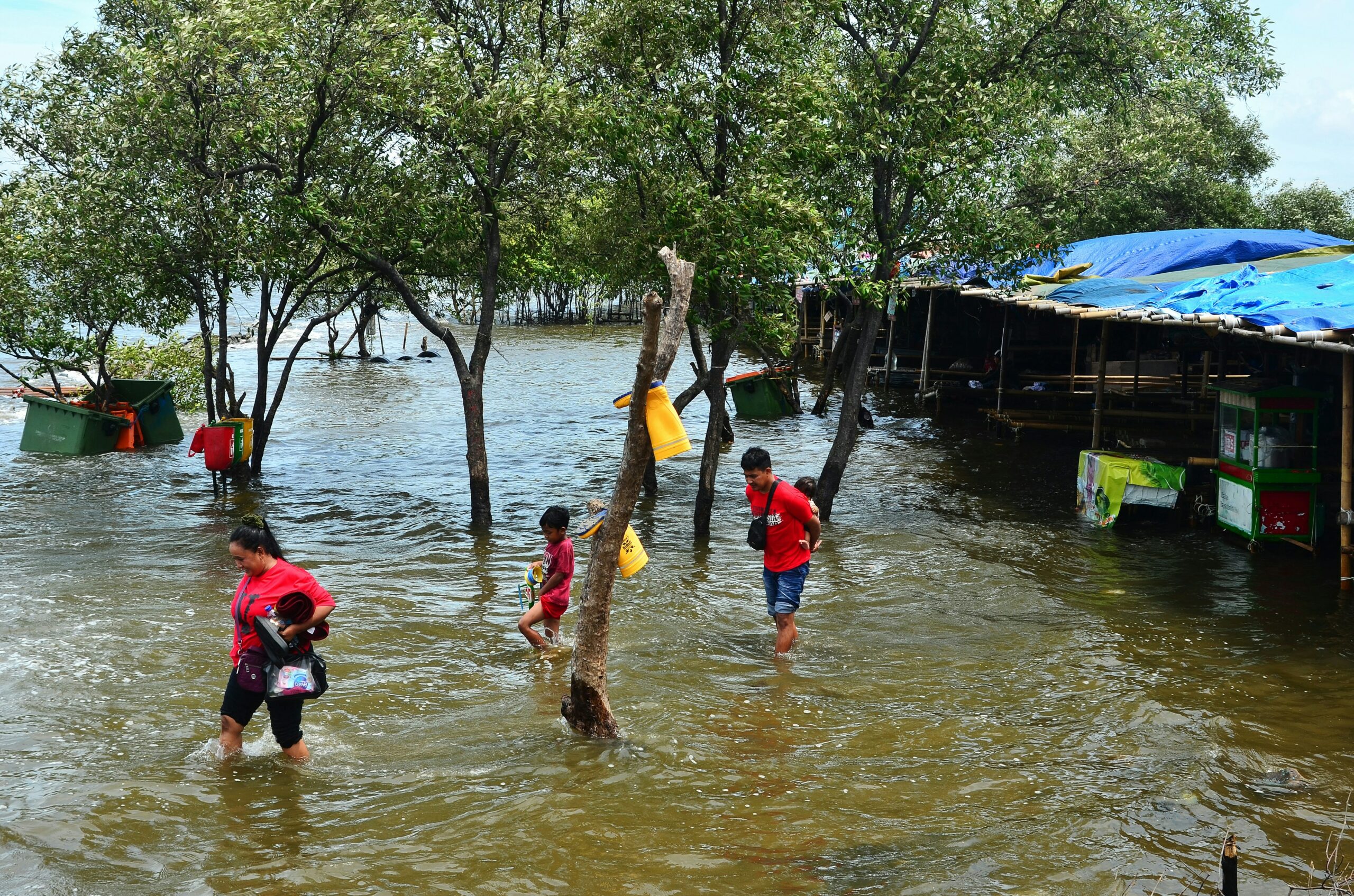
A relentless surge in global sea levels, driven by accelerating ice melt and ocean warming, is forcing coastal communities from Indonesia to Louisiana to confront a stark new reality: retreat, rebuild, or risk being swallowed. Scientists warn that even under optimistic emissions scenarios, millions of people will face chronic flooding and permanent inundation within decades, reshaping economies, borders, and human migration patterns.
The New Normal Under Water
Sea level rise is no longer a distant threat—it is a present-day crisis. According to the latest data from the National Oceanic and Atmospheric Administration (NOAA) , the global average sea level has risen about 10 inches (25 centimeters) since 1880, with nearly half of that increase occurring in the last 25 years. The pace is quickening. A 2024 study published in Nature Climate Change projects that coastal flooding events that once struck every century will now occur annually in many regions by 2050.
The primary drivers are twofold: thermal expansion—warmer ocean water occupies more volume—and the accelerated melting of land-based ice sheets in Greenland and Antarctica. Together, these forces are pushing water higher and farther inland, eating away at coastlines that have supported human settlements for centuries.
A Human Price Tag: Displacement and Despair
For those living on the front lines, the data translates into lost homes and lost livelihoods. In Jakarta, Indonesia, a sprawling metropolis of 10 million, parts of the city are sinking at a rate of 10 inches per year due to groundwater extraction, compounding sea level rise. The government has announced plans to relocate its capital to the island of Borneo—a drastic, costly acknowledgment that some cities cannot be saved.
In the United States, the Louisiana coast is disappearing at the rate of a football field every 100 minutes. The small community of Isle de Jean Charles has become a symbol of this crisis. Once home to a thriving Native American tribe, the island has lost 98% of its land since 1955. Many residents have accepted government buyouts and moved inland.
“We are climate refugees in our own country,” said Chief Albert Naquin, a tribal leader of the Biloxi-Chitimacha-Choctaw, in a recent interview. “It’s not about if we leave—it’s about how we leave with dignity.”
Economic Ripple Effects and Global Security
The economic toll is staggering. A 2023 report from the World Resources Institute found that flooding from sea level rise could cost coastal cities $1 trillion annually by 2050, threatening ports, airports, and critical infrastructure. Low-lying nations like Tuvalu and Maldives are already spending significant portions of their GDP on sea walls and land elevation projects.
Beyond economics, the threat carries geopolitical implications. The United Nations has warned that rising seas could drive hundreds of millions of people from their homes by the end of the century, potentially triggering conflicts over resources and borders. The term “climate migration” is increasingly used in defense and humanitarian planning circles, yet no binding international framework exists to protect those displaced.
What Can Be Done? Adaptation and Mitigation
Experts emphasize that while some sea level rise is now unavoidable, the worst outcomes can still be prevented—or managed. Key strategies include:
- Hard infrastructure: Building sea walls, storm surge barriers, and elevating roads. Cities like Rotterdam and Miami Beach are investing billions in such defenses.
- Nature-based solutions: Restoring mangroves, coral reefs, and wetlands, which can absorb wave energy and trap sediment, have proven effective and cost-efficient.
- Managed retreat: Relocating communities from high-risk zones in a planned, supported manner—a politically contentious but increasingly necessary option.
- Deep emissions cuts: The Intergovernmental Panel on Climate Change (IPCC) states that limiting global warming to 1.5°C could reduce the eventual sea level rise by 10 centimeters compared to a 2°C pathway, sparing low-lying areas from catastrophic flooding.
The Road Ahead
The world is now engaged in a race against time. Every fraction of a degree of warming matters, and every year of delay locks in higher seas. For coastal communities, the decisions made today—by governments, developers, and individuals—will determine whether tomorrow brings adaptation or abandonment.
As Chief Naquin put it simply: “The water doesn’t care about our politics. It just keeps rising.”