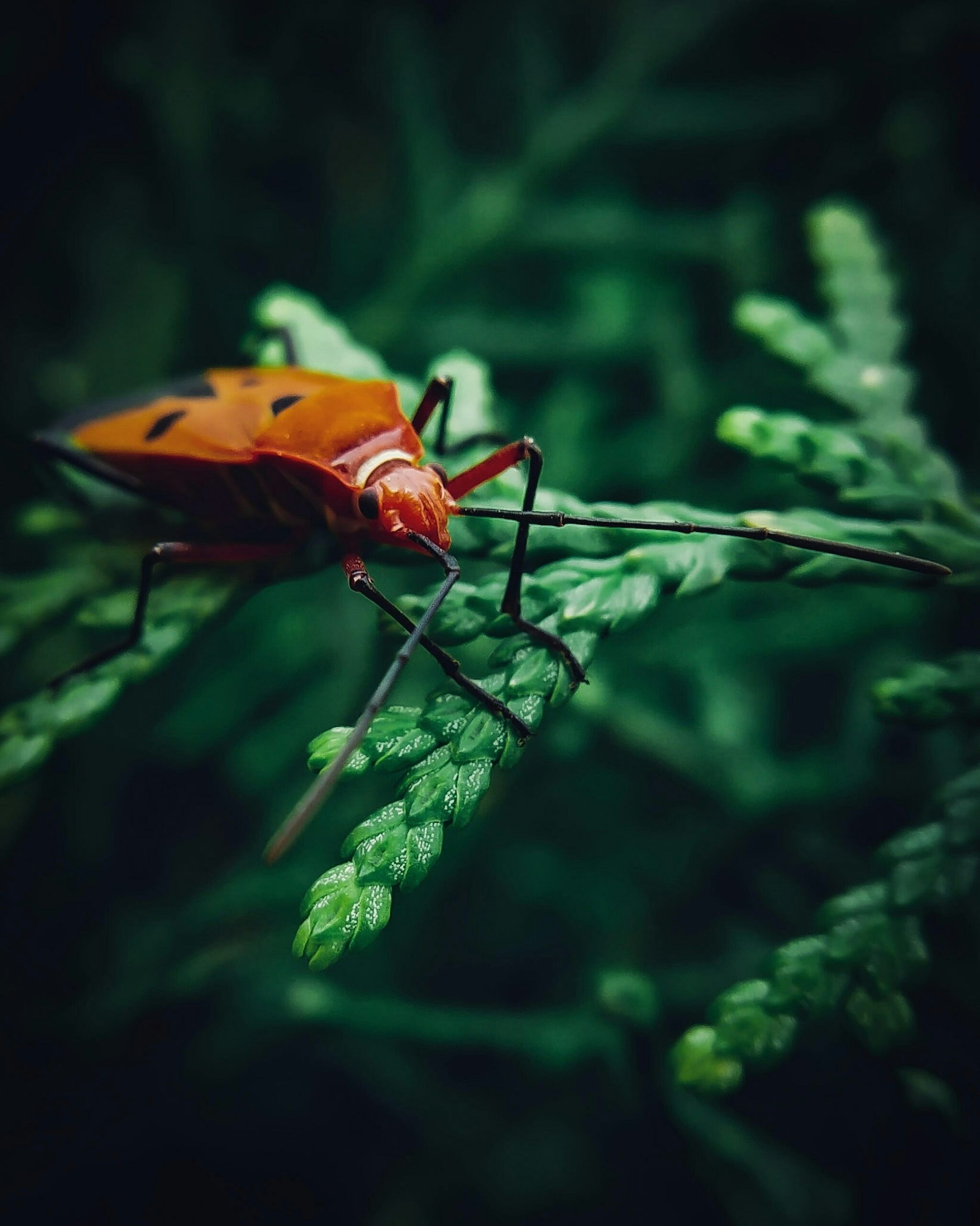
A sweeping new scientific analysis has confirmed a catastrophic decline in insect populations worldwide, with nearly half of all species now in steep decline and a third facing the threat of outright extinction. The landmark study, published this week in the journal Biological Conservation, synthesizes data from over 70 long-term insect monitoring reports across the globe, painting what researchers describe as the most comprehensive picture yet of an unfolding ecological crisis.
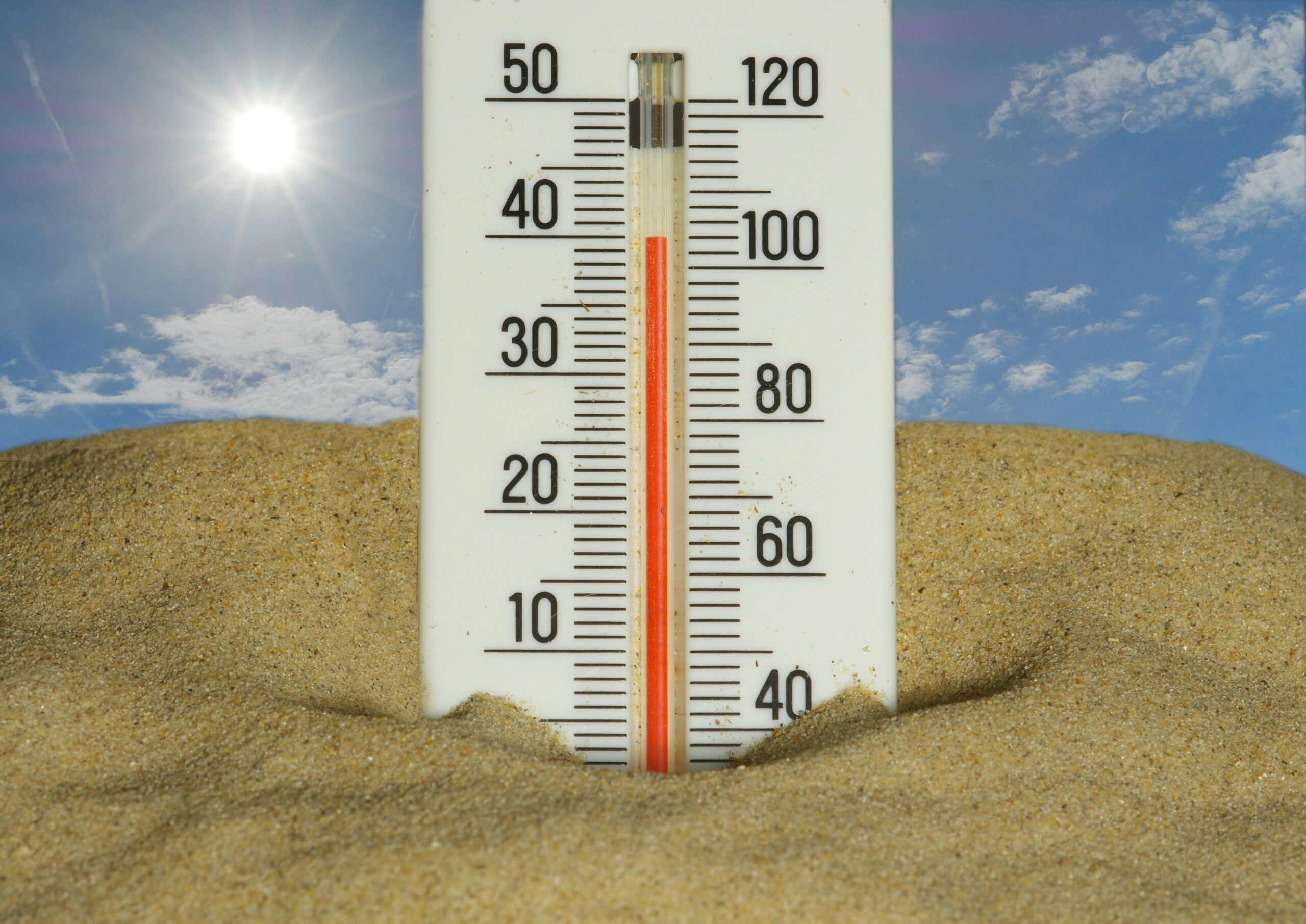
The findings are unequivocal: the total mass of insects on the planet is dropping by an estimated 2.5% each year. At this pace, scientists warn that insects could vanish entirely within a century. The primary drivers, the report concludes, are habitat loss driven by intensive agriculture and urbanization, followed closely by pesticide use, particularly neonicotinoids, and the accelerating impacts of climate change.
“The magnitude of this loss is staggering,” said Dr. Helena Ramirez, a lead author of the study and an entomologist at the University of Sydney. “We are witnessing the unraveling of the fabric of life. If we lose the insects, everything else collapses.”
The consequences for human civilization are profound and immediate. Insects are the invisible workhorses of terrestrial ecosystems. They pollinate roughly 75% of the world’s food crops, including coffee, chocolate, and almonds. They decompose waste, cycle nutrients through soil, and serve as the primary food source for countless birds, reptiles, and freshwater fish. The study calculates the annual economic value of insect pollination alone at over $235 billion globally.
A “Functional Extinction” Already Underway
The report introduces a troubling new metric: “functional extinction.” In heavily degraded areas—particularly in European and North American farmlands and tropical forests cleared for palm oil and soy—insect populations have fallen so low that they can no longer perform their essential ecological roles. In parts of Puerto Rico’s rainforest, for example, the biomass of arthropods (insects and spiders) has dropped by as much as 98% in 40 years, a decline linked directly to rising temperatures.
“You walk through these forests now and it’s eerily quiet,” noted Dr. Ramirez. “No buzzing, no scraping. The birds that feed on those insects are themselves disappearing. The silence is a warning siren.”
Economic and Human Cost
The ripple effects are already measurable. In the United States, beekeepers continue to report annual colony losses of roughly 30%, forcing almond growers in California to rely on migratory hives trucked in from across the country—a fragile and costly solution. In the UK, the Royal Society for the Protection of Birds recorded a 73% drop in insect-eating bird species over five decades.
Beyond agriculture, the loss of insects threatens to undermine natural water purification and carbon cycling, two services that underpin global climate stability.
What Can Be Done?
The study is not without a glimmer of hope. Researchers point to clear, actionable solutions that can reverse the decline at local and national levels.
- Reduce pesticide reliance: Transitioning to integrated pest management and banning the most harmful agricultural chemicals, particularly neonicotinoids.
- Protect and restore habitat: Establishing wildlife corridors, rewilding urban green spaces, and creating “insect highways” along road verges and field margins.
- Rethink lawns: Replacing monoculture grass lawns with native flowering plants provides critical forage for pollinators.
- Support regenerative agriculture: Farming practices that maintain soil health, reduce tillage, and plant cover crops help sustain diverse insect communities.
“This is a crisis we can solve,” said Dr. Mark Chen, a conservation biologist at Stanford University who was not involved in the study. “Insects are remarkably resilient if we give them a chance. But our window to act is closing fast.”
The report comes ahead of next month’s UN biodiversity summit in Montreal, where world leaders are expected to negotiate a new global framework to halt species loss. But for the butterfly, the bee, and the beetle, the countdown is already running.