Lede
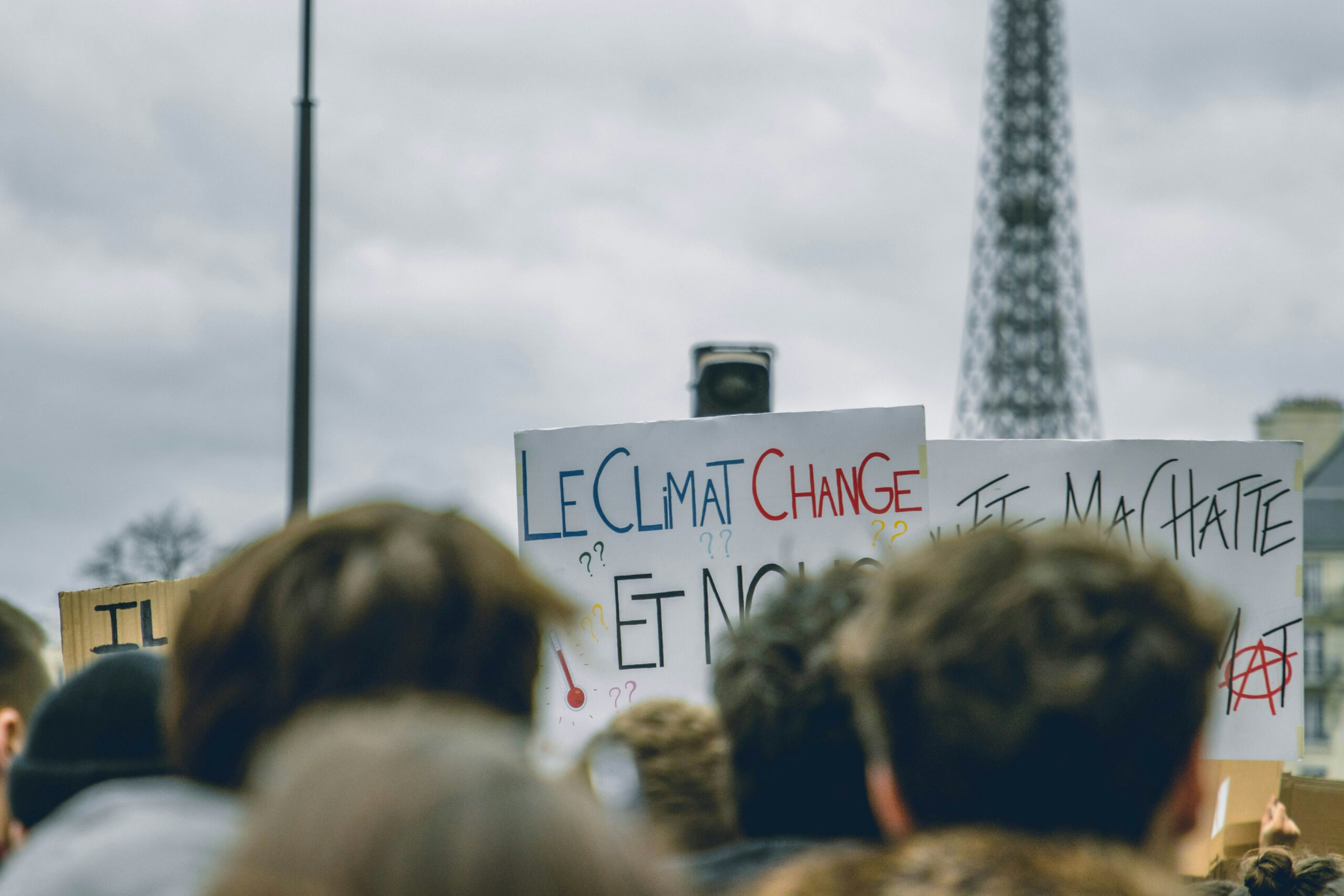
World leaders concluded a landmark two-day summit in Paris on Tuesday, pledging an additional $53 billion in combined public and private financing to accelerate the transition away from fossil fuels and bolster adaptation programs in countries most susceptible to climate change. The commitments, announced during the Climate Finance Summit, aim to close the widening gap between promised funds and the actual costs of decarbonization and disaster resilience, with a particular focus on African nations and small island developing states.
A Fractured Promise Meets a Fresh Deadline
The agreement comes as a direct response to the failure of developed countries to meet their 2009 pledge of mobilizing $100 billion annually by 2020—a target finally expected to be reached this year. The new framework, dubbed the “Paris Acceleration Pact,” establishes a two-tiered approach: $23 billion in direct government grants and concessional loans for adaptation projects, and $30 billion leveraged from multilateral development banks, sovereign wealth funds, and private investors for large-scale renewable energy infrastructure.
“We are out of time for excuses,” said French President Emmanuel Macron in his closing address. “This is not charity; it is a collective survival contract. Every dollar not spent today is a dollar stolen from the future of our children.”
Where the Money Is Going
The funds are earmarked for three critical areas:
- Renewable Energy Access: $20 billion will support the construction of solar micro-grids and wind farms across Sub-Saharan Africa, aiming to bring electricity to 300 million people currently living off-grid.
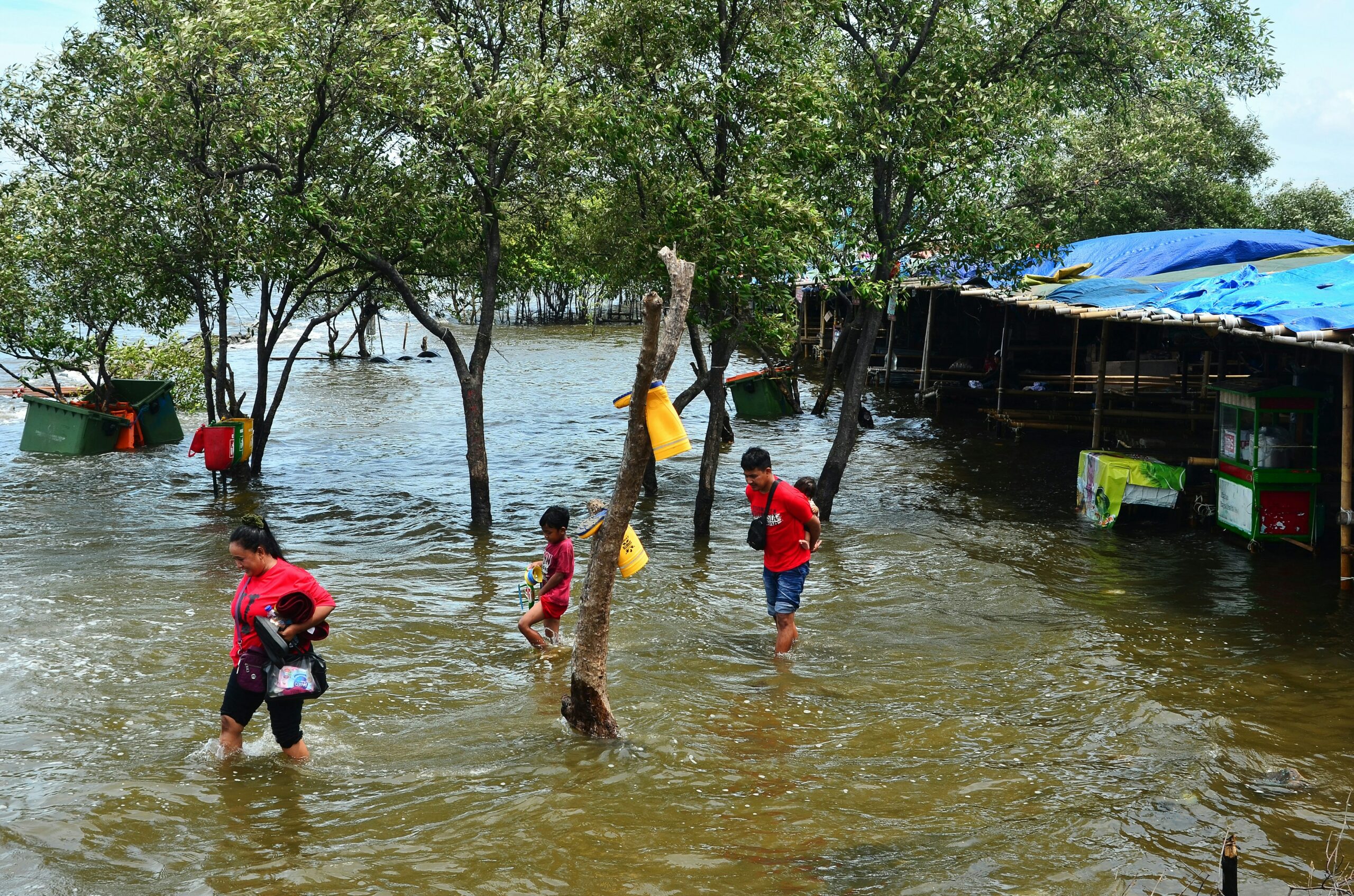
- Adaptation and Resilience: $18 billion is allocated for coastal defenses, drought-resistant agriculture, and early-warning systems in nations like Bangladesh, Vietnam, and Pacific island states.
- Green Technology Transfer: $15 billion will subsidize the purchase of energy-efficient equipment and battery storage for developing economies, with a target of reducing industrial carbon intensity by 30% by 2030.
Expert Voice on Accountability
However, analysts caution that pledges alone are insufficient without robust auditing mechanisms. “The gap isn’t just financial—it’s a trust deficit,” said Dr. Lina Mendez, a climate finance researcher at the Overseas Development Institute. “We’ve seen billions announced at summits before, only for the money to be reclassified as other aid or disappear into bureaucratic pipelines. The crucial test will be whether these funds are additional, not repackaged.”
Human Cost Drives Urgency
The summit was punctuated by testimony from representatives of frontline communities. Ayesha Kahia, a farmer from Kenya’s semi-arid Makueni County, described how consecutive droughts have wiped out 80% of her livestock over the past five years. “Our adaptation is not a graph line,” she told delegates. “It is digging deeper wells with our bare hands. We do not need promises; we need pumps.”
Her story underscores a stark reality: climate-related disasters have displaced more than 30 million people annually over the last decade, according to the Internal Displacement Monitoring Centre. Without rapid financing, those numbers are projected to double by 2050.
Next Steps and Watch Points
Implementation begins in June, with a four-nation oversight board comprising France, Kenya, Indonesia, and Barbados tasked with tracking disbursements. The success of the Paris Acceleration Pact will hinge on three measurable outcomes by 2025: a 20% reduction in the cost of solar energy across recipient countries, the completion of 50 coastal protection projects in Southeast Asia, and the first audited public report of all financial flows.
Broader Context
This summit sets the stage for the United Nations Climate Change Conference (COP29) in Baku later this year, where the definition of “climate finance” itself—whether it should include loans versus grants, and who should pay—remains a major point of contention. For now, the $53 billion commitment represents a tentative step toward turning political rhetoric into tangible, ground-level resilience.