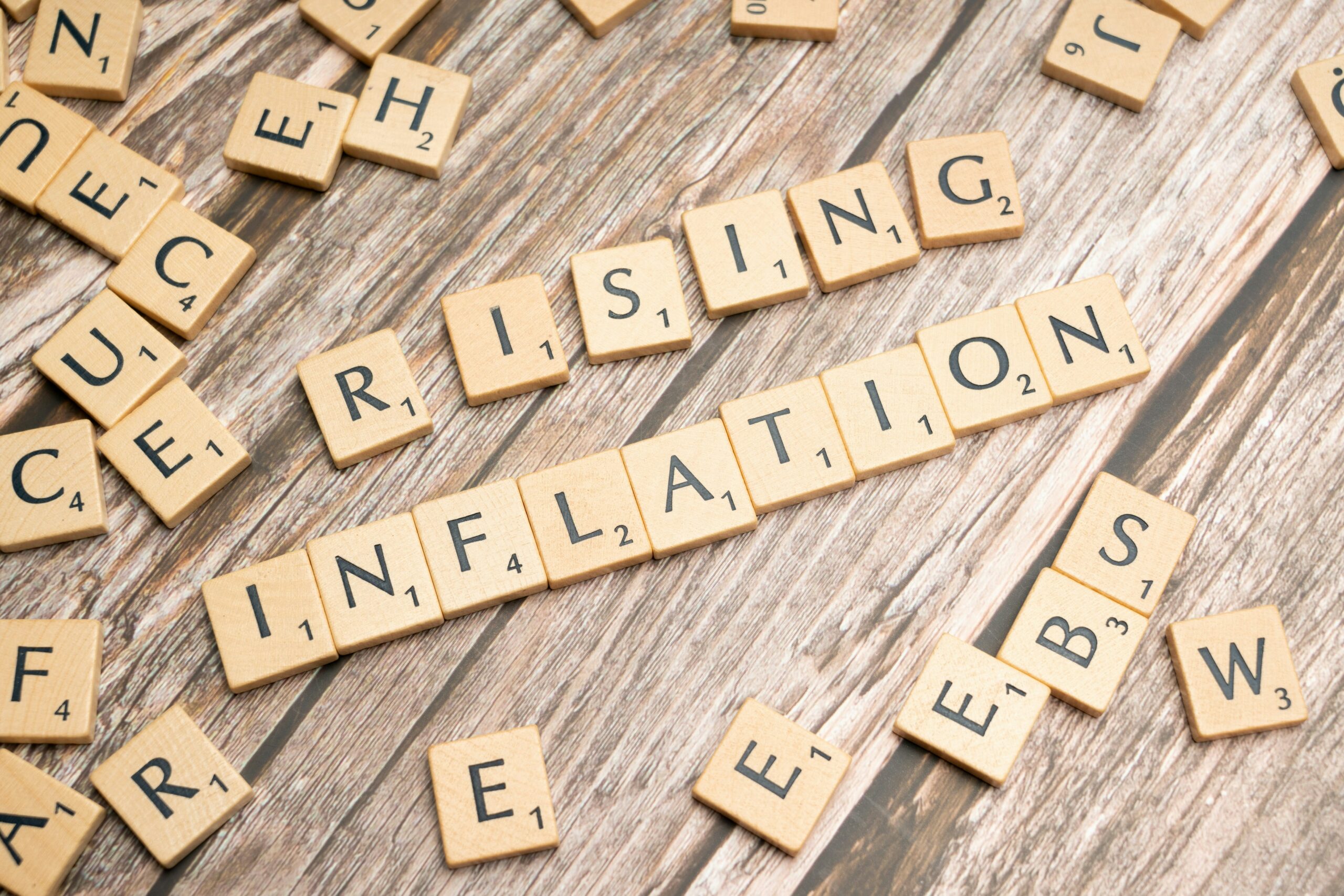
London, UK – For millions of households already stretched by rising costs, a stark new reality is setting in: the price of everything from a loaf of bread to a monthly mortgage payment is climbing faster than wages, and the institutions charged with taming this beast are beginning to admit they may have underestimated its strength.
Central banks on both sides of the Atlantic, including the U.S. Federal Reserve and the European Central Bank (ECB), are now signaling a more cautious approach to interest rate cuts after months of data showed inflation proving stickier than anticipated. The shift comes as a blow to consumers and businesses who had hoped for financial relief by mid-year.
Why Prices Keep Climbing
At the heart of the problem is a combination of resilient consumer demand, stubbornly high energy costs, and lingering supply-chain disruptions. While global inflation has fallen sharply from its 2022 peaks—when it topped 9% in the eurozone and 9.1% in the U.S.—the final stretch back to the 2% target is proving the most difficult.
Recent data from the U.S. Bureau of Labor Statistics showed core inflation, which strips out volatile food and energy prices, still running at 3.9% annually. The service sector, particularly rents and medical care, continues to push prices upward. In the United Kingdom, the picture is similar: the Office for National Statistics reported that food inflation, while easing, remains historically high at over 5%, and energy bills are set to rise again in April.
“We are seeing a classic case of the last mile being the hardest,” said Dr. Elara Hoffmann, a macroeconomist at the London School of Economics. “Base effects have worn off. Now, we are dealing with structurally embedded price pressures, especially in housing and labor.”
The Human Toll
For families, the impact is immediate and visceral. Sarah Mitchell, a 34-year-old teacher from Manchester, says her grocery bill has jumped by nearly £60 a month since last autumn, forcing her to cut back on fresh produce and meat.
“I’m shopping at three different stores just to find the cheapest options. My kids asked why they can’t have strawberries anymore,” Mitchell told BBC News. “You feel like you’re failing, even though you know it’s not your fault.”
Her story echoes across the developed world. In the U.S., the Pew Research Center found that 67% of Americans now describe the economy as “poor” or “not good,” with inflation cited as the top concern.
Central Banks Caught in a Bind
Policymakers now face a delicate balancing act. Cutting rates too early could reignite inflation, while holding them high for too long risks tipping economies into recession. The Federal Reserve has held its benchmark rate steady at 5.25%-5.5% since July, and Fed Chair Jerome Powell recently told Congress that “the path forward is uncertain” and that the bank is “not yet confident” that inflation is sustainably headed downward.
In Europe, the ECB held rates at 4% in March, resisting market calls for a cut. ECB President Christine Lagarde warned that wage growth, particularly in Germany and France, could keep services inflation elevated for the rest of the year.
What Comes Next
Economists now forecast that the first rate cuts in the U.S. may not come until late summer at the earliest, and possibly not until 2025. For borrowers, that means mortgage rates—currently hovering around 7% in the U.S. and 5.5% in the UK—will remain elevated, cooling the housing market but squeezing homeowners.
For consumers, experts offer a few practical steps: lock in fixed-rate energy tariffs where available, prioritize paying down high-interest debt, and bulk-buy non-perishable goods during promotions. The key, says Hoffmann, is patience.
“We are in a tug-of-war between declining goods inflation and rising services inflation,” she said. “The pain is real, but the alternative—unchecked price increases—would be far worse in the long run.”
As central banks navigate this tightrope, millions of households are left to do what they have done for two years: adapt, budget, and hope that the economic summer arrives sooner rather than later.