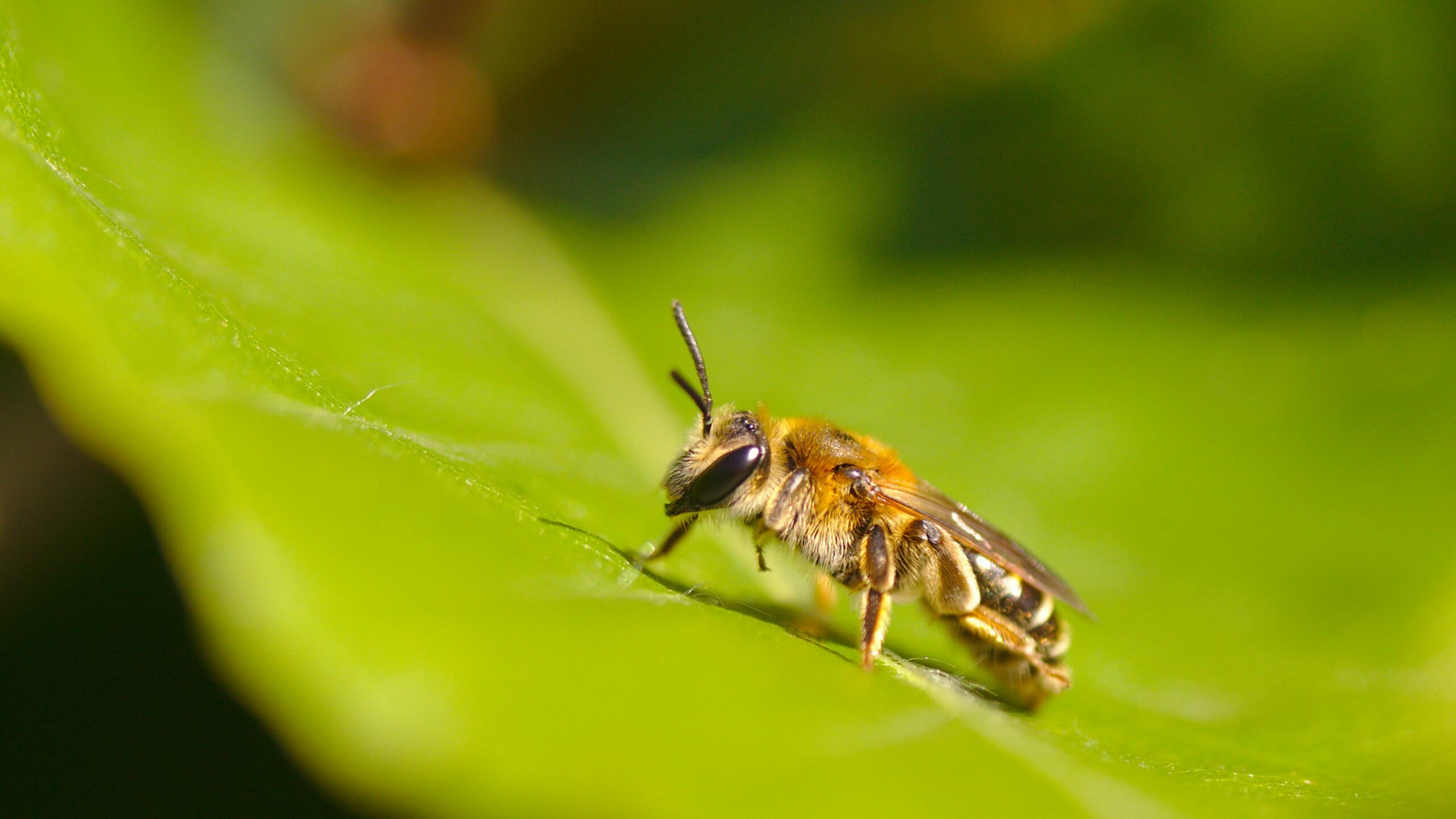
An unprecedented scientific review has found that nearly half of all insect species worldwide are in decline, with a third facing the risk of extinction, a trend experts warn could trigger a catastrophic collapse of the natural systems that sustain human life. The comprehensive analysis, published Monday in the journal Biological Conservation, synthesizes 73 historical reports on insect declines from across the globe, painting the most detailed picture yet of an often-overlooked crisis.
The research, led by Dr. Francisco Sánchez-Bayo of the University of Sydney and Dr. Kris Wyckhuys of the University of Queensland, indicates that the total mass of insects is falling by an estimated 2.5% per year. If the current trajectory continues, the planet could see insect populations cut in half within the next 50 to 100 years.
“We are witnessing the largest extinction event since the end of the dinosaurs,” said Dr. Sánchez-Bayo in an interview. “If we lose the insects, everything else will collapse.”
The Drivers of Collapse
The study identifies intensive agriculture as the primary culprit, specifically the overuse of synthetic pesticides and fertilizers. Neonicotinoids, a class of insecticides, were singled out as especially devastating, attacking insects’ central nervous systems and wiping out non-target species like bees and butterflies.
Urbanization, climate change, and the introduction of invasive species compound the problem. Butterflies, moths, bees, and dung beetles are among the hardest-hit groups. Dragonflies and aquatic insects, however, show some resilience due to their ability to recolonize freshwater habitats.
Why Insects Matter
Insects form the foundation of terrestrial and freshwater food webs. They pollinate roughly 75% of global food crops, including coffee, cocoa, and almonds. They decompose organic waste, recycle nutrients into soil, control pest populations naturally, and serve as a primary food source for birds, amphibians, and fish.
“People often think of insects as pests, but they are the little things that run the world,” said Dr. Wyckhuys. “Their disappearance would mean empty grocery shelves, silent forests, and a rapid decline in bird populations.”
The economic cost is immense. A separate report from the Intergovernmental Science-Policy Platform on Biodiversity and Ecosystem Services (IPBES) estimates that pollinator loss alone threatens up to $577 billion in annual global crop value.
Regional and Species Variation
The decline is not uniform. Tropical regions, where insect biodiversity is highest, are experiencing the most severe losses. In Europe, data shows a 76% decline in flying insect biomass over 27 years, as measured by German nature reserves. In Puerto Rico, canopy insect biomass has fallen up to 98% since the 1970s.
Freshwater insects—such as mayflies, stoneflies, and caddisflies—have declined by nearly 40% in North America and Europe, largely due to agricultural runoff. Conversely, some pest species, like the cotton bollworm, are actually increasing in warmer climates, creating new challenges for food security.
A Call for Transformative Change
The study’s authors argue that piecemeal conservation efforts are insufficient. They call for a fundamental overhaul of global agricultural practices:
- Phasing out synthetic pesticides and replacing them with integrated pest management.
- Restoring hedgerows, wildflower strips, and buffer zones around farmland.
- Reducing fertilizer runoff by promoting precision agriculture.
- Protecting and connecting natural habitats to allow species migration in response to climate change.
“Insects can recover quickly if we give them a chance,” said Dr. Sánchez-Bayo. “But we need to act now, with the same urgency we apply to climate change.”
Next Steps for Policymakers and the Public
The findings arrive ahead of next month’s UN Biodiversity Conference in Montreal, where nations are expected to finalize a global framework to halt nature loss by 2030. Several countries, including Germany and France, have already begun banning certain neonicotinoids and investing in insect-friendly farming subsidies.
For individuals, actions like planting native gardens, reducing lawn pesticide use, and supporting organic agriculture can make a measurable difference. Citizen science initiatives, such as the UK’s Big Butterfly Count, also help researchers track changes.
“This is not just about saving bees,” concluded Dr. Wyckhuys. “This is about preserving the system that produces the air we breathe, the water we drink, and the food we eat.”