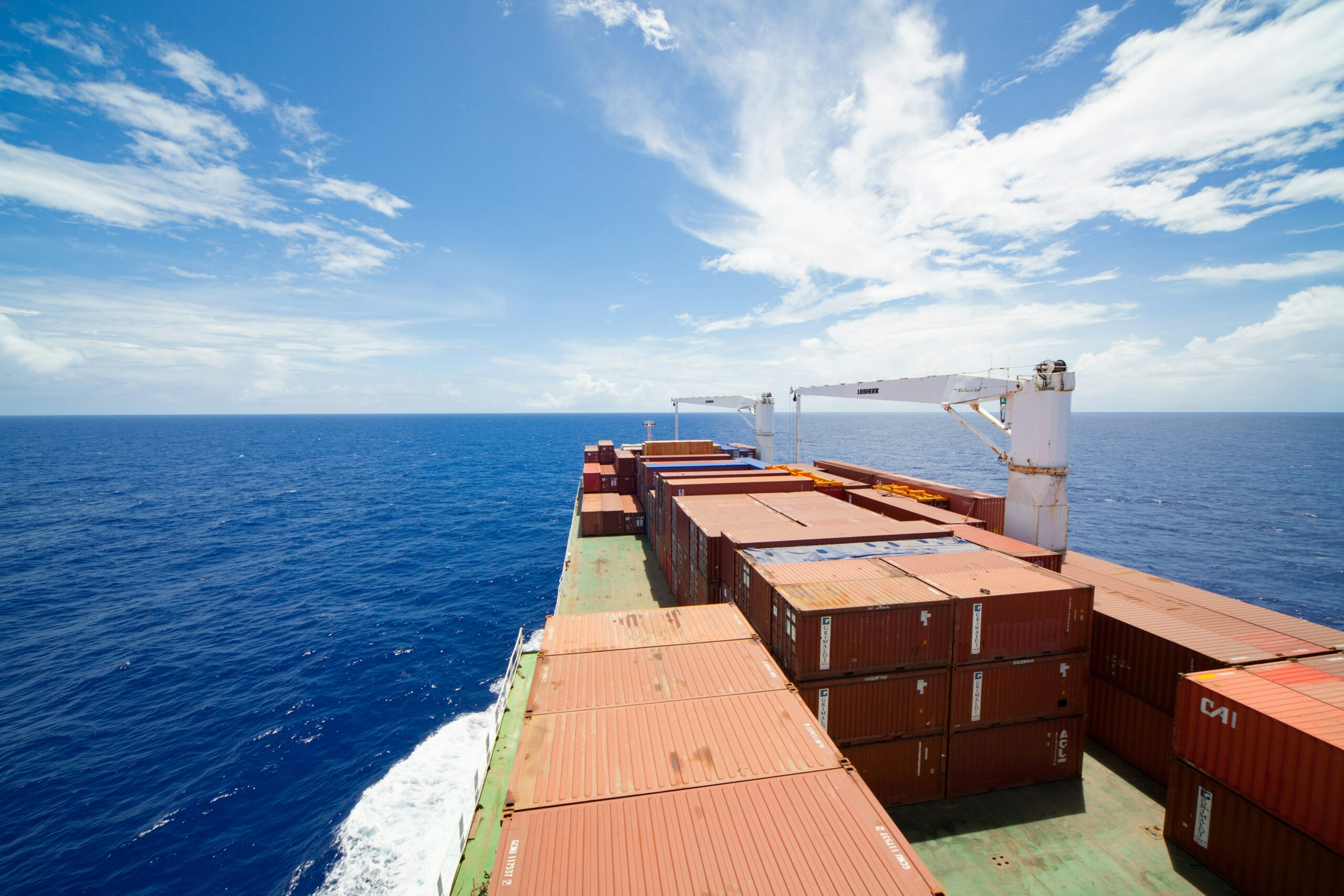
LONDON, England – Major disruptions are challenging the stability of global maritime trade, leading to a noticeable reduction in shipping volumes worldwide this year. Analysts attribute the current slowdown to a confluence of factors, primarily weakened consumer demand stemming from persistent inflation, ongoing geopolitical tensions, and structural shifts in manufacturing supply chains. While some sectors show resilience, the overall movement of containerised goods—a key indicator of economic health—has dipped, forcing major logistics companies to adjust capacity and future projections.
The backbone of international commerce, the shipping industry, is experiencing a notable deceleration following two years of exceptional volatility related to the pandemic. During 2020 and 2021, severe bottlenecks and surging demand pushed freight prices to record highs. However, the economic landscape has fundamentally shifted. Central banks globally have aggressively raised interest rates to combat soaring inflation, significantly cooling off consumer spending on durable goods, which are typically transported via sea.
Inflation and Inventory Pressure Dampen Demand
A significant driver of the current slump is the high inventory levels accumulated by retailers and wholesalers during the post-pandemic supply chaos. Seeking to avoid shortages, many companies over-ordered, and they are now focused on selling off existing stock rather than placing new orders with manufacturers in Asia. This inventory overhang has directly translated into fewer vessels sailing full.
According to recent data from leading indices, the volume of container throughput in major East-West trade lanes has contracted by several percentage points compared to the same period last year. This contraction is evident in the reduced utilisation rates reported by major carriers.
“What we are seeing is a necessary correction after an unsustainable boom,” explained Dr. Evelyn Chen, a maritime economist based in Singapore. “The high cost of living is forcing households to prioritise essential services over discretionary purchases. This directly impacts the demand for goods manufactured overseas, creating a ripple effect across ports and logistics networks.”
Geopolitical Uncertainty Adds Complexity
Beyond purely economic concerns, geopolitical risks are complicating recovery. Trade disputes, sanctions, and localised conflicts add layers of unpredictability to established routes. Furthermore, many corporations are subtly beginning to diversify their manufacturing beyond single-country hubs, embracing “friend-shoring” or “near-shoring” strategies. While these moves enhance resilience in the long term, they create immediate friction and adjustments in traditional, high-volume shipping corridors.
For consumers, the slowdown is unlikely to translate into immediate price reductions for imported goods, as labor, energy, and regulatory costs remain elevated. For the logistics sector, however, consolidation and operational efficiency are becoming paramount. Major carriers are reportedly cancelling some sailings—often termed ‘blank sailings’—to better match reduced capacity with actual demand, thereby preventing a steep fall in freight rates.
Future Outlook and Next Steps
The consensus among industry analysts suggests that the current weak environment is likely to persist through the end of the year, with potential moderate recovery slated for the beginning of the next fiscal cycle. This hinges heavily on inflation subsiding and consumer confidence returning.
To navigate this challenging period, the shipping industry is focused on areas beyond volume:
- Decarbonisation Efforts: Carriers continue to invest heavily in low-emission fuels and efficient ship designs, positioning themselves for future regulatory changes.
- Digital Integration: Enhancing tracking and supply chain visibility remains a priority to improve efficiency and reduce waste in slow-moving inventories.
- Diversification: Expanding into non-containerised shipping or logistics services is providing a necessary buffer for some firms.
The current slackening in global shipping serves as a potent barometer of worldwide economic anxieties. As trade volumes contract, the world is reminded that the health of the maritime system is intrinsically tied to the spending power and confidence of consumers, underscoring the delicate balance required for sustained global prosperity.