Negotiators from 175 nations ended a pivotal session of talks in Ottawa this week without finalizing a draft text for the first global treaty on plastic pollution, exposing deep ideological rifts over whether the pact should curb the manufacturing of new plastics or merely focus on managing waste.
The fourth session of the Intergovernmental Negotiating Committee (INC-4) was widely regarded as a make-or-break opportunity to translate political ambition into concrete legal language ahead of a deadline at the end of the year. However, fundamental disagreements on the core scope of the treaty prevented consensus.
The Central Fault Line: Upstream vs. Downstream
The primary obstacle centers on whether the treaty should include binding global targets to reduce the production of virgin plastic polymers. A bloc of nations known as the High Ambition Coalition, led by Rwanda and Norway and supported by many small island developing states, insists that the crisis cannot be solved without limiting how much new plastic is made.
“To ignore production is to treat the symptom while ignoring the disease,” said Dr. Anya Rostova, a senior policy fellow at the UN Environment Programme. “The science is clear: plastic pollution is a systemic issue that begins at the extraction of fossil fuels.”
Opposing this view is a coalition of major petrochemical-producing countries, who argue that the treaty should prioritize “downstream” interventions. These nations advocate for improved waste collection, recycling infrastructure, and product design standards while resisting any text that could be seen as restricting industrial output.
Human Cost and Lobbying Pressure
Outside the negotiation halls, activists highlighted the human toll of the plastics crisis. Communities living near petrochemical plants in Louisiana and the Niger Delta reported increased rates of cancer and respiratory illness, linking local pollution to global production demands.
The oil and gas industry, which views plastics as a crucial lifeline amid the energy transition, has heavily lobbied against production caps. Analysis from the Center for International Environmental Law suggests that without significant upstream intervention, plastic production is on track to triple by 2060. This trajectory, if left unchecked, could consume a disproportionate share of the remaining global carbon budget.
The State of the Draft Text
The current working document is notoriously riddled with “bracketed text”—hundreds of unresolved clauses that indicate a lack of agreement on key articles. Negotiators failed to resolve critical definitions of what constitutes “plastic pollution” or how a proposed global fund for implementation would be financed.
Developing nations emphasized that they cannot commit to stringent waste management targets without clear promises of financial and technological support from wealthier industrialized states.
What Comes Next
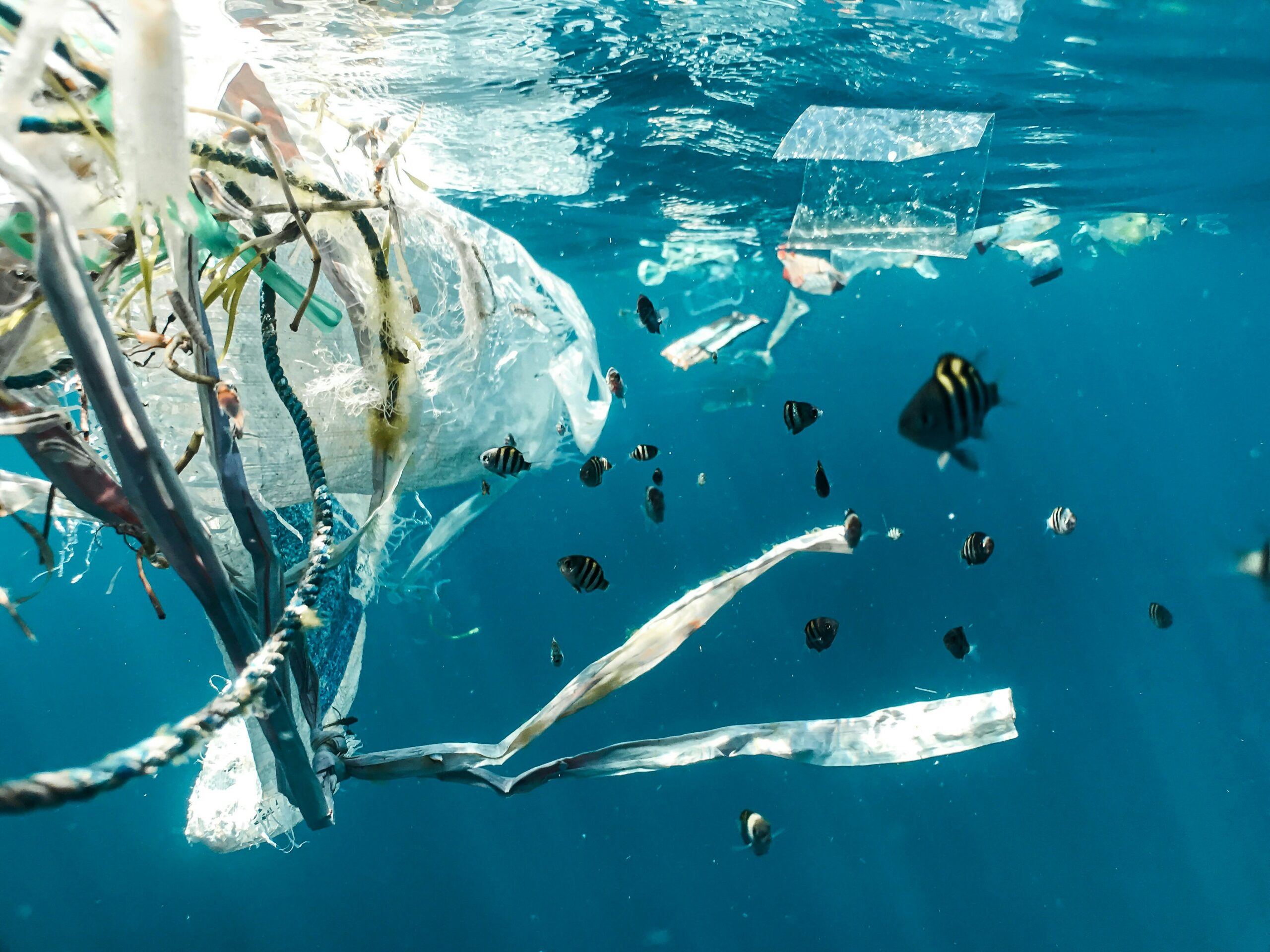
The INC is scheduled to hold its fifth and final session in Busan, South Korea, in November. The window for securing a robust, legally binding treaty is rapidly closing. Experts warn that failure in Busan could result in a watered-down agreement that relies solely on voluntary national action plans—a framework widely criticized as insufficient to tackle a crisis that sees millions of tonnes of plastic entering the ocean every year.
“The world is watching,” said environmental lawyer and treaty observer Fatima Singh. “If we cannot agree on a strong treaty here, it will be a monumental failure of multilateral governance.”
Broader Implications
A weak treaty would not only threaten marine and human health but could also fundamentally erode public trust in the UN’s ability to address global environmental breakdown. The outcome of these negotiations will set a precedent for how the international community handles the intertwined crises of climate change, chemical pollution, and biodiversity loss.