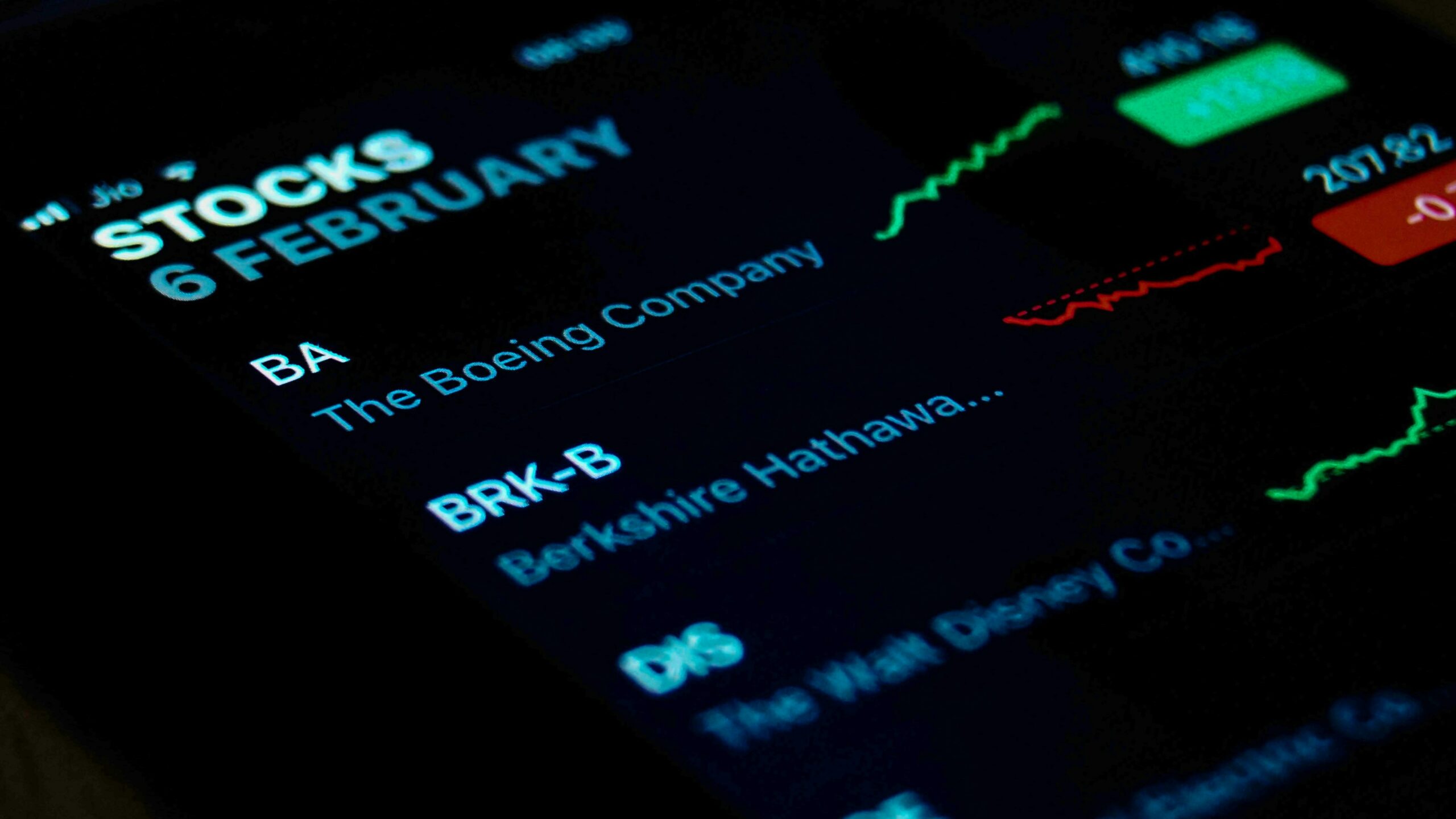
Investors worldwide entered a panic sell-off on Wednesday after a confluence of disappointing economic data, renewed inflation fears, and rising geopolitical tensions erased trillions of dollars in market value. The sell-off, which began on Wall Street and quickly spread to Asia and Europe, marks the sharpest one-day decline in equities since the early weeks of the pandemic.
What Triggered the Sudden Rout?
The turmoil began shortly after the U.S. Federal Reserve released its latest Beige Book report, which painted a stark picture of a slowing American economy. Consumer spending, typically the engine of growth, has plateaued, while manufacturers reported declining orders for the third consecutive month. Simultaneously, the European Central Bank warned that core inflation—stripping out volatile food and energy prices—remains stubbornly high, complicating any path toward interest rate cuts.
“What we are seeing is a ‘triple shock’ scenario,” said Dr. Elena Vasquez, chief economist at the Global Policy Institute in London. “Investors are simultaneously pricing in a slowing economy, persistent price pressures, and a breakdown in the supply of credit. That combination is historically toxic for markets.”
The Numbers Behind the Panic
In New York, the Dow Jones Industrial Average plunged over 870 points, or roughly 2.3%, before recovering slightly into the close. The broader S&P 500 fell 2.8%, while the tech-heavy Nasdaq Composite dropped 3.4%, driven by steep losses in major semiconductor and cloud computing firms. In Tokyo, the Nikkei 225 shed 4.1%, its worst session in six months. European bourses fared little better, with the German DAX and French CAC 40 both falling more than 2.5%.
Trading volumes surged to nearly double their 30-day average, a clear sign of institutional investors rushing to shed risk. The VIX, commonly known as Wall Street’s “fear gauge,” spiked above 35, a level historically associated with severe market stress.
Human Cost of Market Instability
Beyond the headlines of billion-dollar losses, the ripple effects are already being felt by ordinary households. In Manchester, England, retiree Susan Holloway watched her pension savings shrink by nearly £15,000 in a single day. “I’d just started to feel secure again after the cost-of-living crisis,” she said. “Now I’m wondering if I’ll have to delay retirement another year.”
Small business owners are also bracing for impact. Rising borrowing costs and tighter lending standards—already a problem after last year’s regional banking crisis—could squeeze access to crucial working capital. “We were planning to expand and hire two more people,” said Miguel Torres, who runs a family furniture shop in Tampa, Florida. “Now we’re putting everything on hold until we see where interest rates are heading.”
What Comes Next?
Analysts are divided on whether Wednesday’s sell-off marks a healthy correction or the beginning of a deeper downturn. Some point to resilient corporate earnings and a still-tight labor market as reasons for cautious optimism. Others warn that central banks may have kept monetary policy too restrictive for too long.
“The Fed is caught between a rock and a hard place,” noted Dr. Vasquez. “If they cut rates too soon, they risk re-igniting inflation. If they hold steady, they risk breaking the economy. The next two months of data will be critical.”
Key Takeaways for Investors
- Diversify: Avoid over-concentration in any single sector, particularly technology and consumer discretionary.
- Cash on hand: Maintaining liquidity can help weather further volatility and take advantage of buying opportunities.
- Stay disciplined: Historically, trying to time the market during panic sell-offs leads to poorer long-term returns than holding a balanced portfolio.
As trading resumes across Asia on Thursday morning, all eyes will be on the Bank of Japan’s next policy statement and upcoming U.S. jobs data, both of which could either soothe frayed nerves or ignite another wave of selling. For now, the global economy remains firmly in a holding pattern—one that investors hope will break without breaking their portfolios.