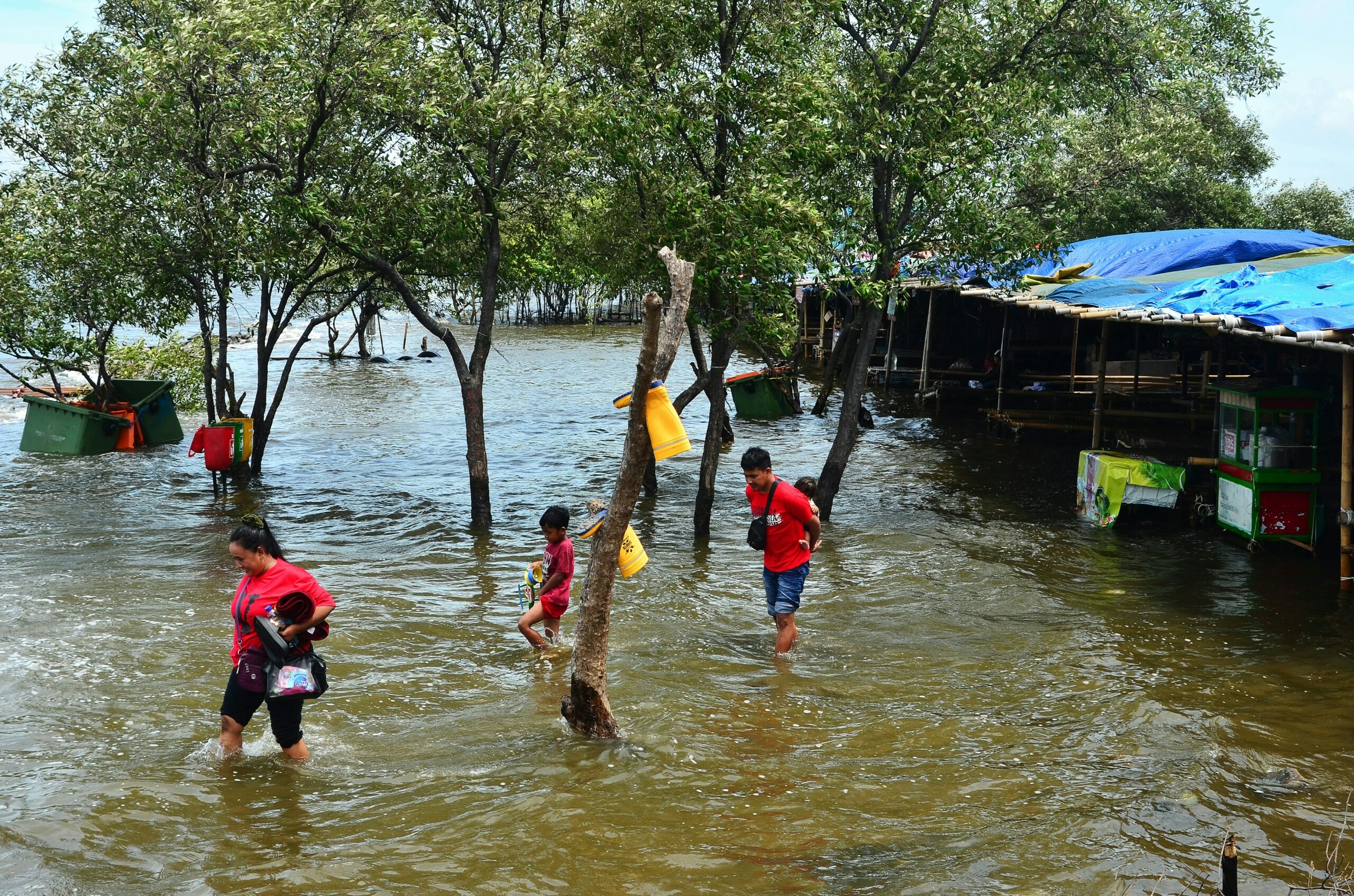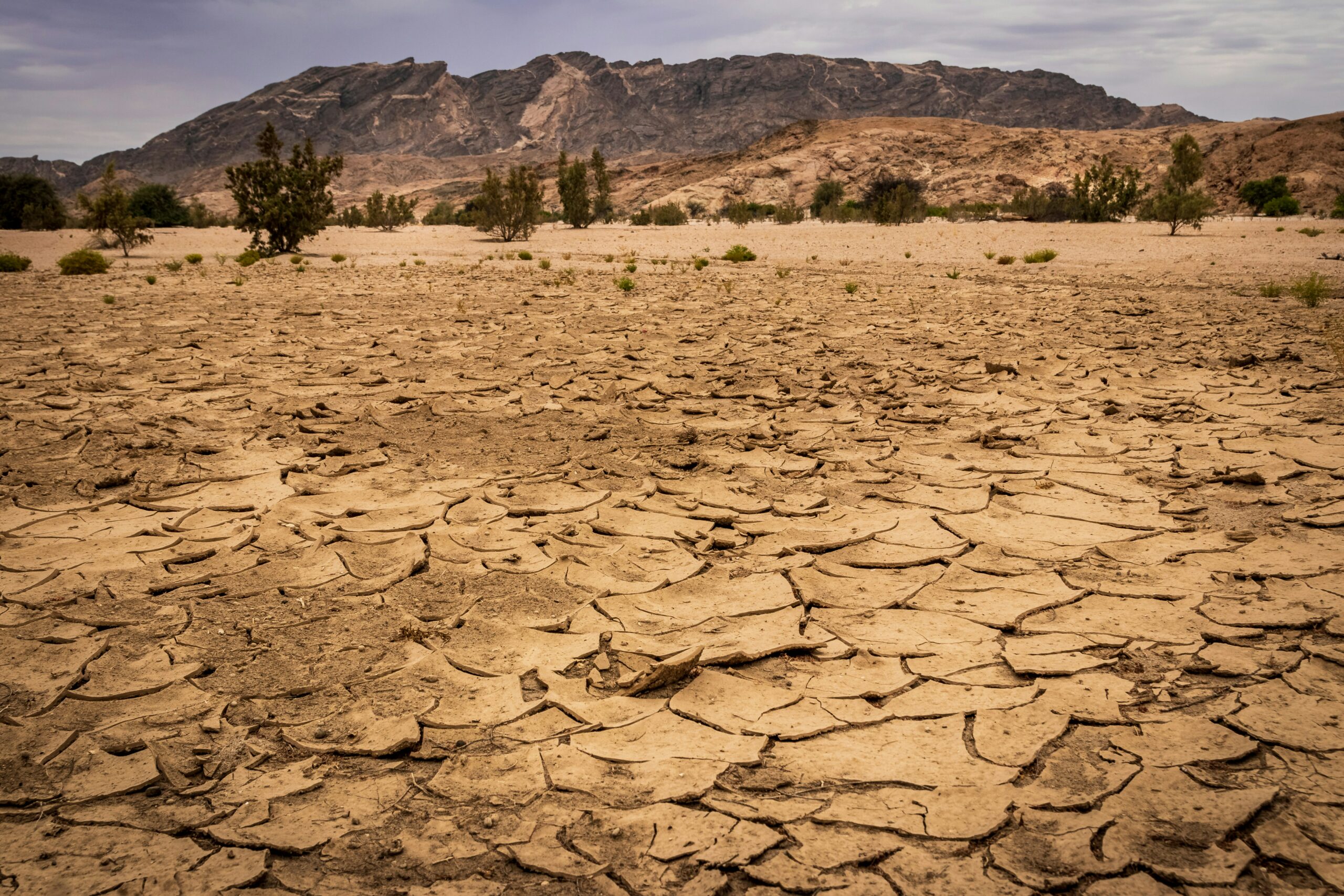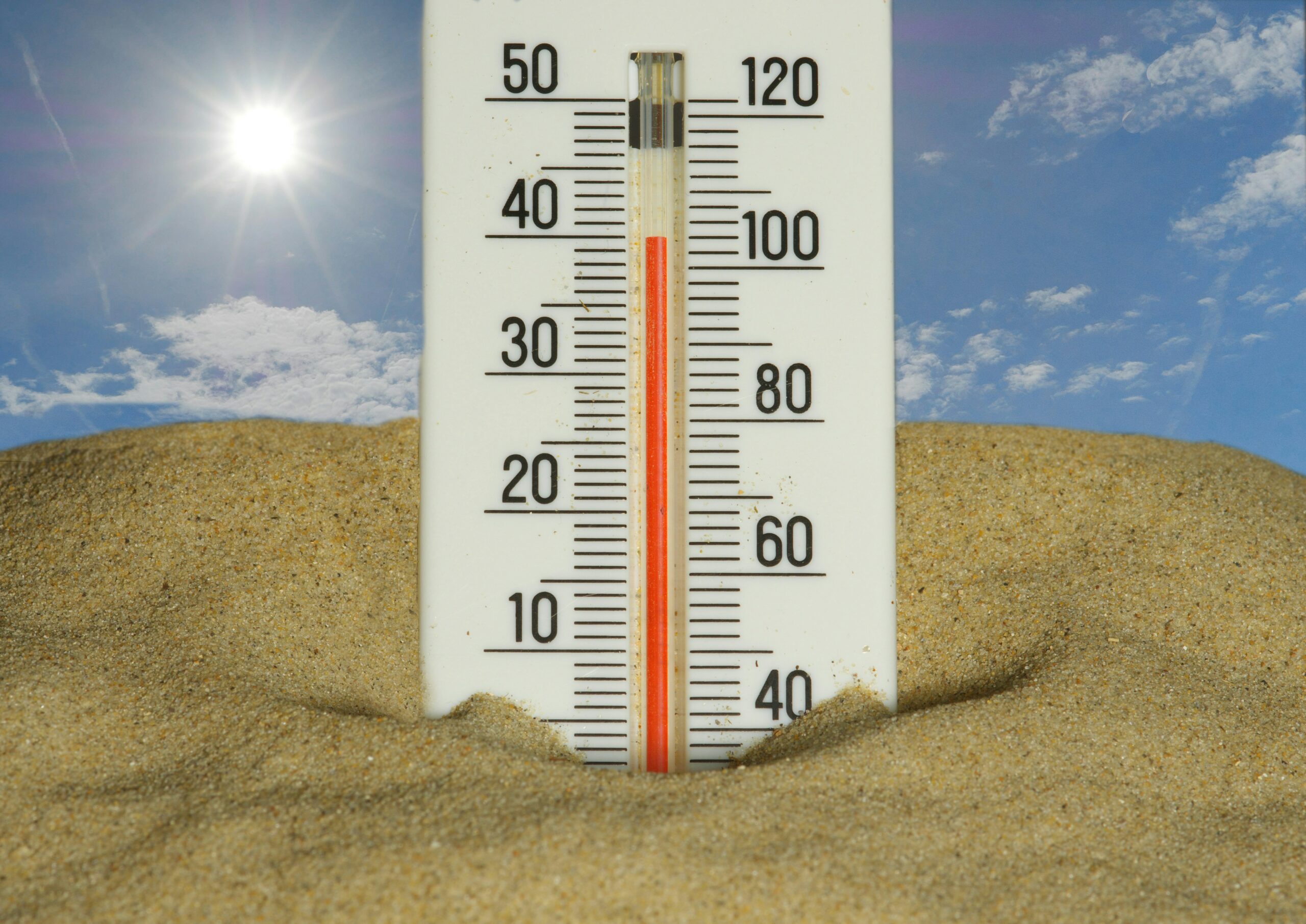
The Earth registered its highest temperature on record this week, according to key international climate monitoring agencies, underscoring the accelerating impact of climate change and threatening both human health and global infrastructure. Preliminary data from multiple reputable weather centers, including the US National Oceanic and Atmospheric Administration (NOAA) and the European Union’s Copernicus Climate Change Service, indicates that Monday, a globally averaged air temperature surpassed a critical threshold, although final official confirmation is pending. This unprecedented heat spike follows months of unusually warm conditions across the Northern Hemisphere, alarming scientists who warn that 2023 is increasingly likely to become the warmest year documented since reliable records began.
Defining the Temperature Anomaly
While daily maximum temperatures are frequently shattered locally, setting a new global average air temperature record is a significant climatic event. Scientists average the temperatures recorded across the entire surface of the globe—both land and sea—to derive the consolidated figure. The current heat wave is driven by a confluence of factors: the intensifying human-caused climate crisis fuelled by greenhouse gas emissions, the natural emergence of the El Niño weather pattern in the Pacific Ocean, and the onset of the Northern Hemisphere’s summer.
The El Niño phenomenon, characterized by warming surface waters in the central and eastern tropical Pacific, typically adds additional heat to the global system. Combined with the underlying warming trend established over decades, the effect is magnified. Experts suggest the combination creates a “double whammy” for planetary temperatures.
Impacts of Extreme Global Heat
This relentless heat poses severe, immediate dangers globally, stretching from North America and Southern Europe to Asia. Infrastructure systems are struggling; prolonged heat strains power grids as demand for air conditioning spikes, leading to potential blackouts. Transportation is also affected, with heat-related buckling sometimes observed on road and rail networks.
Crucially, public health is under intense pressure. Extreme heat is a “silent killer,” according to the World Health Organization, exacerbating existing cardiovascular and respiratory conditions. Vulnerable populations—the elderly, young children, outdoor workers, and those without access to cooling—are particularly at risk.
Regions currently experiencing the most intense heat are battling unprecedented wildfires and severe drought conditions, which further degrade air quality and threaten agricultural yields. The rise in ocean temperatures is equally concerning, risking coral bleaching events and disrupting marine ecosystems that regulate much of the planet’s weather.
Actionable Steps Amidst the Crisis
The repeated breaking of global temperature records serves as a stark reminder of the urgent need for both mitigation and adaptation strategies. Mitigation involves drastically cutting global emissions, primarily by transitioning away from fossil fuels, in line with commitments made under the Paris Agreement.
Adaptation focuses on preparing communities and infrastructure for the unavoidable impacts of the current warming. Practical steps individuals and communities can take include:
- Heat Safety: Remaining hydrated, avoiding strenuous activity during the hottest parts of the day, and checking on vulnerable neighbours.
- Urban Greening: Increasing tree canopy cover in cities to provide natural shade and reduce the urban heat island effect.
- Infrastructure Resilience: Investing in smart power grids capable of managing peak demand and building climate-resilient transport routes.
The current heat wave forces policymakers to confront the immediate reality of climate change. Scientists warn these extreme conditions will become more frequent and severe until global average warming is substantially slowed, making global collective action on emissions reductions more critical than ever before.