The intricate global food system is confronting an existential threat as climate change accelerates, according to a consensus of leading scientific reports and international organizations. Extreme weather events—including prolonged droughts, intense heatwaves, and devastating floods—are increasingly disrupting agricultural productivity across key regions, jeopardizing stability and affordability for billions worldwide. This looming crisis demands an urgent and coordinated overhaul of farming practices and resource management to avert widespread shortages and humanitarian emergencies.
How Extreme Weather Damages Crop Yields
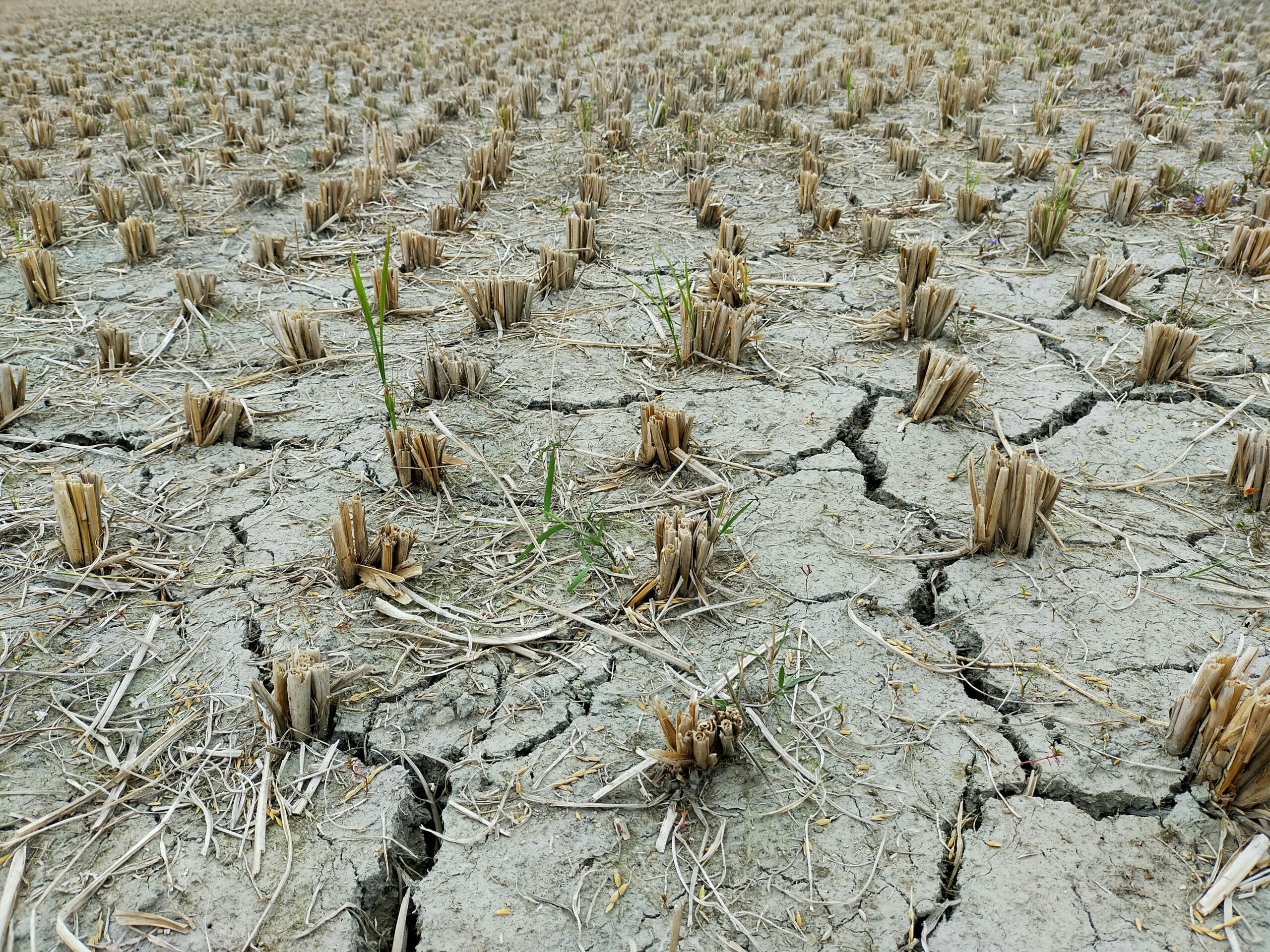
Climate volatility is not merely reducing crop sizes; it is fundamentally altering the conditions necessary for reliable harvests. Warmer temperatures directly stress staple crops like wheat, rice, and maize, shortening their growing seasons and diminishing grain quality. Furthermore, shifting precipitation patterns are causing a dual problem: areas that rely on consistent rainfall for irrigation are suffering unprecedented droughts, while regions experiencing higher-than-average deluges face soil erosion and destructive flooding, ruining planted fields.
A recent analysis published by the Intergovernmental Panel on Climate Change (IPCC) highlights that yield reductions for primary crops are already measurable in multiple latitudes. For instance, sub-Saharan Africa faces chronic water scarcity exacerbated by rising heat, making subsistence farming increasingly tenuous. Simultaneously, breadbasket regions such as the American Midwest and parts of Eastern Europe are experiencing highly unpredictable weather oscillations, complicating planting and harvesting schedules.
Dr. Anya Sharma, a senior agricultural economist at the World Bank, notes the compounding effect. “It’s not just the average temperature rise that worries us; it’s the increased frequency of exceptional events,” she explains. “A single, extreme heat spike during a critical flowering stage can wipe out a year’s worth of yield for an entire farm, leading to immediate localized price increases and long-term instability.”
Water Scarcity and Soil Degradation Intensify Risks
Beyond immediate weather impacts, long-term environmental degradation is eroding the foundation of global food production. Water stress is escalating as glaciers melt and underground aquifers are depleted faster than they can recharge. Agriculture accounts for roughly 70% of global freshwater withdrawals, meaning any constraint on water availability directly translates to a constraint on food supply.
Moreover, intensive farming practices combined with climate-related erosion are leading to widespread soil degradation. Healthy soil is essential for nutrient absorption and retaining moisture, but climate shocks hasten the breakdown of this vital natural resource.
The Path to Climate-Resilient Agriculture
Addressing this challenge requires comprehensive global strategies that prioritize both mitigation and adaptation. Experts emphasize that simply increasing output is insufficient; the focus must shift toward creating climate-resilient food systems.
Several promising avenues are being explored:
- Drought-Resistant Crops: Investing heavily in biotechnology and traditional breeding to develop varieties of grains and vegetables that can withstand prolonged heat and water scarcity.
- Water Management Technologies: Implementing precision irrigation, rainwater harvesting, and efficient drip systems to minimize water loss on farms.
- Sustainable Farming Methods: Promoting techniques such as conservation tillage, cover cropping, and agroforestry, which improve soil health and enhance carbon sequestration.
- Diversified Farming: Encouraging farmers to move away from monocultures and plant a wider variety of crops, making their income and food source less vulnerable to the failure of a single commodity.
Ultimately, safeguarding global food security necessitates a transformation in how humanity interacts with its environment. As extreme weather becomes the norm, governments and consumers must recognize that the stability of the dinner table is inextricably linked to the health of the planet. Failure to adapt could result in humanitarian crises, mass migration, and profound economic disruption on a scale the world has not seen in decades. The time for proactive change is now.