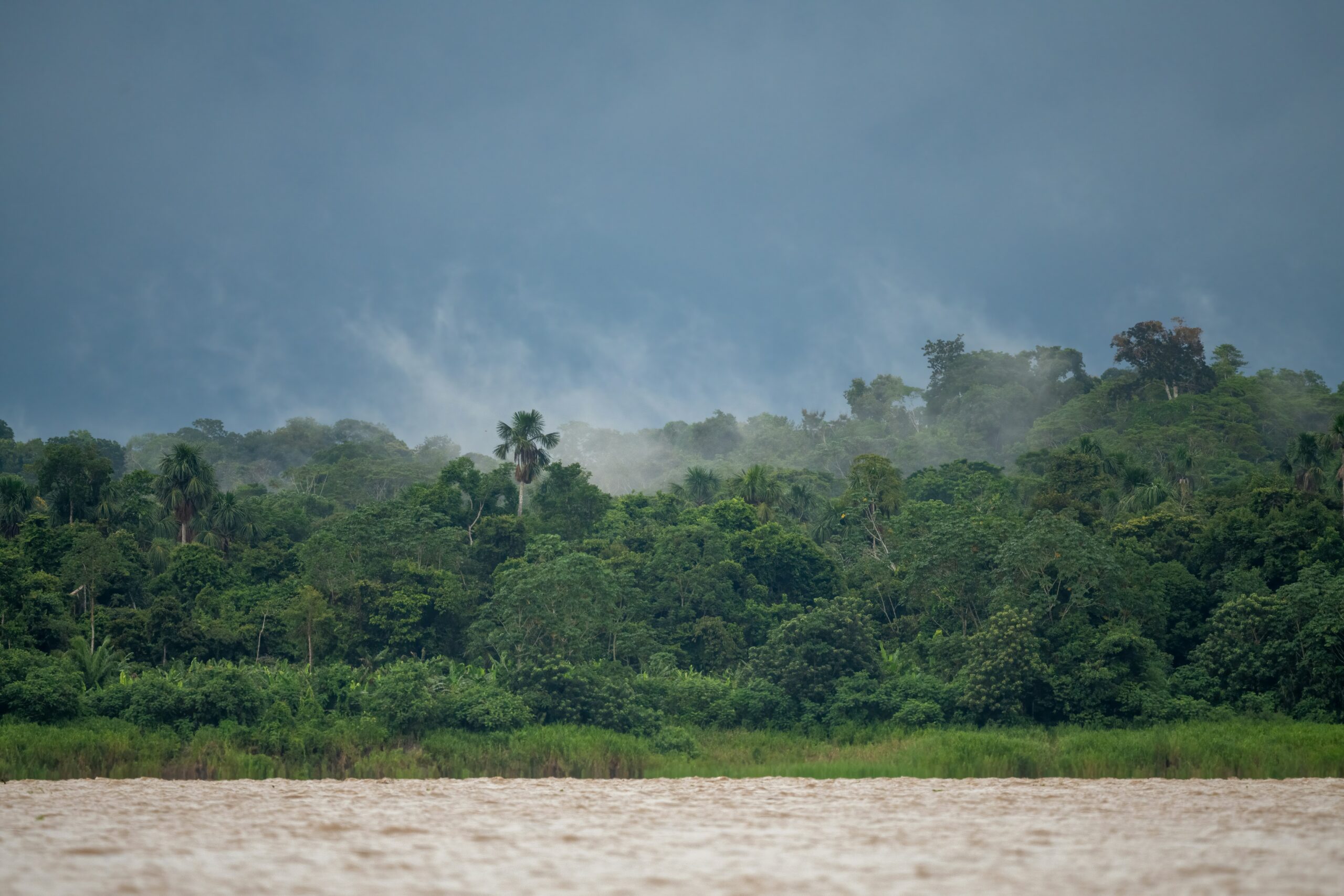
A major new analysis has quantified, for the first time, the staggering economic devastation likely to result from triggering Earth’s climate “tipping points”—thresholds beyond which changes to the planet’s systems become self-sustaining and irreversible. The study, published this week in Nature, projects that crossing just four of these critical boundaries—such as the collapse of the Greenland Ice Sheet or the die-off of the Amazon rainforest—could slash global GDP by as much as 10% by the end of the century.
What are climate tipping points, and why do they matter?
Climate tipping points are not gradual shifts; they are abrupt, often catastrophic changes. Once a certain temperature or disruption threshold is breached, a system—like a major ice sheet, ocean current, or forest—can shift into a new state with little warning. “We’ve been focused on gradual impacts like heatwaves and sea-level rise, but these are the big, low-probability, high-impact events that could fundamentally alter the planet,” said Dr. Maya Singh, a lead author of the study at the Potsdam Institute for Climate Impact Research.
Researchers identified nine major tipping elements. The four modeled for economic damage include:
- Collapse of the Greenland and West Antarctic Ice Sheets: Leading to several meters of sea-level rise over centuries.
- Amazon Rainforest Dieback: Turning a carbon sink into a carbon source.
- Weakening of the Atlantic Meridional Overturning Circulation (AMOC): Disrupting European and North American weather patterns.
The team combined climate models with a global economic projection to estimate costs. Their findings suggest that even a 1-in-10 chance of triggering a single tipping point could add roughly 1% to global GDP loss annually. If multiple tipping points interact—for instance, a dying Amazon exacerbating global warming which then accelerates ice melt—the economic damage spirals.
Trillions in lost output, not just environmental damage
The economic calculus is stark. In the worst-case scenario examined, global GDP would be 10% lower in 2100 than it would be without any tipping events. To put that in perspective, that is on par with the economic output lost during a severe, long-lasting depression. “We are not talking about a small tax on growth,” Dr. Singh explained. “We are talking about structural damage to global supply chains, agricultural productivity, and financial stability.”
The study emphasizes that current international climate targets—limiting warming to 1.5°C above pre-industrial levels—do not guarantee safety from these tipping points. In fact, many models show parts of the Greenland Ice Sheet and the Amazon are already approaching danger thresholds.
Broader impact: A call to action for insurers and investors
The findings have immediate implications for the financial sector. Reinsurers and pension funds with long-term horizons are particularly exposed. The analysis provides a quantitative underpinning for what has long been a qualitative fear: that climate risk is systemic financial risk.
“This paper is a price tag on inaction,” said Professor James Holloway, a risk economist at the London School of Economics who was not involved in the research. “It tells central bankers and finance ministers that ignoring tipping points is not just environmentally reckless—it is fiscally catastrophic.”
The study’s authors argue for a fundamental shift in climate policy: prioritizing resilience and early warning systems, alongside aggressive emissions cuts. They also advocate for “climate foresight” in corporate reporting, urging companies to stress-test their business models against the precise tipping event they are most vulnerable to.
Where do we go from here?
While the research paints a grim picture, it also underscores a path forward. Preventing the worst outcomes requires faster decarbonisation than currently pledged. The next UN climate summit, COP30 in Brazil, will face pressure to address these specific risks. For the public, the takeaway is clear: the cost of preventing climate catastrophe, however high, remains a fraction of the price of ignoring it. The bill for delay—measured not just in dollars but in human displacement and ecosystem collapse—is now quantified. The question is whether leaders will pay the smaller price today or the devastating one tomorrow.