Lede:
Negotiators from 175 nations failed to finalize a legally binding global plastics treaty on Monday, leaving a landmark opportunity to curb 400 million metric tons of annual plastic waste stalled until next year. The fifth and supposed final round of United Nations negotiations in Busan, South Korea, concluded without a consensus, highlighting deep divisions over production caps, chemical transparency, and financial support for developing economies.
Body:
The talks, originally scheduled to conclude on Friday but extended through Monday night, aimed to deliver a comprehensive instrument to address the entire lifecycle of plastics—from petroleum extraction and production to disposal and recycling. Instead, delegates emerged with only an agreement to reconvene in 2025, with a new chairperson tasked to revive the flagging negotiations. This outcome, while not unexpected given the entrenched positions, represents a significant setback for environmental groups and public health advocates who argue that the current system is unsustainable.
At the heart of the deadlock are two opposing visions. A coalition of about 100 countries, including the European Union, the United Kingdom, and many small island nations, pushed for ambitious measures such as binding cuts to plastic production, a phase-out of hazardous chemicals, and redesign requirements to boost recyclability. They are countered by a bloc of petrochemical-producing nations, led by Saudi Arabia and Russia, who demand that any agreement focus exclusively on better waste management and increased recycling, thereby protecting a fossil fuel industry that relies on plastics for future growth.
The Human Cost and Chemical Concerns
For many, the treaty is not just about environmental policy; it is a public health issue. Scientists and medical professionals have increasingly linked additives found in plastics, such as phthalates and bisphenols, to hormone disruption, reproductive issues, and certain cancers. “We are not negotiating an abstract environmental text,” said one senior delegate from a Pacific nation, speaking on condition of anonymity. “We are negotiating the future of our children’s health and the safety of the food we eat.”
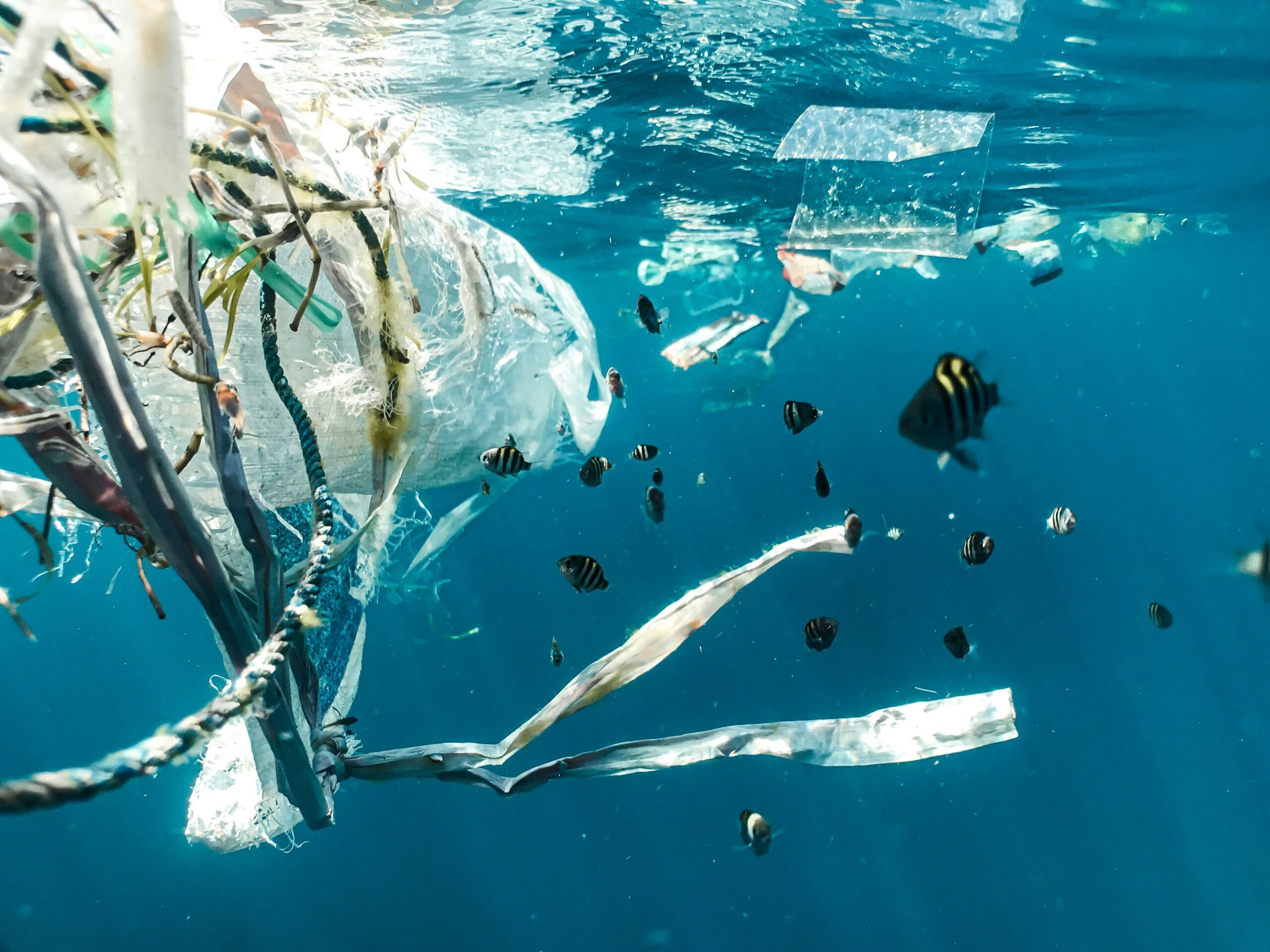
This scientific backdrop, which the Intergovernmental Panel on Climate Change has acknowledged as an emerging risk, lent a sense of urgency to the proceedings. A recent report from the Organisation for Economic Co-operation and Development (OECD) projects that global plastic waste will nearly triple by 2060, with half of that waste ending up in the environment. This trajectory threatens to overwhelm coastal ecosystems, contaminate groundwater, and accelerate the microplastic contamination that has now been found in human placentas, lungs, and blood.
Financial Friction and Next Steps
Financial commitments also proved contentious. Wealthy nations resisted demands for a dedicated multilateral fund that would finance waste infrastructure in low-income countries, which often serve as dumping grounds for waste from the developed world. In lieu of a final treaty, the conference adopted an interim work plan that includes a “knowledge and research” track—a move seen as a compromise to maintain momentum.
“We have kept the process alive, but we have failed the planet,” said a representative from the Natural Resources Defense Council, an international NGO present at the talks. “The clock is ticking louder than ever.”
The delay carries profound implications. Without a global agreement, the United Nations Environment Programme warns that the Great Pacific Garbage Patch could double in size within a decade. However, observers note that the delay is not a veto; the upcoming intersessional meetings offer a window for diplomats to bridge the gap, perhaps by prioritizing a framework convention that outlines broad principles while deferring specific annexes on production limits to future conferences.
Broader Impact:
The failure in Busan does not pause the tide of corporate or state-level action. In the absence of a federal treaty, more than a dozen countries and the European Union have already passed stricter domestic regulations on single-use plastics. Yet, without a unified global mandate, industry analysts suggest that the current patchwork of rules will continue to penalize responsible manufacturers while allowing cheap, virgin plastic production to surge. As the negotiators head home, the question remains whether the upcoming talks will yield a binding accord—or whether the world will continue to manufacture a permanent legacy of pollution from a material designed to last forever.