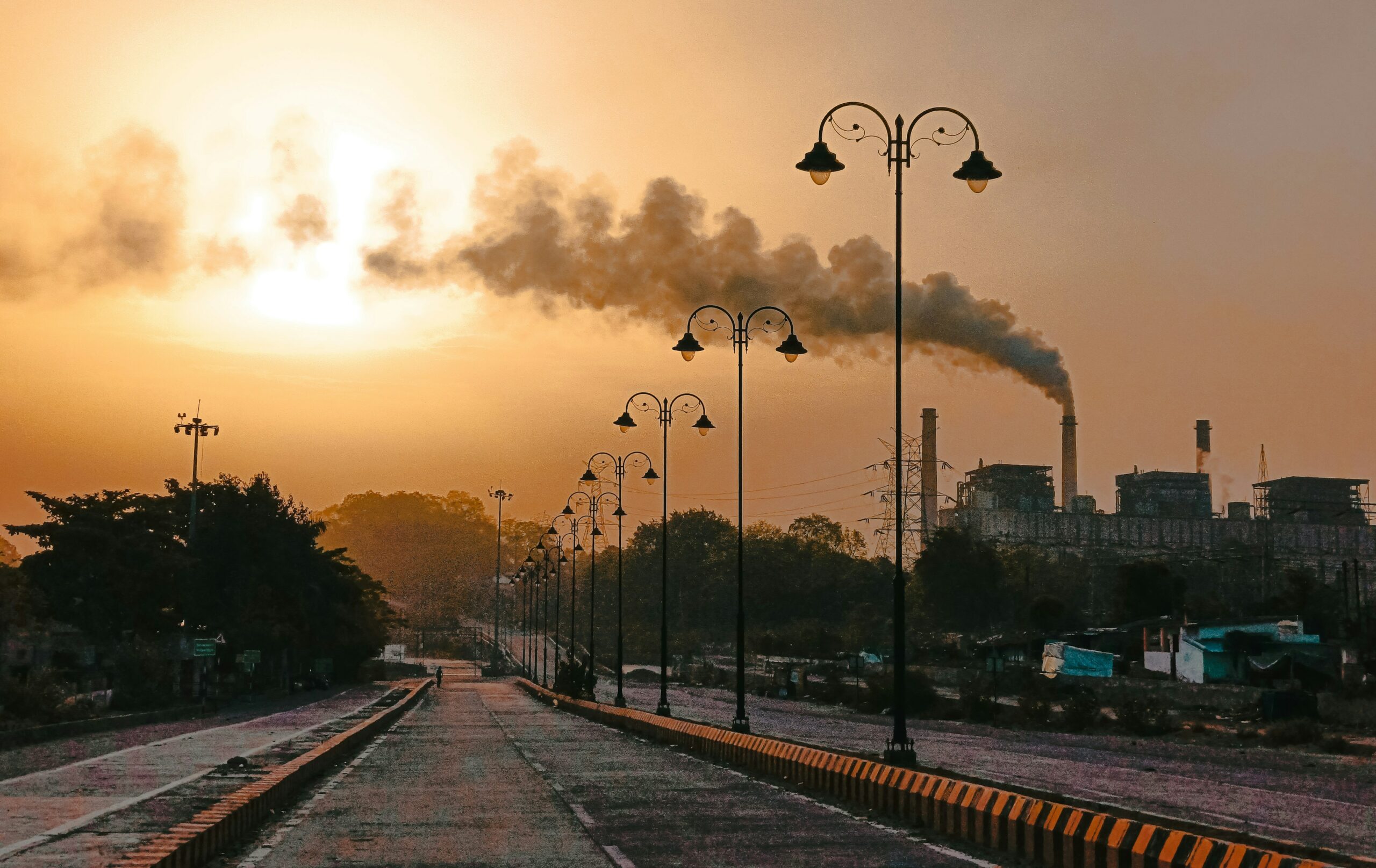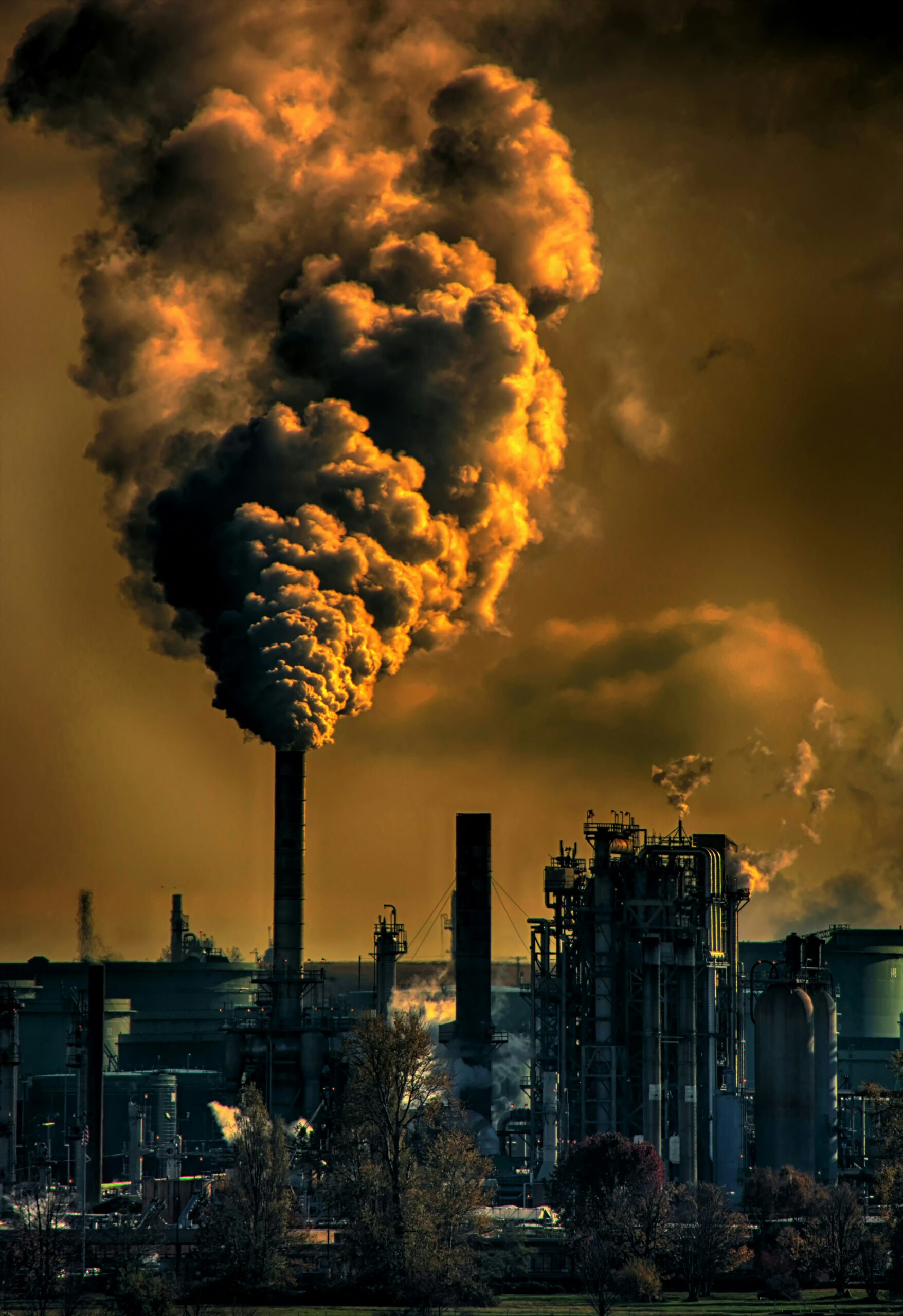
LONDON — Global carbon dioxide emissions from fossil fuels surged to an all-time high in 2024, according to a new international study, pushing the planet further into uncharted climate territory and intensifying calls for immediate policy action.
The Global Carbon Budget report, published Tuesday by an international consortium of more than 120 scientists, estimates that CO₂ emissions reached approximately 37.4 billion tonnes this year, a 0.8% increase over 2023 levels. The rise—driven primarily by growth in China and India, along with a rebound in international aviation—puts the world on track to exhaust the remaining carbon budget for a 50% chance of limiting warming to 1.5°C within six years, the researchers warned.
Emissions Sources and Regional Trends
The findings paint a stark picture of uneven progress. While the European Union and the United States saw modest declines of roughly 3% and 1%, respectively, emissions in India jumped more than 6%, and China’s rose by nearly 1.5%, cementing its position as the world’s largest emitter.
Fossil fuel combustion—coal, oil, and natural gas—accounts for about 90% of total emissions, with cement production and other industrial processes making up the remainder. Land-use changes, such as deforestation, contributed an additional 4.2 billion tonnes, though that figure represents a slight decrease from recent years.
“We are still moving in the wrong direction,” said Dr. Pierre Friedlingstein, lead author of the study and a climate scientist at the University of Exeter. “Despite decades of climate pledges and renewable energy growth, the rate of global emissions reductions remains far too slow to meet the Paris Agreement goals.”
The Atmospheric Toll
The report’s authors project that atmospheric CO₂ concentrations will average 425 parts per million in 2025, a level not seen for at least 3 million years—before modern humans existed. Such concentrations trap heat, driving rising sea levels, more intense heatwaves, and increasingly severe storms.
In Bangladesh, farmer Ayesha Begum, 48, has watched her rice paddies flood three times this year—a frequency she says she has never experienced in her lifetime. “The seasons no longer follow the old rules,” she told reporters from her waterlogged village in the Sundarbans delta. “We are adapting, but it feels like a race we are losing.”
Climate Finance and Policy Gaps
The release of the carbon budget comes just over a month after the United Nations climate summit in Baku, where world leaders struck a contentious deal to triple annual climate finance to developing nations by 2035. But experts say the pace of action remains dangerously behind the science.
Dr. Fatima Al-Hassan, an energy policy analyst at the Oxford Institute for Energy Studies, notes that while solar and wind capacity are expanding rapidly, they are not yet displacing fossil fuels at the required rate. “Renewable energy is growing, but global energy demand is growing even faster,” she said. “Until we see absolute decoupling of economic growth from emissions, the numbers will continue to climb.”
Implications and Next Steps
The findings amplify pressure on governments ahead of the next major UN climate conference, COP30, scheduled for November 2025 in Belém, Brazil. Hosts say the summit will focus on accelerating national emissions targets and scaling up adaptation funding for the most vulnerable nations.
For individuals, the report underscores the importance of policy engagement and energy efficiency. The Global Carbon Budget team recommends:
- Supporting clean energy policies at local and national levels.
- Reducing personal carbon footprints through transportation choices, diet, and home energy use.
- Staying informed about carbon tracking tools, such as online carbon budget calculators.
The scientists’ message is blunt but not without hope. “The technology to decarbonize exists,” said Friedlingstein. “What is missing is the collective political will to deploy it at scale and on time.”