Negotiators from 175 nations failed to reach a landmark agreement to curb plastic pollution on Sunday, as a bloc of oil-producing countries derailed efforts to impose mandatory production limits. The talks, hosted by the United Nations Environment Programme in Busan, South Korea, were meant to deliver the world’s first legally binding treaty on plastics after two years of tense diplomacy.
Delegates arrived in Busan hoping to finalise a deal that would tackle the roughly 450 million tonnes of plastic waste generated annually, half of which comes from single-use packaging. Instead, they left with a procedural statement and a promise to resume negotiations—most likely in 2025—with no firm timeline or venue yet set.
“This is not a failure—it is a pause,” said Inger Andersen, Executive Director of UNEP, in a closing press conference. “But the world cannot afford many pauses. The plastic tide continues to rise, and it is choking our oceans, harming our health, and deepening the climate crisis.”
The Sticking Point: Production Versus Waste Management
The central rift during the five-day summit pitted a “high-ambition coalition” of more than 60 countries—including EU member states, the United Kingdom, Canada, and several Pacific Island nations—against a smaller but influential group led by Saudi Arabia, Russia, and Iran. The latter bloc argued that the treaty should focus exclusively on improving recycling infrastructure and managing waste, rather than capping how much new plastic can be manufactured each year.
Negotiators told reporters that the “like-minded group” refused to include any language in the draft text that referenced “reduction of primary plastic polymers” or “virgin plastic production caps.” Their position was backed by major petrochemical companies and industry lobby groups that point to plastics as essential for medical devices, food safety, and renewable energy components.
Dr. Neil Nathan, a senior policy analyst at the Environmental Investigation Agency who observed the talks, said the industry’s influence was “palpable” throughout the summit. “Every time delegates tried to move toward supply-side measures, the oil-producing nations would invoke national sovereignty and economic development arguments,” he explained. “Meanwhile, the scientific evidence is clear: we cannot recycle our way out of a problem that doubles every decade.”
Human and Environmental Stakes
Beyond the diplomatic wrangling, the failure to reach a deal carries immediate consequences for vulnerable communities. In coastal nations from Indonesia to Senegal, plastic waste inundates fishing grounds and mangrove forests. Informal waste pickers, who handle roughly 60% of the world’s recyclable plastics without protective equipment, face mounting health risks from toxic chemicals leaching from discarded items.
Women in these communities are disproportionately affected. A 2023 study by the International Labour Organization found that women comprise 70% of the informal recycling sector in South Asia, earning less than $2 per day while handling hazardous materials. A treaty with binding production limits could have reduced the volume of waste they encounter and funded safer collection systems.
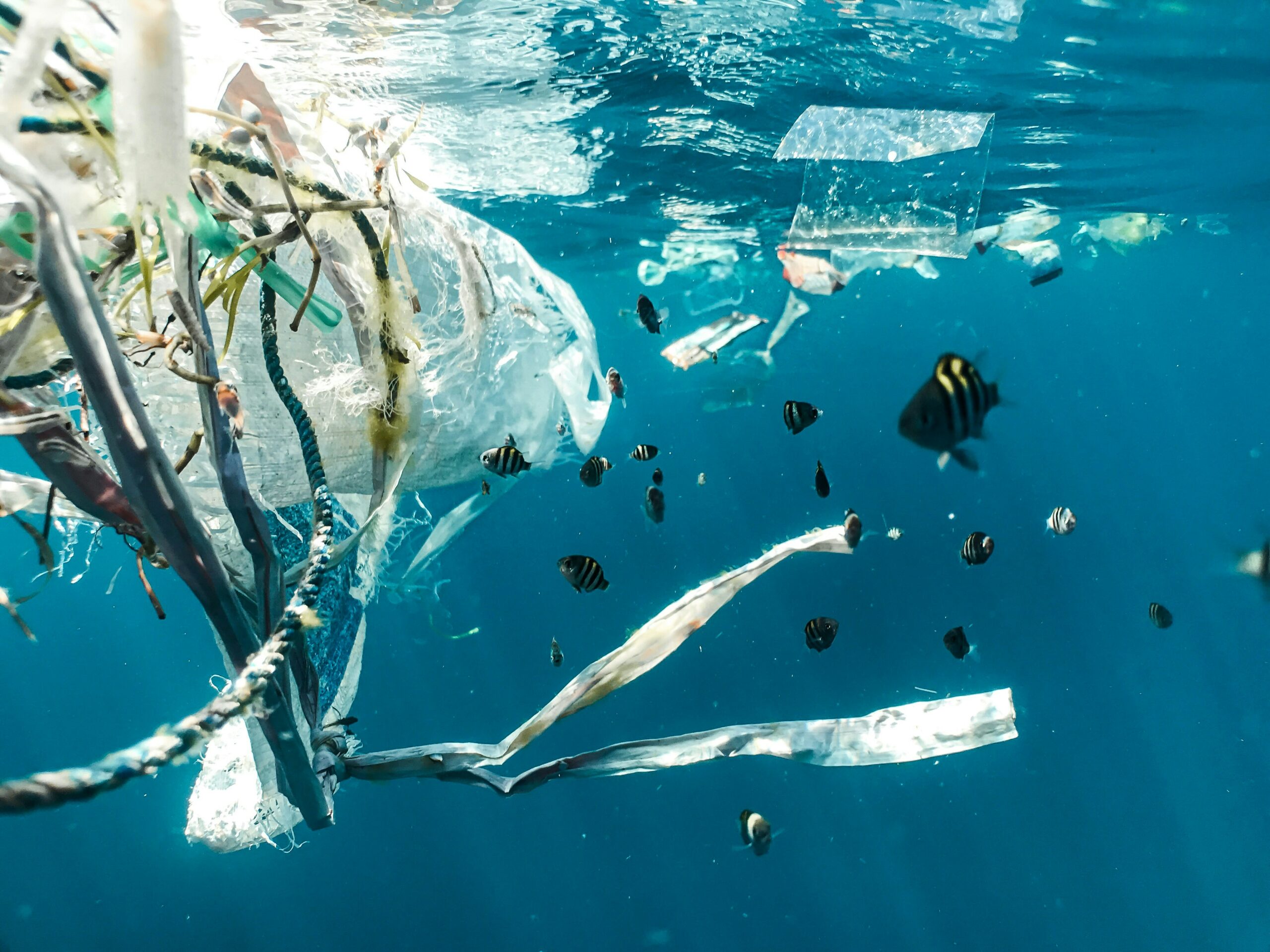
- Environmental toll: Plastics now account for 85% of marine litter; microplastics have been detected in human blood, placentas, and breast milk.
- Economic cost: The OECD estimates that plastic waste management costs governments $32 billion annually, with $19 billion of that borne by lower-income nations.
- Climate linkage: Plastic production is responsible for about 3.4% of global greenhouse gas emissions—more than aviation.
What Happens Next
The Busan outcome leaves the treaty process indefinitely suspended, mirroring the fate of earlier multilateral environmental agreements on mercury and biodiversity that took a decade to finalise. However, UNEP officials stressed that the framework text—excluding the contentious production sections—is largely agreed upon, covering monitoring, national action plans, and a mechanism for financing waste infrastructure in developing countries.
“We have a foundation, but the house is missing its roof,” said Nigerian delegate Amina Bello, who represents the African Group of Negotiators. “African nations came here expecting a roof. We cannot keep negotiating while our beaches become landfills.”
Observers say the most likely path forward is a two-track approach: a “mini-treaty” focusing only on waste management could be adopted at a resumed session in early 2025, while the harder question of production caps is deferred to a separate protocol or amendment process. Environmental groups warn this would be a catastrophic compromise.
“The science tells us we need 75% reduction in virgin plastic production by 2040 to stay within planetary boundaries,” said Dr. Nathan. “If the treaty doesn’t address supply, it’s like trying to drain a bathtub with the tap still running.”
In the interim, individual countries and regional blocs are likely to accelerate domestic measures. The EU has already banned selected single-use plastics and imposed a packaging levy. Canada designated plastics as “toxic” under its environmental law last year. And in the United States, pending legislation—the “Break Free From Plastic Pollution Act”—would place a moratorium on new petrochemical plants.
The next opportunity to break the deadlock may come in June at the UN Ocean Conference in Nice, France, where heads of state are expected to press for a revived treaty timeline. Whether the oil-producing nations will bend, or whether the treaty will be stripped of its most transformative provision, remains the defining question of global environmental governance in the decade ahead.