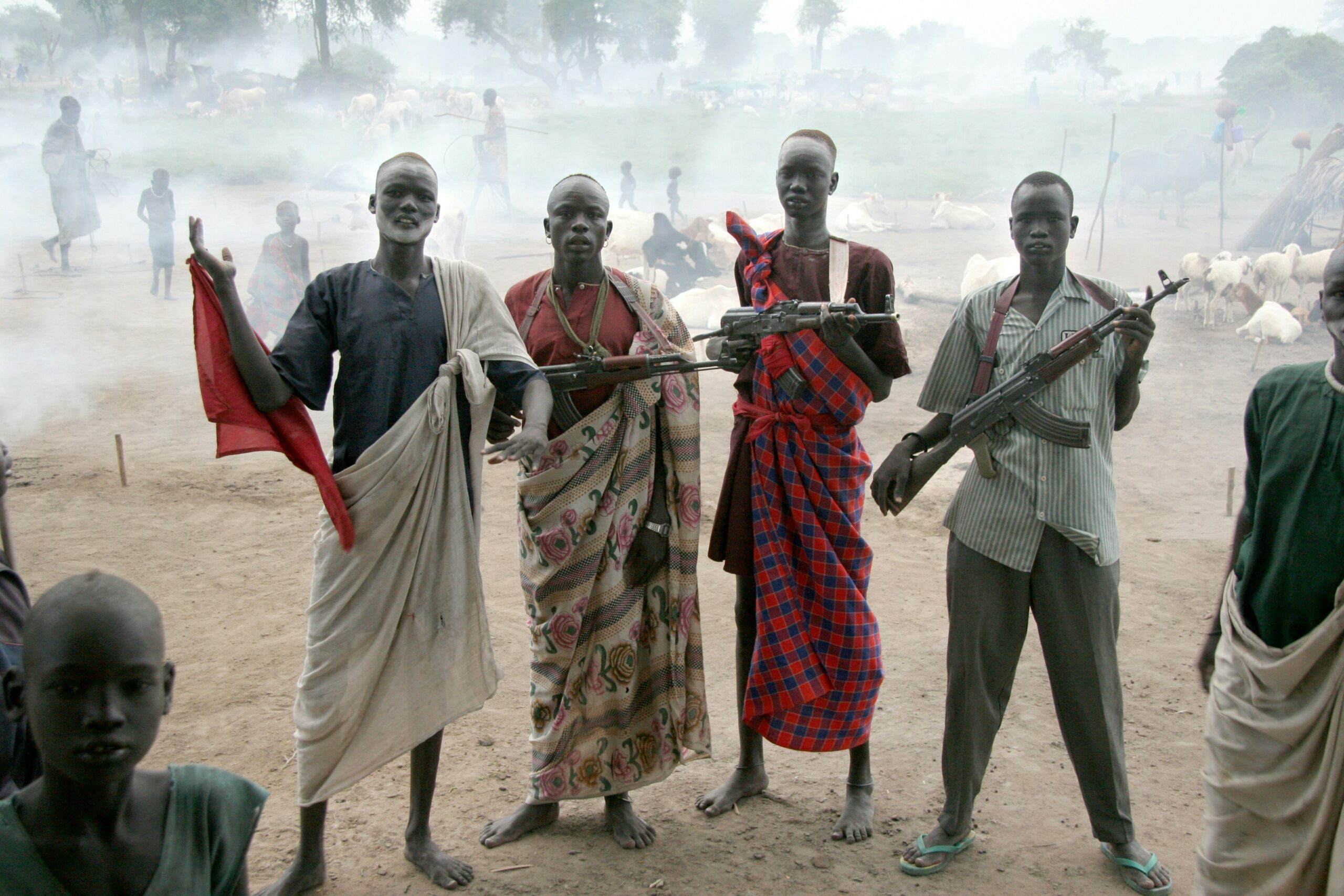
A convergence of extreme weather events, geopolitical instability, and lingering pandemic aftershocks is pushing the world’s food supply chains to a critical breaking point. From floods in Pakistan to droughts in the Horn of Africa and export bans in India, the systems that feed eight billion people are growing more fragile by the season, threatening to reverse years of progress in hunger reduction.
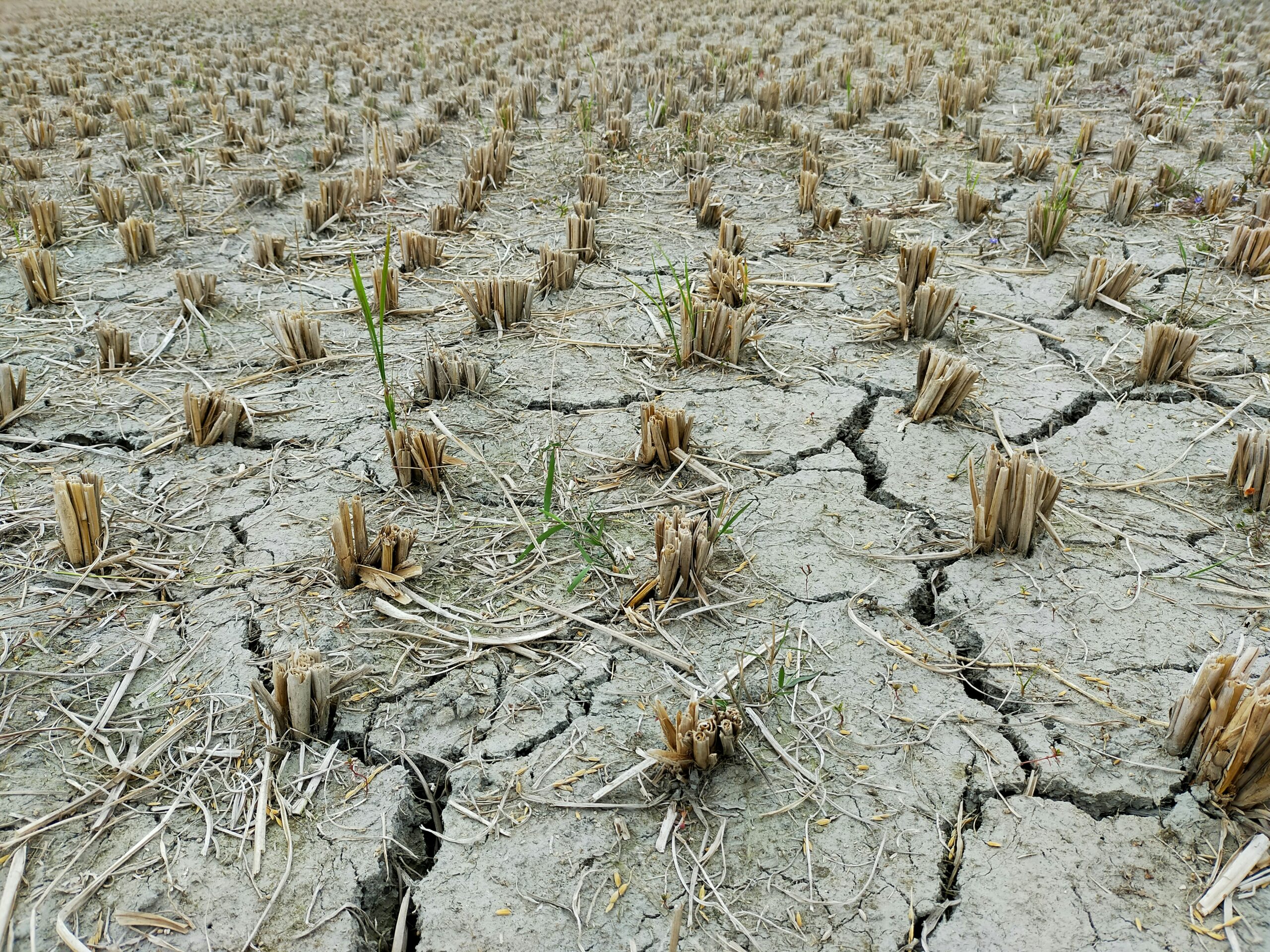
In 2024 alone, the United Nations Food and Agriculture Organization reports that 45 countries need external assistance for food, a figure driven by climate shocks and conflict. The World Bank estimates that a 1-degree Celsius temperature rise above seasonal norms can reduce yields of staple crops like wheat, rice, and maize by as much as 6 to 10 percent. These numbers are no longer hypothetical. Last year, heatwaves in northern China withered corn fields; in Europe, a searing summer sapped olive oil production by nearly a third; and in East Africa, five consecutive failed rainy seasons pushed millions into acute hunger.
The Ripple Effect of Export Restrictions
One of the most destabilizing forces has been the resurgence of protectionist policies. When a major producer restricts exports—as India did with rice and sugar in 2023—prices spike globally. The International Food Policy Research Institute notes that such actions can drive food inflation upward by 15 to 20 percent in importing nations. For countries like Nigeria, Sri Lanka, and Yemen, where households spend more than half their income on food, these price shocks force families to skip meals, pull children from school, or sell productive assets.
“We are seeing a domino effect,” says Dr. Meera Singh, a food security analyst at the University of Nairobi. “One drought in one country sets off a chain of scarcity that ricochets through futures markets and ends up on dinner plates thousands of miles away.”
A Vulnerable Harvest
Modern agriculture is highly centralized: just three countries—the United States, Brazil, and Argentina—control more than 70 percent of the global corn and soybean trade. A single crop failure in the American Midwest can send shockwaves across livestock industries in Southeast Asia. Meanwhile, the war in Ukraine has slashed wheat exports to vulnerable nations in the Middle East and North Africa, leaving them scrambling for alternative suppliers at elevated costs.
Smallholder farmers, who produce roughly one-third of the world’s food, are the most exposed. In Guatemala, erratic rains have forced coffee growers to shift to subsistence crops—or abandon farming entirely. In Zambia, the government declared a national disaster this year after a prolonged dry spell wiped out half the maize harvest. “We plant in hope and harvest in despair,” says Josephine Mwansa, a farmer in Lusaka province. “Insurance is too expensive. Loans require collateral we don’t have. We are one bad season away from losing everything.”
What Can Be Done?
Experts point to a handful of high-impact interventions. Diversifying supply sources can reduce reliance on a handful of mega-producers; strategic grain reserves held by regional blocs can buffer against price shocks; and climate-resilient seeds developed through public-private partnerships can help farmers adapt to erratic weather.
The World Food Programme is calling for a $5 billion annual investment in food system adaptation—a fraction of global military spending. Meanwhile, the G7 has pledged to increase support for early warning systems and social safety nets in at-risk regions.
The Road Ahead
As global temperatures continue to rise, experts warn that the window for action is narrowing. The Intergovernmental Panel on Climate Change projects that without significant cuts in emissions, crop yields could decline by up to 30 percent by mid-century. The challenge is not simply technical but political: nations must choose between short-term national interests and long-term collective resilience.
For families in the world’s breadbaskets and most fragile communities alike, the question is no longer whether the next crisis will come—but whether the world will be ready when it does.