A dramatic rise in dengue fever infections worldwide is sounding alarms among public health officials, with climate change identified as a primary driver of the disease’s rapid expansion into previously unaffected regions. The mosquito-borne virus, historically concentrated in tropical and subtropical zones, has now been reported in over 130 countries, with cases doubling globally between 2020 and 2024, according to the World Health Organization (WHO).
Unprecedented Spread
Dengue fever, which causes severe flu-like symptoms—including high fever, intense headaches, and joint pain—can escalate into hemorrhagic fever, a potentially fatal complication. In 2024 alone, more than 12 million cases were recorded worldwide, a stark increase from the 5.2 million reported in 2019. The Americas have been hit hardest, with Brazil, Argentina, and Peru reporting surges of up to 400% compared to previous years.
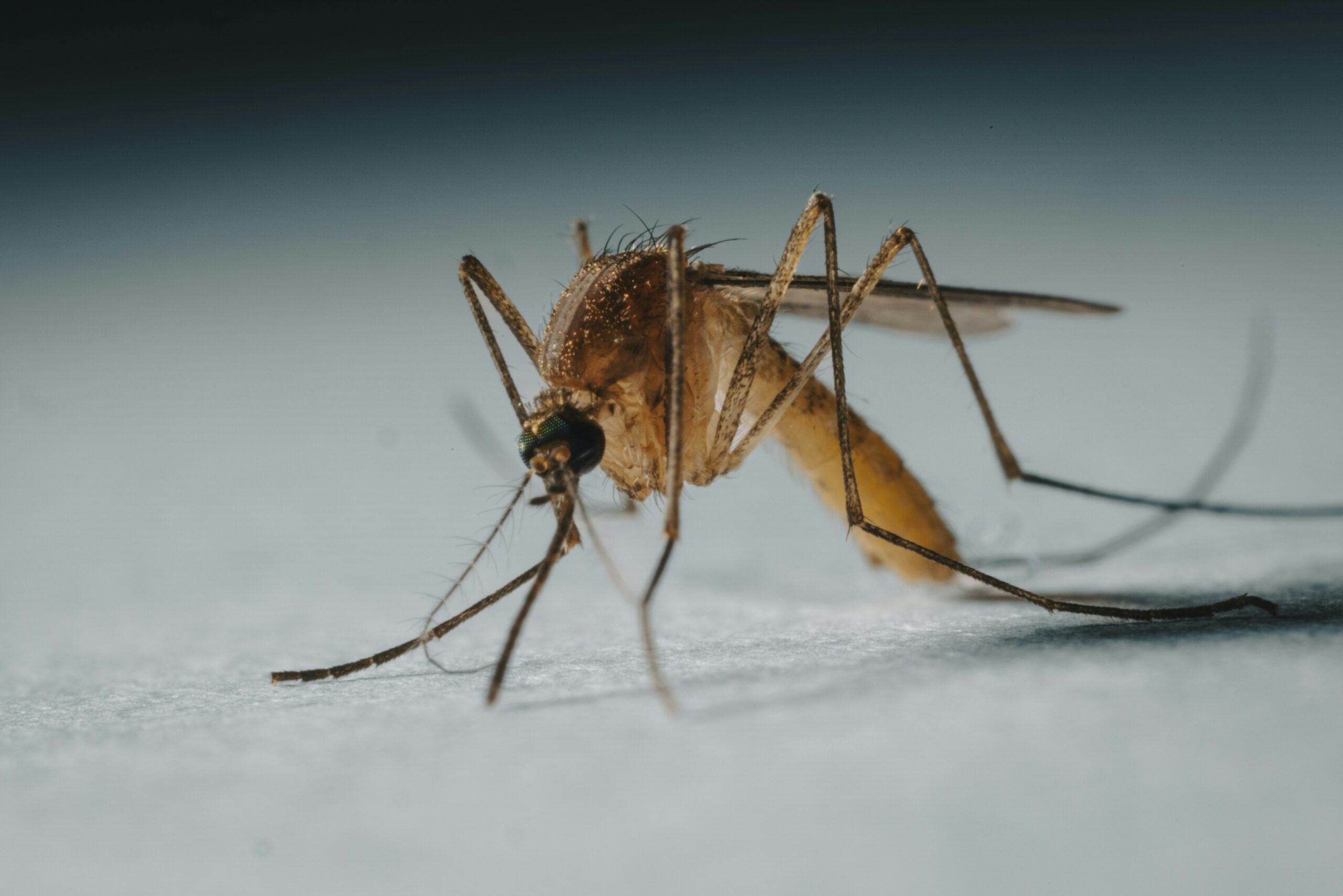
“We are seeing dengue appear in places where it has never been seen before, like parts of Southern Europe and the southern United States,” said Dr. Maria Van Kerkhove, WHO’s acting director of epidemic and pandemic preparedness. “Warmer temperatures and changing rainfall patterns are allowing the Aedes aegypti mosquito—the primary vector—to thrive farther north and at higher altitudes.”
Climate Link and Urban Vulnerability
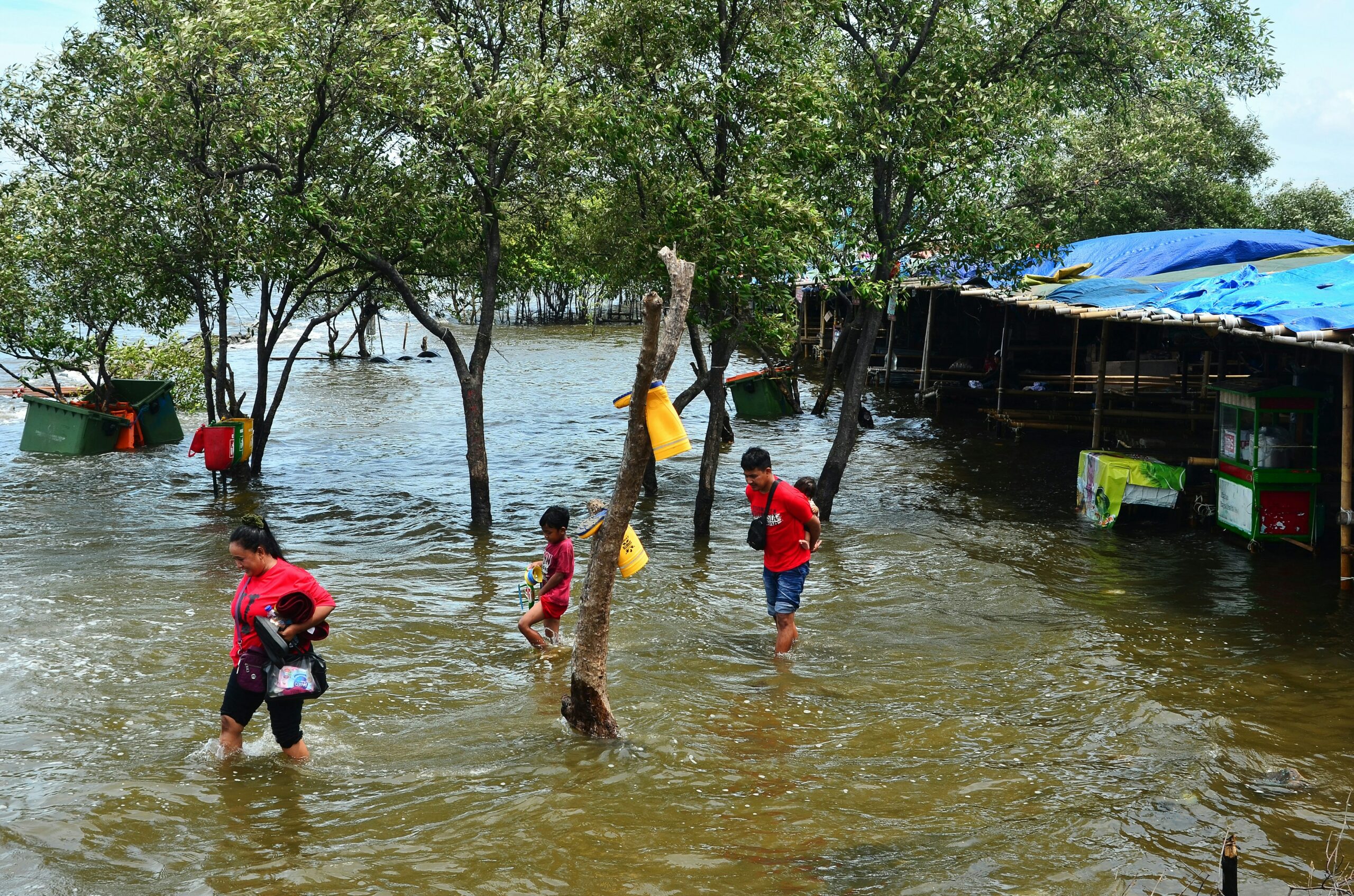
Rising global temperatures have extended the mosquito’s breeding season and geographic range. A 2023 study in Nature Climate Change found that every 1°C increase in global temperature could expand the mosquito’s habitat by roughly 4% annually. Simultaneously, erratic monsoons and flooding in South Asia and sub-Saharan Africa create stagnant water pools—ideal breeding sites.
Urbanization amplifies the crisis. Overcrowded cities with poor sanitation and limited waste management provide dense human populations for mosquitoes to feed on. In Dhaka, Bangladesh, a 2023 outbreak infected over 120,000 people, overwhelming hospitals. “In our slums, you cannot hide from the mosquitoes,” said Fatima Begum, a 34-year-old mother of two from Dhaka’s Kamrangirchar district. “My youngest son was hospitalized for three days. The fever broke, but we live in fear every rainy season.”
Diagnostic and Treatment Challenges
The disease remains notoriously difficult to combat. There is no specific antiviral treatment; care is supportive, focusing on hydration and fever management. A vaccine, Dengvaxia, exists but is recommended only for those who have had a prior dengue infection, as it can worsen outcomes for first-time patients. Newer vaccines, such as TAK-003 (Qdenga), are being rolled out in endemic countries like Indonesia and Brazil, but global supply remains limited.
“Diagnosis is another hurdle,” noted Dr. Ernesto T. Marques, an infectious disease researcher at the University of Pittsburgh. “Dengue symptoms mimic many other febrile illnesses, and rapid diagnostic tests are still not widely available in rural areas. Without early detection, severe cases can be missed until it’s too late.”
Economic and Social Fallout
The economic cost is staggering. A 2024 analysis by the Asian Development Bank estimated that dengue-related healthcare expenses and lost productivity could exceed $8 billion annually across Southeast Asia. Tourism-dependent nations, such as Thailand and the Maldives, have seen visitor cancellations during outbreak seasons.
Children bear a disproportionate burden: in the Philippines, dengue is the leading cause of pediatric hospitalization during outbreak months. Schools have been forced to close repeatedly in affected regions.
Next Steps: Prevention and Resilience
Public health experts stress that immediate action can mitigate the spread. The WHO’s Global Vector Control Response 2024–2030 outlines a three-pronged strategy: scaling up mosquito egg and larvae surveillance, expanding community-based fogging and net distribution, and investing in early warning systems that combine climate data with disease tracking.
Urban planners are also exploring long-term solutions. In Singapore, a nationwide program releases Wolbachia-infected male mosquitoes, which sterilize wild females when they mate, reducing the mosquito population by up to 90% in pilot zones.
For individuals, prevention remains the first line of defense. Experts recommend:
- Eliminating standing water around homes (pots, tires, gutters).
- Using EPA-approved insect repellent containing DEET or picaridin.
- Installing window screens and sleeping under mosquito nets.
“We cannot stop climate change overnight, but we can adapt,” said Dr. Van Kerkhove. “Every country, even those not yet affected, should have a dengue preparedness plan in place. The window of opportunity is narrowing.” The global fight against dengue, now a mass-scale threat, will require coordinated international action—or risk tens of millions more falling ill.