Public health agencies across the globe are sounding the alarm regarding a resurgence of measles, a highly contagious viral disease that was once thought to be nearing elimination in many developed nations. The warning comes as new data reveals a significant drop in vaccination coverage over the past three years, creating dangerous pockets of susceptibility in communities from Europe to North America.
The World Health Organization (WHO) reported this week that measles cases have spiked by nearly 80% globally during the first two months of 2024 compared to the same period last year. Health experts attribute this troubling trend directly to the disruption of routine immunization services during the COVID-19 pandemic and a rise in vaccine hesitancy fueled by misinformation campaigns.
A Preventable Danger
Measles is caused by a virus in the paramyxovirus family and is one of the most infectious diseases known to humans. It spreads through airborne droplets when an infected person breathes, coughs, or sneezes. The virus can remain active and contagious in the air or on surfaces for up to two hours.
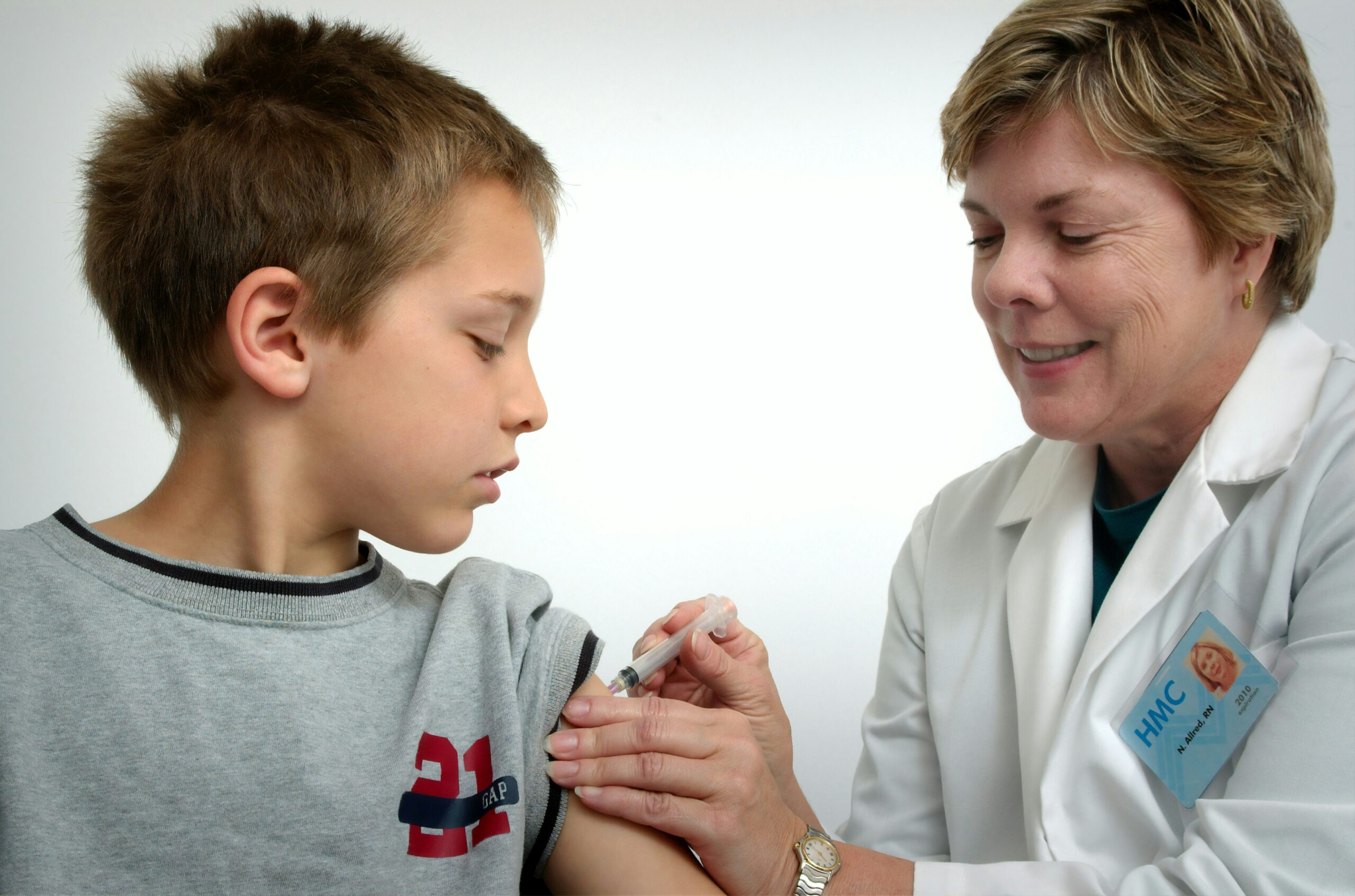
For the majority of the population, the danger is entirely preventable. The MMR vaccine (Measles, Mumps, and Rubella) is estimated to be 97% effective at preventing infection after two doses. However, to achieve herd immunity and protect those who cannot be vaccinated—such as infants and the immunocompromised—a community vaccination rate of roughly 95% is required.
Current statistics indicate that many regions are falling short of this threshold. In the UK, the UK Health Security Agency (UKHSA) recently declared a national incident following a steady rise in outbreaks across the Midlands and London. Similarly, the Centers for Disease Control and Prevention (CDC) in the United States has recorded more than a dozen separate outbreaks this year alone, most occurring in tight-knit communities with lower-than-average vaccination rates.
The Cost of Dropped Guard
The resurgence serves as a stark reminder that infectious diseases do not respect borders. Dr. Katherine O’Reilly, a specialist in infectious diseases, emphasized the gravity of the situation in a recent briefing.
“We are seeing the consequences of a false sense of security,” Dr. O’Reilly noted. “Because measles was eliminated in many countries years ago, parents have forgotten how severe it can be. This isn’t just a rash; it can lead to pneumonia, encephalitis, and death.”
The symptoms of measles typically begin with a high fever, cough, runny nose, and red, watery eyes. Tiny white spots, known as Koplik spots, may appear inside the mouth two to three days after symptoms begin. A characteristic red rash usually breaks out three to five days after the start of symptoms, spreading from the head down to the rest of the body.
Protecting the Community
For families wondering about their next steps, the guidance from health officials is unambiguous: check vaccination records immediately.
- Check Records: Adults unsure of their vaccination status should consult their primary care physician. It is safe to receive an additional dose if there is no record of previous immunization.
- Travel Precautions: Anyone planning international travel should ensure they are fully vaccinated at least two weeks before departure.
- Community Awareness: Schools and childcare facilities are being urged to enforce vaccination policies strictly to prevent superspreader events.
The road to recovery from this vaccination gap will require a concerted effort from governments and local health providers to catch up on missed doses. As health officials scramble to contain current outbreaks, the message to the public remains clear: high vaccination rates are the only wall standing between a contained threat and a widespread public health crisis.