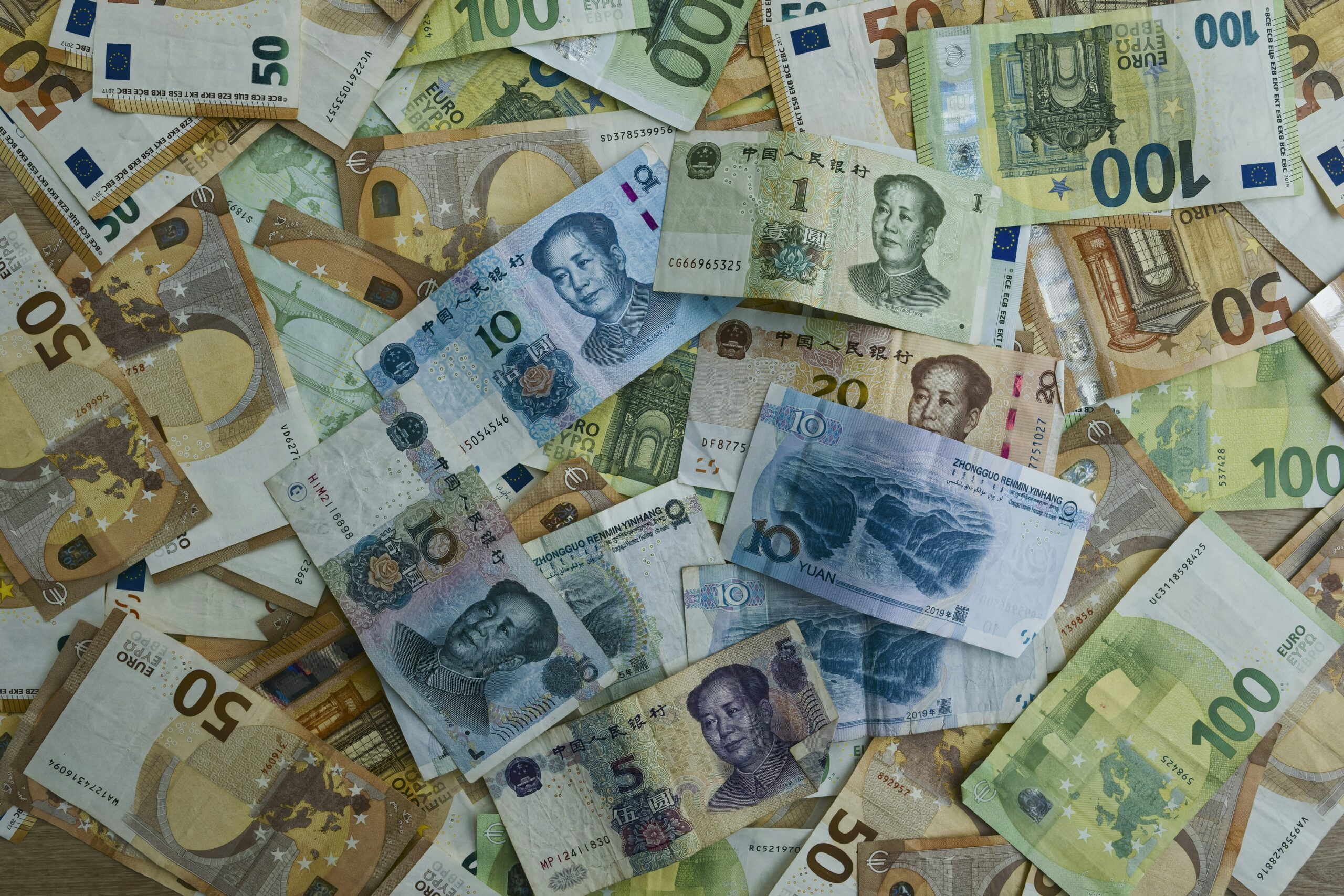
Inflationary pressures that have gripped the global economy for the past two years are finally beginning to recede, prompting central banks to reconsider their aggressive monetary policies. From the US Federal Reserve to the European Central Bank, policymakers are navigating a delicate transition: lowering interest rates to stimulate growth without reigniting the price surges that previously eroded consumer purchasing power.
The shift follows a historic cycle of rate hikes designed to curb post-pandemic inflation. As supply chains stabilized and energy costs leveled off, central bankers shifted their focus from inflation management to preventing a potential recession. This pivot signals a new phase for global markets, impacting everything from mortgage rates to corporate investment strategies.
The Drivers Behind the Policy Change
Several key economic indicators have converged to facilitate this downward trend in rates. Cooling labor markets in major economies have reduced the risk of a “wage-price spiral,” where rising salaries force businesses to hike prices. Additionally, consumer spending—the primary engine of the global economy—has shown signs of fatigue as high borrowing costs finally dampened demand.
Key factors influencing the decision include:
- Targeted Inflation Convergence: Most developed economies are nearing the 2% inflation target set by central banks.
- Stabilizing Energy Markets: A reduction in volatility for oil and gas has helped lower the “headline” inflation figures that affect household budgets.
- Real Estate Cooling: High interest rates successfully slowed overheated housing markets, reducing the risk of a credit bubble.
Implications for Households and Businesses
For the average consumer, the pivot toward lower rates offers a glimmer of relief. Borrowers who have faced exorbitant costs for credit cards, auto loans, and variable-rate mortgages may see their monthly obligations decrease over the coming year. However, experts warn that the era of “near-zero” interest rates is unlikely to return soon. Instead, the market is entering a period of “higher-for-longer” stability, where rates remain at a moderate level.
Businesses, particularly those in the technology and manufacturing sectors, are expected to benefit from cheaper capital. Lower borrowing costs often lead to increased capital expenditure, which can drive innovation and job creation. Conversely, savers who enjoyed high yields on certificates of deposit and savings accounts may see their returns begin to diminish.
Navigating the Transition
While the downward trend is welcome, economists suggest that the path forward remains fraught with geopolitical risks. Ongoing conflicts and trade tensions can still disrupt supply lines, potentially sending costs back up. For individuals looking to manage their finances during this transition, the following steps are recommended:
- Review Debt Portfolios: Consider refinancing high-interest debt if rates continue to drop.
- Locked-in Savings: For those with extra cash, locking in current high-yield savings rates before further cuts occur may be beneficial.
- Diversified Investment: Monitor how different sectors react to the pivot; traditionally, utilities and real estate perform well when rates fall.
As central banks move forward, the focus remains on achieving a “soft landing”—restoring price stability without triggering a spike in unemployment. The coming months will be a critical test of whether the global economy can regain its momentum in a more stable, lower-rate environment.