International relief organizations are intensifying operations this week to deliver urgently needed humanitarian aid to regions severely impacted by ongoing global conflicts. The escalating displacement and destruction of infrastructure have created a critical situation, prompting a massive logistical effort by the United Nations and various non-governmental organizations (NGOs) to reach vulnerable populations across multiple continents.
The crisis scale is daunting. Years of sustained violence, coupled with economic instability, have pushed millions toward famine and disease. Relief convoy movements—often operating under severe security constraints—are struggling to keep pace with demand for essential items, including emergency medical kits, clean water, and nutritional supplements, officials confirmed Tuesday.
Logistical Hurdles Impede Vital Assistance
A primary challenge remains secure access to conflict zones. Repeated security incidents, including attacks on aid workers and blockages on key supply roads, have significantly slowed the delivery pipeline. According to data released by the UN Office for the Coordination of Humanitarian Affairs (OCHA), the number of internally displaced people (IDPs) worldwide reached a record high earlier this year, overwhelming local capacities wherever they settle.
“The speed at which populations are being forced from their homes is outpacing our ability to establish sustainable support networks,” remarked Dr. Elias Kabbah, Global Emergency Coordinator for Aid Without Borders, speaking via video link from a logistics hub near a major flashpoint. “We are often forced to choose between prioritizing food delivery and providing immediate shelter.”
The destruction of essential civilian infrastructure, such as water treatment plants and hospitals, multiplies the long-term impact of the crisis. Restoring these services typically requires significant capital investment and security guarantees that are currently unavailable in the most affected areas.
Funding and Resources Remain Essential
Despite the immense need, funding for major international appeals often lags. Relief organizations emphasize that predictable, sustained financial commitment is crucial for implementing long-term recovery plans rather than just short-term emergency responses.
Key priorities for the current aid surge include:
- Medical Support: Providing trauma care and preventative vaccinations against cholera and measles, which thrive in crowded, unsanitary conditions.
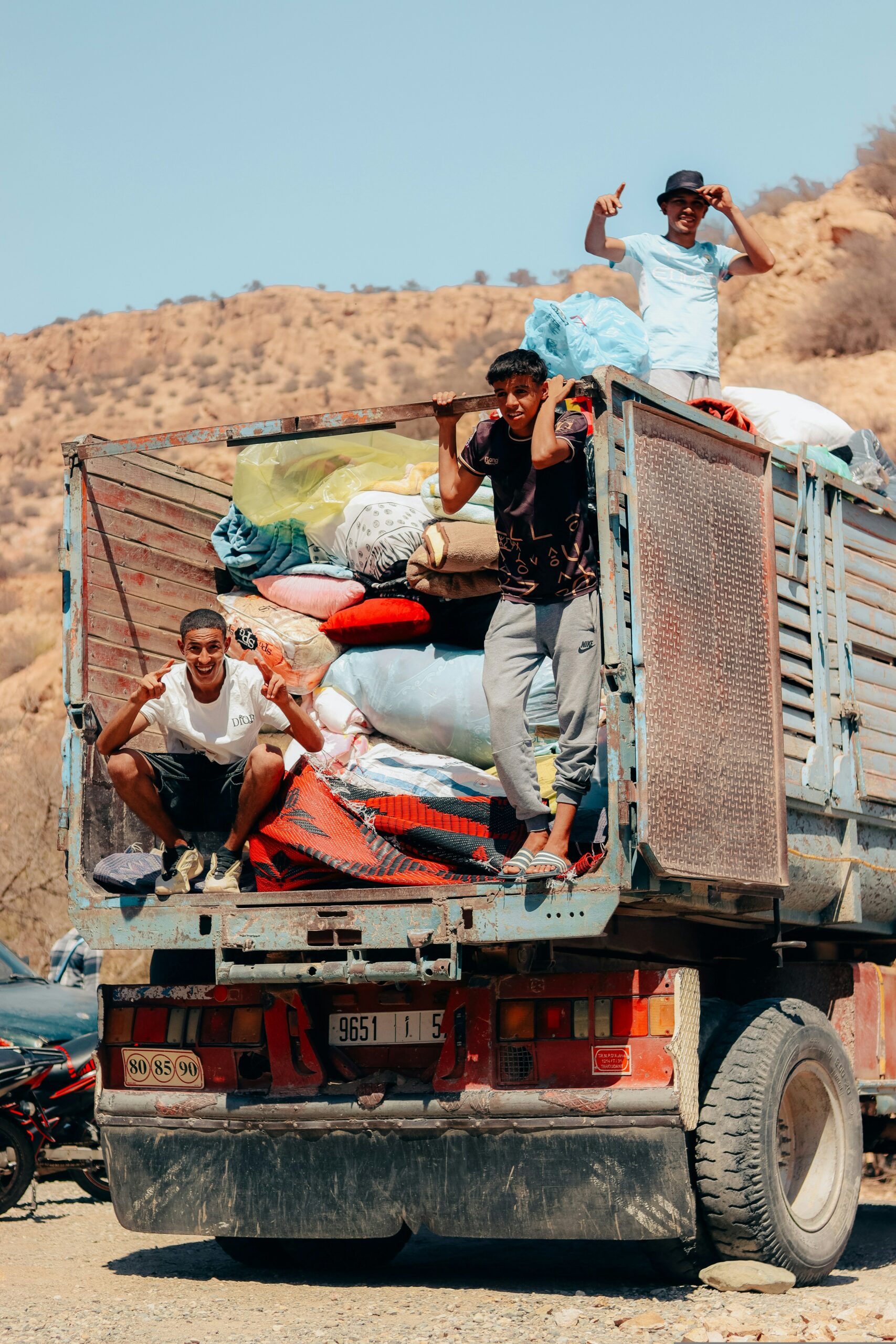
- Shelter: Distributing basic necessities like blankets, tents, and cooking utensils to families who have lost everything.
- Food Security: Delivering high-energy biscuits and therapeutic feeding supplies for severely malnourished children.
The geopolitical complexities surrounding global conflict often exacerbate the humanitarian crisis. Sanctions, border closures, and conflicting local governance structures create a labyrinth of red tape that aid workers must navigate daily, often negotiating localized “pauses” to safely deliver supplies.
The international community faces sustained pressure to ensure that commitments made at recent donor conferences translate swiftly into tangible aid on the ground. The success of this urgent aid push will be measured not just by the volume of supplies delivered, but by the measurable reduction in preventable suffering among the world’s most vulnerable populations. As conflicts show little sign of abatement, sustained global solidarity remains the only viable path to mitigating catastrophic humanitarian outcomes.