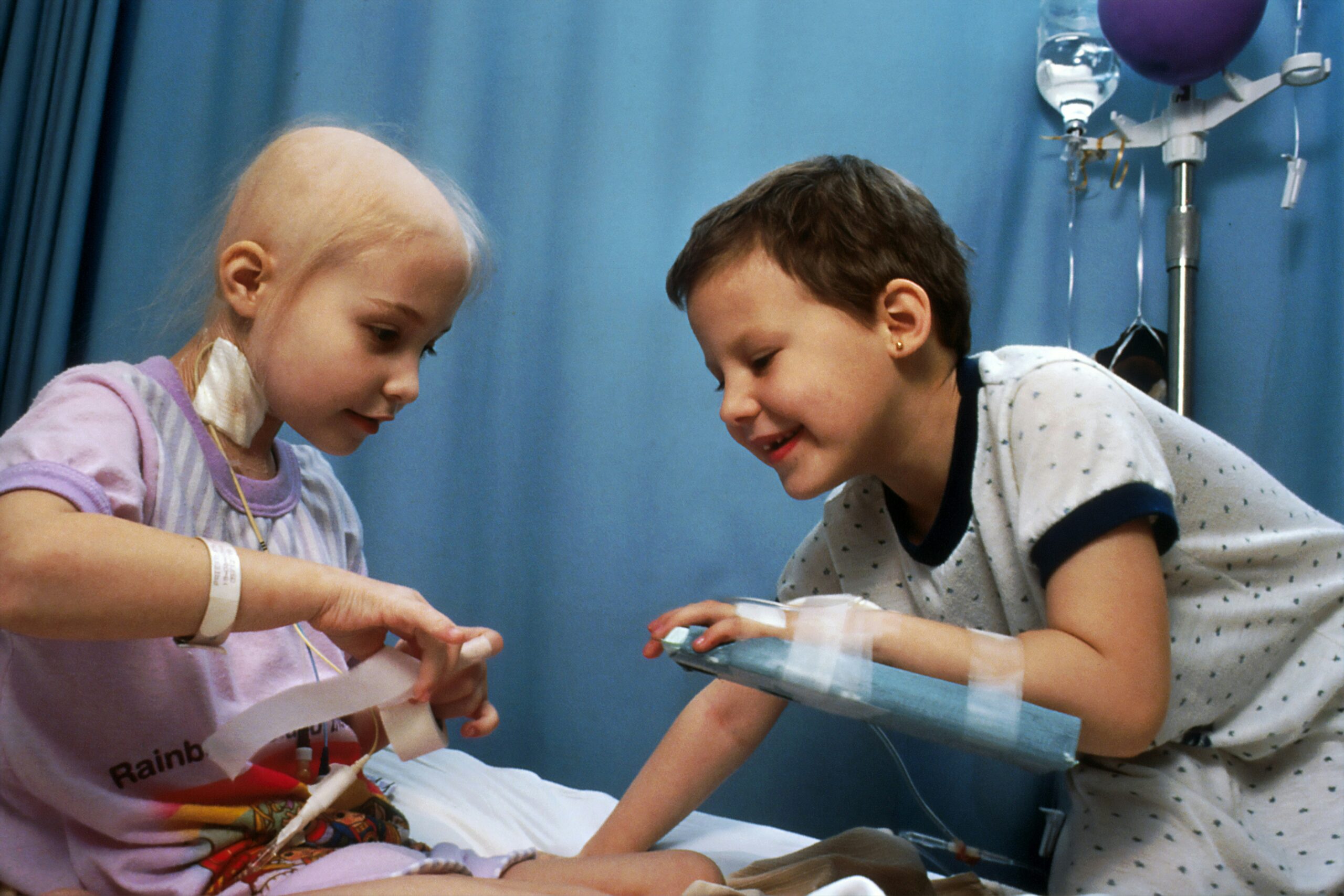
A renewed international push is set to accelerate critical research into pediatric cancers, aiming to dramatically improve survival rates and reduce the debilitating long-term effects of current treatments on children worldwide. This collaborative initiative brings together leading research institutions, patient advocacy groups, and pharmaceutical companies to share genomic data and biological samples, focusing on less well-understood and aggressive cancer types that disproportionately affect young people. The effort, organized under the umbrella of a new consortium, promises to break down historical data silos, establishing global standards for diagnosis and treatment accessibility in both high-income and developing nations.
Treating childhood cancers presents unique challenges compared to adult oncology. While overall survival rates for common pediatric cancers, like acute lymphoblastic leukaemia, have climbed significantly in developed countries, other forms remain stubbornly resistant to existing therapies. Moreover, the harsh nature of chemotherapy and radiation often leaves survivors facing serious late effects, including heart failure, secondary cancers, and cognitive impairment, decades after remission.
Bridging the Data Divide for Rare Childhood Tumours
The cornerstone of this new global strategy is the centralized sharing of genomic and clinical data. Many pediatric tumours, such as diffuse intrinsic pontine glioma (DIPG) and certain neuroblastomas, are relatively rare, meaning no single clinic or country has enough cases to conduct definitive research on its own.
By pooling anonymized data from thousands of children across multiple continents, researchers can achieve statistical power previously unattainable. This integrated approach will utilize advanced artificial intelligence (AI) and machine learning to identify common molecular drivers, distinct from those found in adult cancers, that fuel these aggressive pediatric malignancies.
Experts emphasize the importance of speed. Dr. Eleanor Vance, lead coordinator for the European component of the consortium, noted in a briefing that “Every day counts when we are dealing with a child’s tumour. Standardizing data collection now means that a breakthrough identified in London can instantly inform treatment protocols in Mumbai, drastically shrinking the discovery-to-clinic pipeline.”
Ensuring Equitable Access to Care
Beyond the laboratory, a key mission of the collaboration is addressing disparities in care. Survival rates for childhood cancers vary dramatically globally, often exceeding 80% in high-income nations but plummeting below 30% in many low- and middle-income countries (LMICs) due to delayed diagnosis, lack of access to specialized treatment centers, and economic barriers.
The consortium is committed to the following actions to promote equity:
- Developing Twinning Programmes: Pairing specialized cancer centers in wealthy nations with emerging centers in LMICs to transfer expertise and technology.
- Creating Low-Cost Diagnostics: Investing in rapid, affordable diagnostic tools suitable for resource-limited settings.
- Streamlining Drug Supply: Advocating for essential paediatric oncology medicines to be added to priority lists and working with manufacturers to improve affordability and consistent supply chain management.
Patients and families are central to the new effort. Advocacy groups participating in the consortium stress that the focus must not only be on surviving cancer but on thriving afterward. Researchers are increasingly integrating quality-of-life analyses into clinical trials, moving beyond simple five-year survival metrics to evaluate long-term well-being.
Ultimately, this consolidated, multi-national initiative represents a crucial shift—from fragmented, localized studies to a collective, powerful global response. By harnessing shared data and unified goals, the world’s leading scientists are positioning themselves to redefine the trajectory of childhood cancer, ensuring more children survive and live full, healthy adult lives. Future steps will involve the creation of an open-access data portal, intended to launch within the next twelve months, further democratizing tumour data for researchers worldwide.