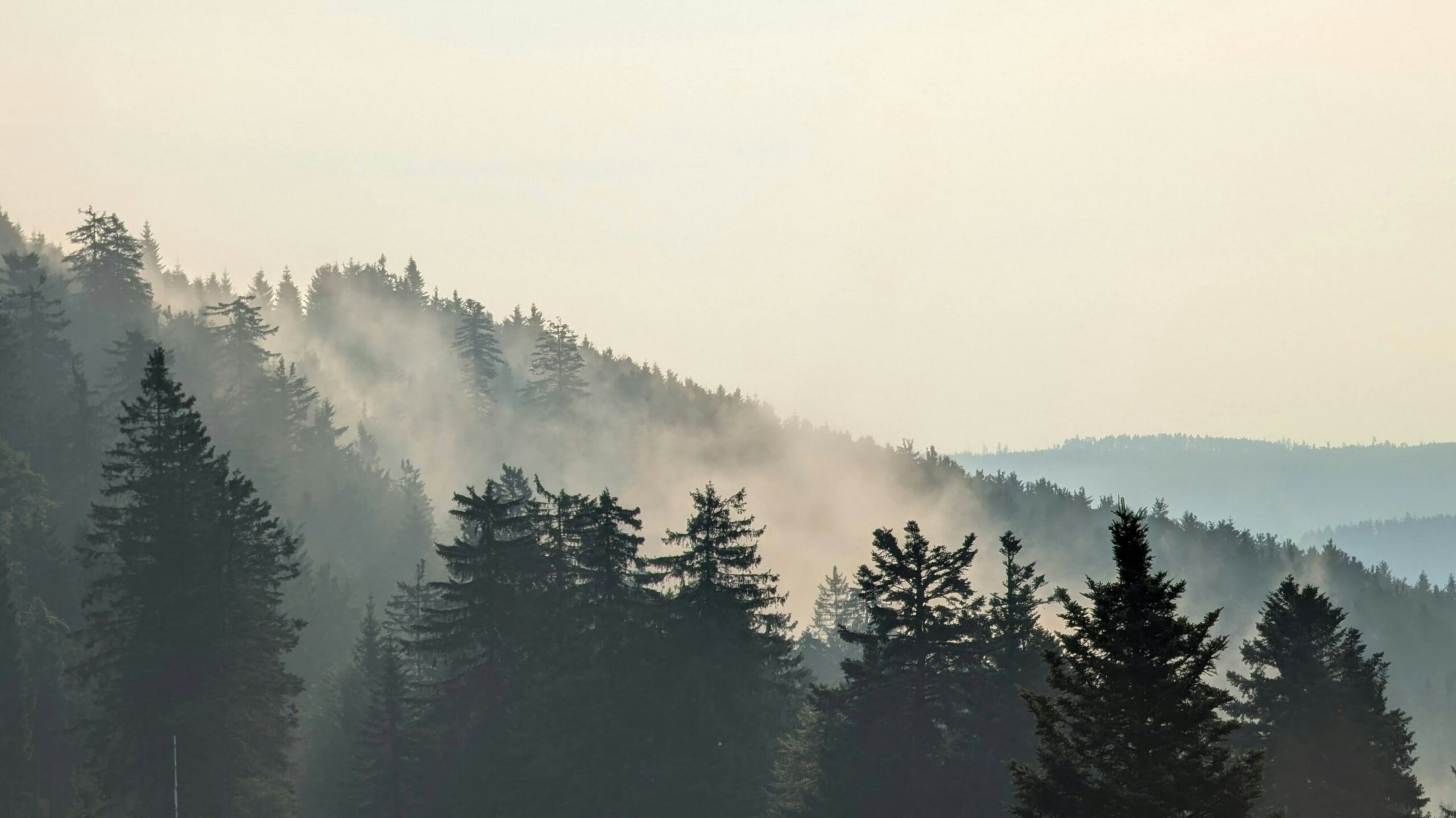
LONDON—The escalating frequency and intensity of major wildfires worldwide are creating a critical, long-term challenge for global public health and international efforts to curb climate change. While immediate focus often centers on property destruction and direct fatalities, the vast plumes of smoke generated by these fires are increasingly recognized as a significant source of air pollution, impacting millions far beyond the burn zones and complicating crucial emissions targets.
The interconnected drivers of this crisis are complex: climate change intensifies heatwaves and drought, creating drier, more flammable landscapes; simultaneously, human development encroaches upon wilderness areas. This synergy means fires start more easily, spread faster, and burn hotter, injecting enormous quantities of particulate matter and greenhouse gases into the atmosphere.
Public Health Crisis Spreads Far
The most pressing public health threat posed by wildfire smoke is exposure to fine particulate matter, known as PM2.5. These microscopic particles can travel hundreds or even thousands of miles, penetrating deep into the lungs and entering the bloodstream. Elevated levels of PM2.5 are strongly linked to respiratory illnesses, cardiovascular complications, and increased mortality, particularly among vulnerable populations such as the elderly, children, and individuals with pre-existing conditions.
Recent analysis shows that smoke from major fire seasons—whether in the Amazon, Australia, Siberia, or North America—has temporarily elevated air quality to hazardous levels in major metropolitan areas, even those geographically distant from the ignition points. This transboundary pollution requires coordinated international monitoring and response strategies. Health authorities are urging residents in affected areas to monitor local air quality indexes, utilize indoor air purifiers, and wear appropriate masks outdoors to mitigate exposure during severe smoke events.
Climate Feedback Loop Accelerates
Beyond direct health impacts, these intense burning events represent a substantial setback for global commitments to reduce atmospheric carbon. Forests are essential carbon sinks, absorbing and storing CO2. When a forest burns, not only is the stored carbon instantaneously released back into the air, but the ecosystem’s capacity to absorb future emissions is significantly diminished, sometimes for decades.
Experts describe this phenomenon as a dangerous climate feedback loop. As temperatures rise, fires increase; as fires increase, more carbon is released; the release of carbon further accelerates global warming, leading to more extreme fire conditions. For instance, massive boreal fires in the far north, previously rare, are now releasing vast stores of carbon locked away in ancient permafrost and peatlands, material that would otherwise remain sequestered for millennia.
“We are observing a shift from episodic regional events to a systemic global hazard,” says Dr. Anya Sharma, an environmental policy specialist focused on resilience. “The scale of these fires is now so great that they must be factored directly into national emissions inventories, alongside industrial and transportation emissions, requiring comprehensive land management and prevention efforts.”
To truly address this growing crisis, the focus must broaden beyond suppression. Strategies must include proactive forest management techniques, such as prescribed burns and strategic thinning, coupled with aggressive global action to reduce fossil fuel use and mitigate the root cause of the intense heat: rising average global temperatures. Until these systemic factors are addressed, the haze of wildfire smoke will remain a perennial threat to human health and the planet’s climate stability.