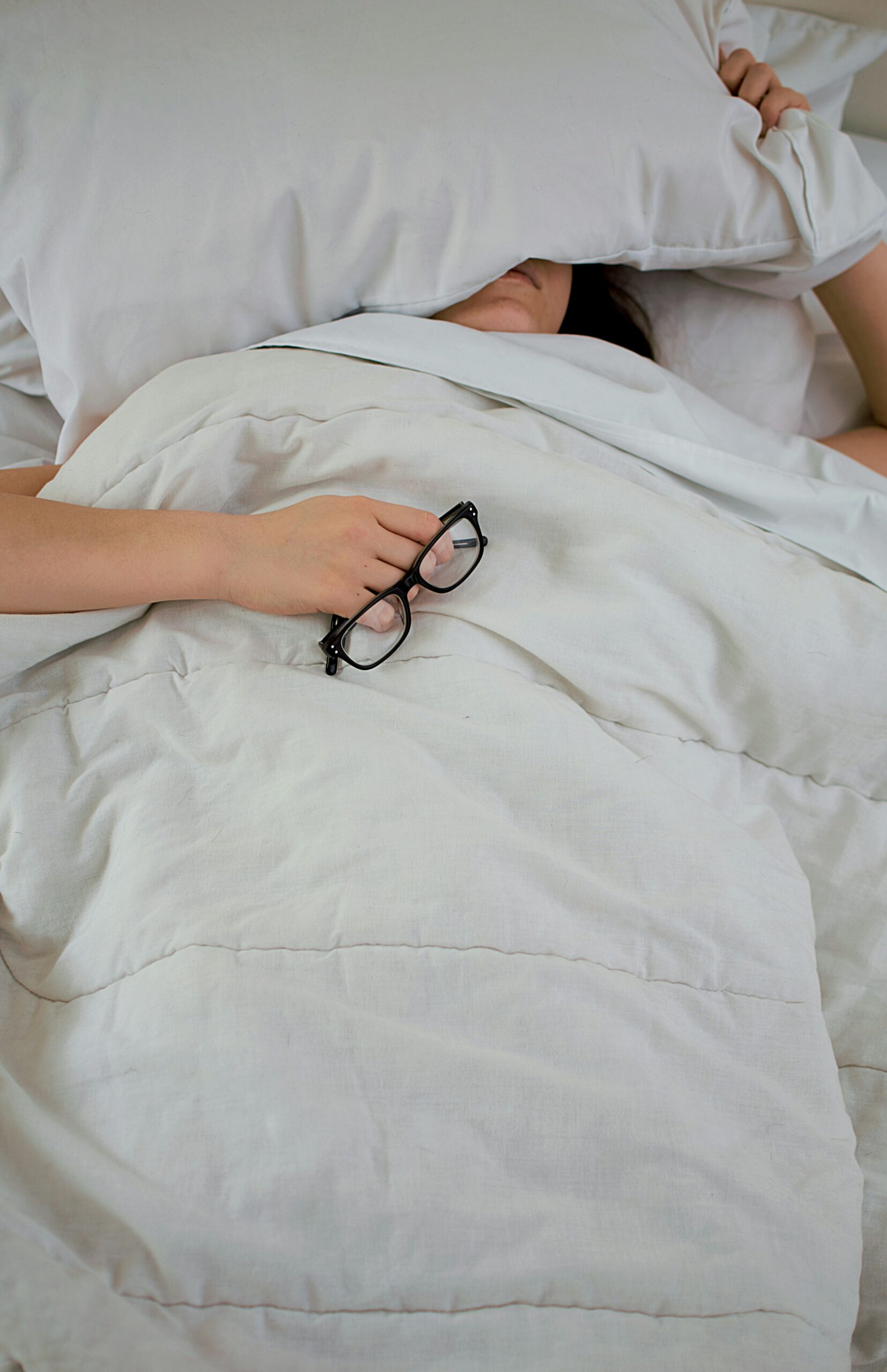
New research reveals troubling patterns in how much—and how well—Americans are sleeping, with significant implications for public health.
A comprehensive analysis of sleep patterns across the United States has uncovered a stark reality: millions of adults are falling short of the recommended seven to nine hours of rest per night, a trend that health experts warn is fueling a rise in chronic conditions ranging from cardiovascular disease to impaired cognitive function. The findings, based on data from the Centers for Disease Control and Prevention (CDC) and peer-reviewed studies, highlight a public health challenge that touches every age group and socioeconomic bracket.
According to the CDC, more than one in three American adults report getting insufficient sleep—defined as fewer than seven hours per night. This figure has remained stubbornly stable over the past decade, despite growing awareness of sleep’s role in overall wellness. Among adolescents, the problem is even more acute: roughly 60 percent of high school students say they sleep fewer than eight hours on school nights, well below the 8–10 hours recommended by the American Academy of Sleep Medicine.
The Roots of the Problem
Experts attribute the widespread sleep deficit to a combination of modern lifestyle factors. “We’ve engineered sleep out of our lives,” says Dr. Rebecca Robbins, a sleep researcher at Harvard Medical School. Screen time plays a central role. The blue light emitted by phones, tablets, and laptops delays the body’s production of melatonin, the hormone that signals bedtime. Late-night scrolling, social media consumption, and binge-watching have become bedtime rituals that erode restorative sleep.
Work schedules compound the issue. Shift workers—who make up roughly 20 percent of the global workforce—face particular challenges, as their internal biological clocks conflict with the demands of night or rotating shifts. Even standard 9-to-5 workers are affected: a 2024 survey by the National Sleep Foundation found that more than 40 percent of respondents reported checking work emails within an hour of going to bed.
Financial stress and mental health also play a role. Rising housing costs, inflation, and job insecurity keep millions lying awake, caught in a cycle where anxiety diminishes sleep and poor sleep worsens anxiety.
The Human Cost
The consequences of chronic sleep deprivation extend far beyond daytime drowsiness. Research links insufficient sleep to a 48 percent increased risk of developing coronary heart disease and a 15 percent higher risk of stroke. The National Highway Traffic Safety Administration estimates that drowsy driving causes over 6,000 fatal crashes annually in the U.S.
Jessica Morales, a 34-year-old teacher from Phoenix, Arizona, knows the toll firsthand. “I was averaging about five hours a night for two years,” she says. “I thought I was just busy. Then I started having memory lapses and falling asleep at red lights. My doctor said my blood pressure was dangerously high.” After committing to a sleep hygiene regimen—consistent bedtimes, no screens in the bedroom, and limiting caffeine after 2 p.m.—Morales now reports seven hours of quality sleep and a return to normal blood pressure.
What Can Be Done
Public health officials are calling for broader action. The CDC promotes cognitive behavioral therapy for insomnia as a first-line treatment, emphasizing that sleep aids should be a last resort. The American Academy of Sleep Medicine recommends three practical steps:
- Consistent schedule: Go to bed and wake up at the same time every day, even on weekends.
- Dark, quiet, cool bedroom: Keep temperature between 60–67°F (15–19°C) and eliminate light sources.
- Screen curfew: Stop using electronic devices at least 30 minutes before bed.
Employers are also being urged to adopt sleep-friendly policies, such as limiting after-hours communications and offering flexible schedules to align with employees’ natural chronotypes.
The Broader Picture
Improving population-level sleep health could yield enormous dividends. The Rand Corporation estimates that insufficient sleep costs the U.S. economy up to $411 billion annually in lost productivity, increased healthcare expenses, and workplace accidents. Countries like Japan and South Korea have launched national sleep campaigns, and some Scandinavian schools have experimented with later start times, reporting improved academic performance and reduced absenteeism.
As the data makes clear, sleep is not a luxury—it is a biological necessity. For millions of Americans, reclaiming it may require both personal discipline and systemic change. The evidence is in, and the message is plain: waking up to sleep’s importance could save lives.