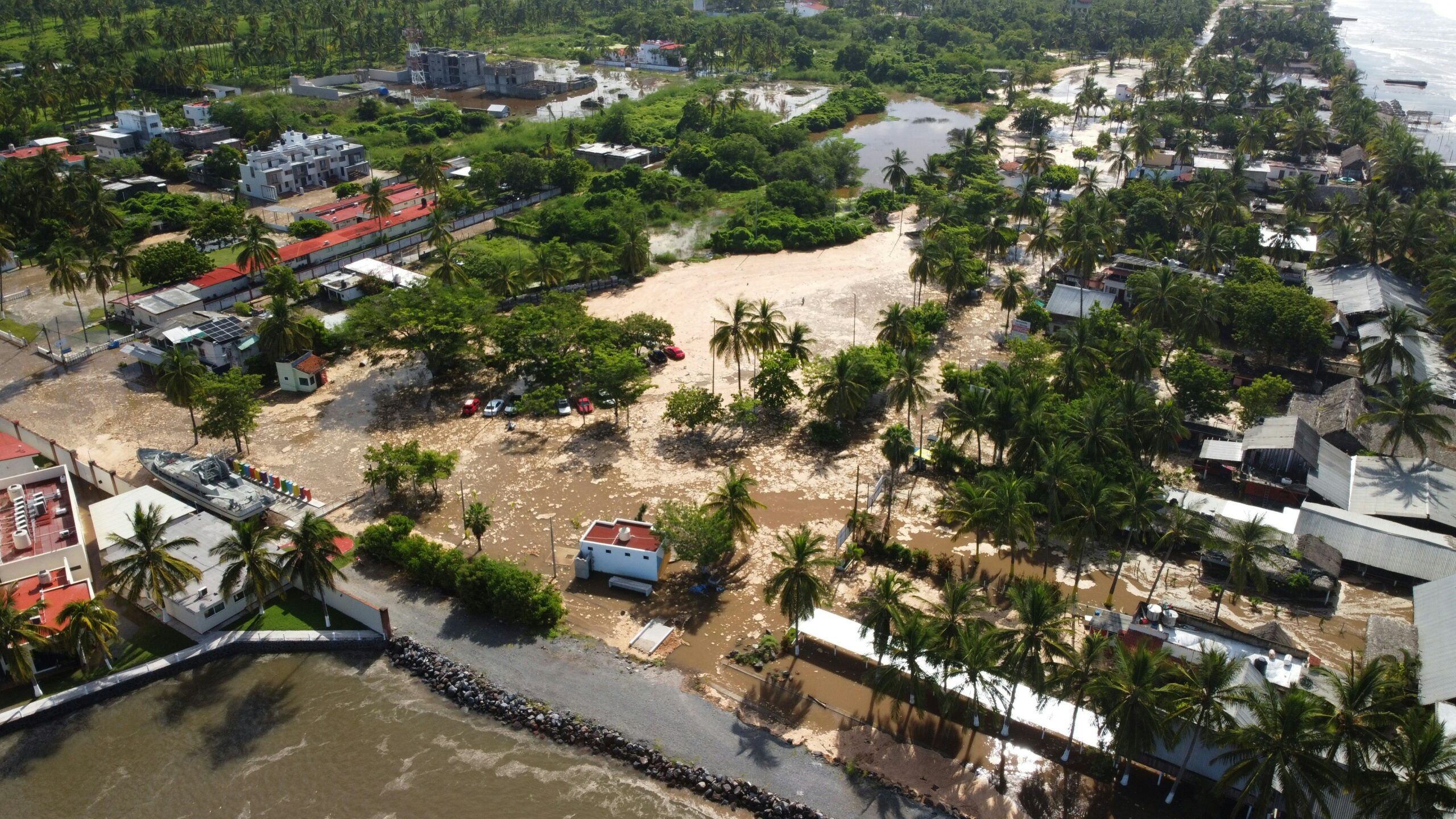
Strongest tidal surge in decades forces mass evacuations and alerts infrastructure operators across critical regions tonight.
A severe confluence of low pressure, exceptionally high tides, and powerful northerly winds is poised to deliver the most significant storm surge to the English coastlines in more than 60 years. Emergency services and environment agencies have launched widespread preparations, triggering immediate mass evacuations across vulnerable coastal towns, particularly in parts of Norfolk, Suffolk, Essex, and Kent. Authorities are urging residents to comply with mandatory evacuation orders as the peak threat period approaches between 9 PM tonight and 3 AM tomorrow morning, warning that water levels could breach sea defenses and cause potentially fatal inundation.
Coastal Defenses Tested
The Environment Agency has issued dozens of severe flood warnings, indicating a direct threat to life and property. Forecasters anticipate water levels potentially exceeding those recorded during the devastating North Sea flood of 1953, though modern defenses offer a significantly higher degree of protection. However, the sheer volume and speed of the incoming water mass, driven southwards down the North Sea funnel, present a clear risk of overwhelming certain low-lying areas.
“This is not a drill; the danger is immediate and profound,” stated a spokesperson for the Environment Agency earlier today. “While billions have been invested in upgraded sea walls and barriers since the mid-20th century, the projected height of this surge means that breaches are highly likely in unprotected or weak spots.”
Key infrastructure is on high alert. Operators of the Thames Barrier in London confirmed the structure would be closed as a defensive measure, even though the primary impact is forecast for areas further north and east. Transport networks—including major rail lines connecting London to the east coast and international shipping lanes—are facing significant disruption. Several major ports have halted operations preemptively.
Mandatory Evacuations Underway
Local police and military assistance have been mobilized to enforce mandatory evacuation orders in designated zones. Thousands of residents are being directed to rest centres established away from the coastline. The priority zones include towns surrounding the Wash, low-lying areas near Great Yarmouth, and estuary communities susceptible to back-flow flooding.
Experts highlight that the danger stems from the combination of astronomical high tide and the meteorological surge—a phenomenon where low atmospheric pressure physically draws the sea level upward, while strong winds pile the water against the shore.
Key areas facing maximum impact include:
- Coastal floodplains in Northern Norfolk (e.g., Wells-next-the-Sea).
- Estuary towns along the Essex coast.
- Low-lying areas bordering the Suffolk Broads.
Coastal inhabitants are advised to take only necessary documents, medicine, and warm clothing, and head immediately to designated safe zones or high ground as directed by local councils.
Climate Context and Future Preparedness
While no single weather event can be definitively ascribed to climate change, climatologists note that rising baseline sea levels globally exacerbate the threat posed by these surges, making future extreme events more dangerous. This immediate incident serves as a stark reminder of the continuous need for investment in coastal resilience and updated emergency protocols, particularly given the large population density along the UK’s eastern seaboard.
The situation remains dynamic, and authorities emphasize the importance of monitoring official channels (Environment Agency, BBC weather updates) throughout the evening. Recovery efforts may take days or weeks once the immediate threat passes, focusing first on restoring utilities and assessing damage to housing stock. Britons are reminded that cooperation and adherence to official safety instructions are paramount to saving lives during this severe weather episode.