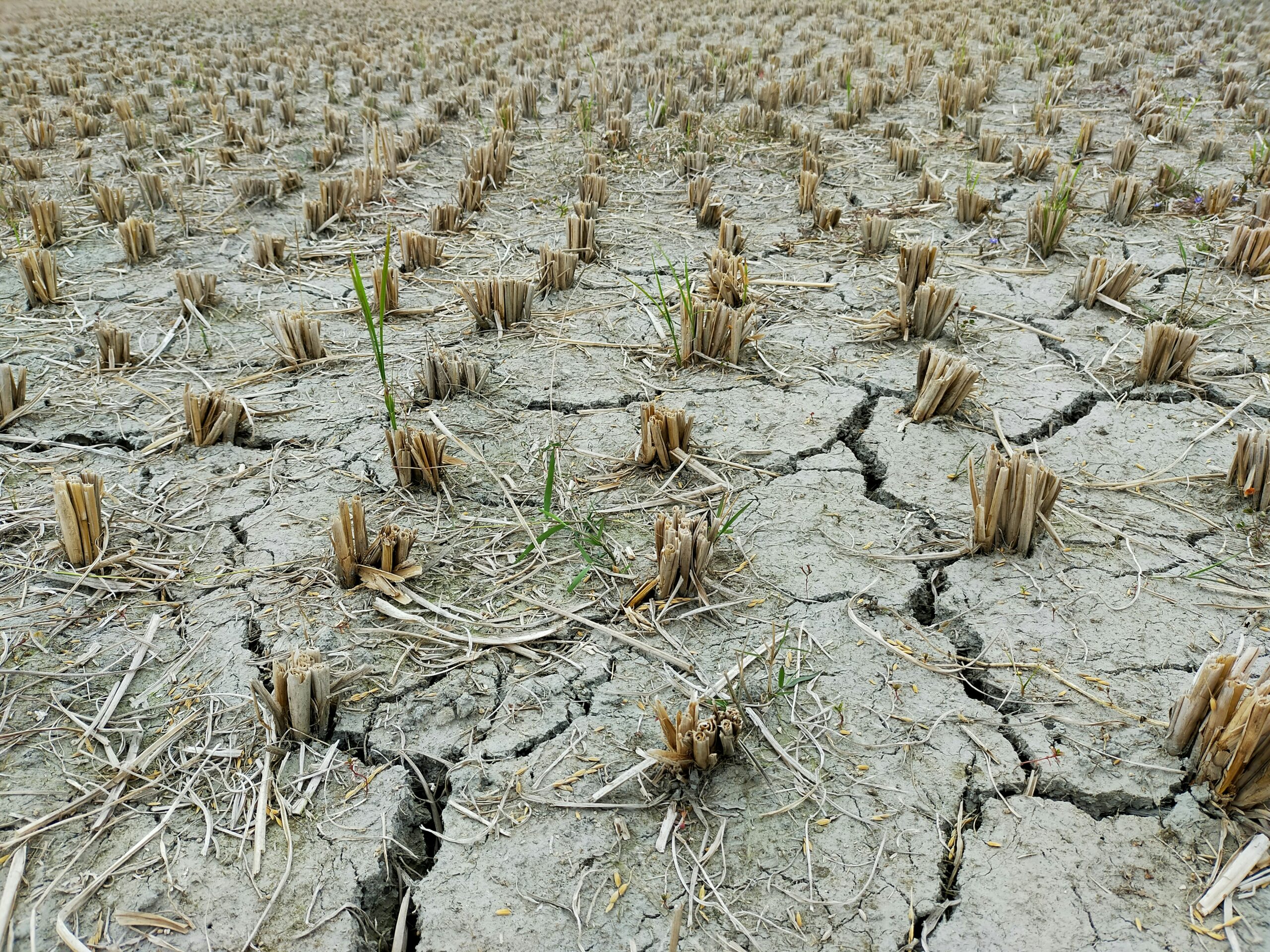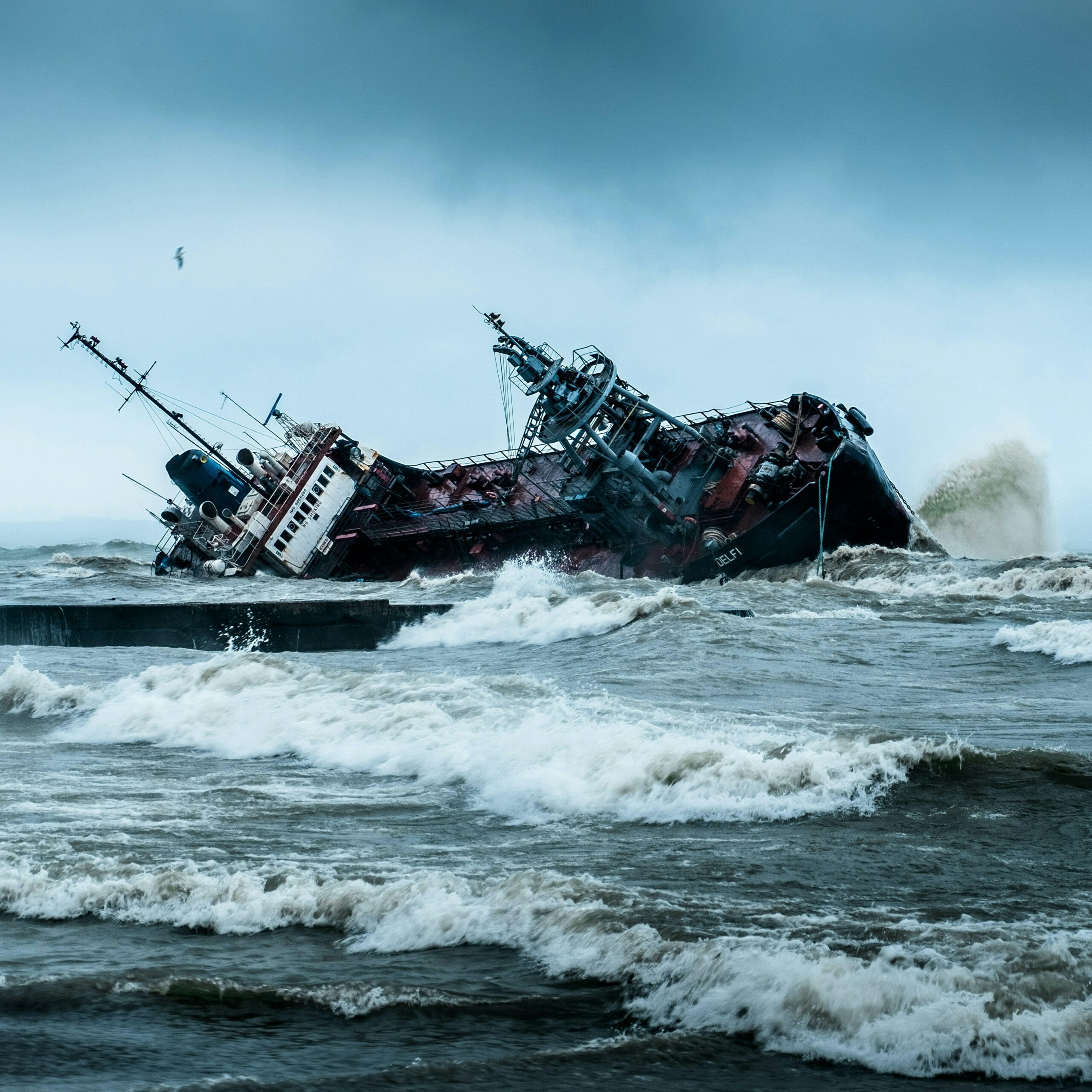
For hundreds of miles along the sapphire coastline, the waves once whispered of prosperity. Today, they carry a toxic secret. In a slow-motion environmental catastrophe unfolding off the coast of [Country/Region], the rusting hulk of the MV [Ship Name]—a 20-year-old cargo vessel that sank in [Month, Year]—has become a ticking time bomb. The ship, which was carrying an estimated 4,000 tons of phosphate rock, lies on the seabed just 5 nautical miles from a critical marine protected area, leaching a deadly compound into the water that threatens the health of 1.2 million people and the livelihoods of 40,000 fishermen.
The Day the Ocean Turned White
On the morning of [Date], the sky was clear. Then, the [Ship Name]’s distress call crackled over the radio. Within hours, the 180-metre vessel had plunged to the bottom of the [Name] Strait. Initial fears focused on fuel spills. The real crisis, however, began three days later when local fishermen reported seeing a strange, milky-white plume spreading from the wreck. Tests confirmed the worst: the cargo of phosphate—a mineral rich in fluoride and heavy metals—was reacting with seawater.
“We saw dead fish floating on the surface in a perfect circle,” said fisherman [Name], 47, who has worked these waters for three decades. “The government told us not to worry. But our nets have been empty for eight weeks now. My son can’t go swimming because of the sores on his legs.”
The Science of a Slow Poison
Phosphate ore is not inherently lethal in solid form, but when submerged, it undergoes a process called chemical leaching. As seawater seeps into the ship’s cracked holds, it dissolves the rock, releasing a cocktail of fluoride, cadmium, and uranium isotopes into the water column.
Recent data from the [National Oceanic Institute] shows that fluoride levels at the wreck site are 340% above the World Health Organization’s safety threshold for marine environments. Dr. [Expert Name], a marine toxicologist who visited the site last month, described the situation as a “chronic toxic plume.”
“This isn’t an oil spill where you can skim the surface,” Dr. [Expert Name] explained. “This is a submarine mine tailings dump that is reloading itself with every tide. The metals bind to plankton, enter the food chain, and concentrate upward. We are talking about neurological damage in children and severe bone disease in adults who consume local seafood.”
Economic Ripples and a Broken Trust
The human cost is not just biological—it is economic. The local fishing industry, which earlier this year produced over 200,000 tonnes of catch, has seen a 60% drop in landings since the wreck. The government has imposed a fishing ban within a 15-kilometre radius, but without compensation, families are starving.
“I used to earn $300 a week,” said [Name], a fishmonger in the port of [Town]. “Now I sell vegetables. But people are afraid to buy from me because they think everything from the coast is poisoned.”
A recent survey by [University] found that 72% of residents in the region have stopped eating locally caught fish, while 40% report skin rashes or respiratory issues they attribute to the water. The economic damage is estimated at $12 million per month.
Why the Ship is Still There
Despite international salvage companies offering to remove the wreck for an estimated cost of $18 million, the government has stalled. Officials cite legal disputes over insurance liability, the risk of cracking the hull during removal, and a lack of technical capacity. Meanwhile, the ship is bleeding toxins at an accelerating rate.
Environmental groups have called for a state of emergency. “Every day we wait, we are mortgaging the health of an entire generation,” said [Name] of [NGO]. “The technology to cap this wreck exists. What is missing is political will.”
What Happens Next: A Precedent for the Planet
This wreck is not an isolated event. With global shipping of hazardous materials increasing by 12% annually, experts warn that similar disasters are inevitable. The [Country/Region] wreck has become a test case for how nations respond to subsea chemical pollution.
Next month, the [International Maritime Organization] will review new guidelines for shipping phosphate and other bulk reactive cargoes. But for the 40,000 fishermen and their families, the future has already arrived—and it is seeping through the seafloor.
Actionable Takeaways for Readers:
- Check your seafood origin: Consumers should verify that imported fish from affected regions comes from certified unpolluted zones.
- Support salvage funds: NGOs are raising money for independent environmental monitoring until the government acts.
- Demand cargo disclosure: Advocate for stronger international laws requiring real-time manifests for toxic bulk cargoes on shipping routes.
The [Ship Name] is a silent wreck. But the alarm it sounds should echo in every port, every boardroom, and every parliament—before the next ship goes under, taking more than just cargo with it.