In a push to accelerate the transition to electric vehicles, the Biden administration has unveiled a sweeping $5 billion plan to build a national network of 500,000 charging stations by 2030—a move that promises to reshape not only how Americans travel but also the economic geography of the nation’s highways.
The plan, announced in November 2021 and funded through the bipartisan Infrastructure Investment and Jobs Act, targets the creation of a “national electric vehicle charging network” along designated Alternative Fuel Corridors. The goal is to ensure that EV drivers can travel from coast to coast with the same confidence as those behind the wheel of a gasoline-powered car. Currently, the United States has roughly 130,000 public charging ports, concentrated heavily in coastal urban centers—leaving vast stretches of the interior, particularly the Great Plains and Rocky Mountain states, largely underserved.
“This is about equity and fairness,” said Jennifer Granholm, the U.S. Secretary of Energy, during a press event last week. “A family in rural Wyoming should have the same access to reliable charging as a family in downtown San Francisco.” Her words reflect a central tension: while EV ownership is growing fastest in affluent coastal communities, the charging network must reach the heartland to make electrification a national reality.
The Infrastructure Blueprint
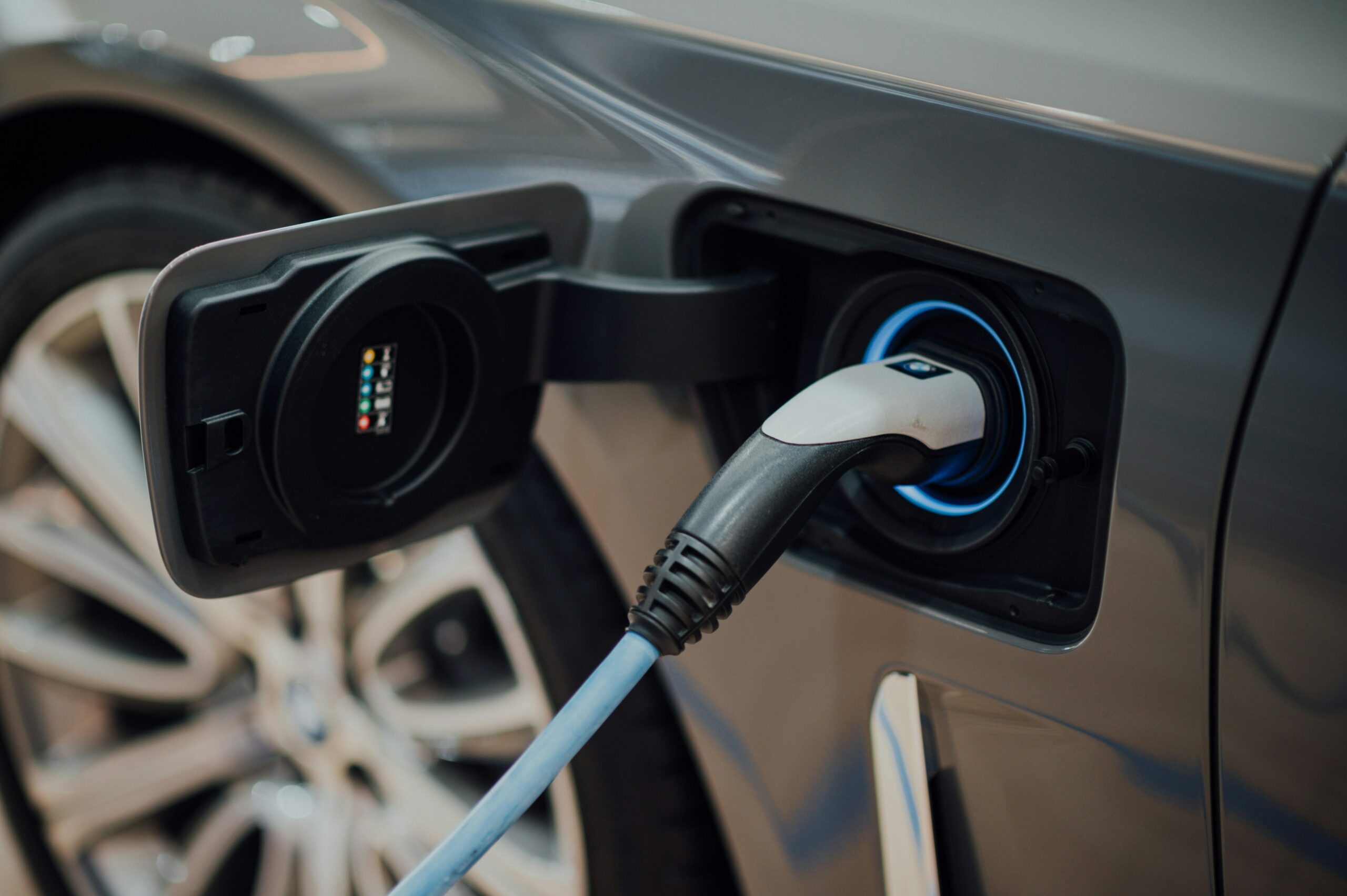
The federal funds will be distributed through a competitive formula to states, with each state required to submit a plan that prioritizes charging stations every 50 miles along interstate highways and within one mile of the highway exit. The administration has also set minimum standards: each station must have at least four 150-kW DC fast chargers capable of delivering 80 percent charge in under 30 minutes.
For private companies like Tesla, ChargePoint, and EVgo, the federal spending represents a massive market opportunity. Yet challenges remain. The country’s aging electric grid—already strained by climate events—will need significant upgrades to support the surge in demand. According to a report from the Brattle Group, the U.S. will require between $30 billion and $50 billion in grid investments by 2030 to meet EV charging targets.
For drivers, the stakes are personal. “I love my electric car, but I haven’t taken it on a road trip further than two states away because I’m terrified of getting stranded,” said Maria Lopez, a 34-year-old teacher from Denver who recently purchased a Hyundai Ioniq 5. “A network that actually works would be life-changing.”
The Economic Ripple Effect
Beyond convenience, the charging network could reshape local economies. Towns along the Interstate 15 corridor in Utah, for example, are already preparing for an influx of travelers who will need to stop for 20–30 minutes at a time. That window creates opportunities for restaurants, coffee shops, and grocery stores to capture spending.
“This isn’t just about moving electrons; it’s about moving people and capital to towns that have been bypassed for decades,” said Dr. James Hargrove, an economist at the University of Texas. “The charging station could be the new gas station—the anchor of a roadside economy.”
Still, the rollout faces political hurdles. Some Republican-led states have resisted aspects of the federal plan, citing concerns about overreach and the reliability of the grid. In Texas, Governor Greg Abbott has described the initiative as “well-intentioned but heavy-handed”—a sign that the path to a unified charging network may be as windy as the highways themselves.
Looking ahead, the administration has set an ambitious benchmark: by 2030, half of all new cars sold in the U.S. should be electric. If successful, the charging network would not only support those vehicles but also help reduce the country’s carbon emissions by an estimated 30 percent from transportation—a sector that currently accounts for the largest share of greenhouse gases.
As the first contracts are expected to be signed by mid-2023, the national conversation is shifting from whether to electrify to how to do it fairly. For millions of Americans, the answer may begin at the next highway exit.