Lede
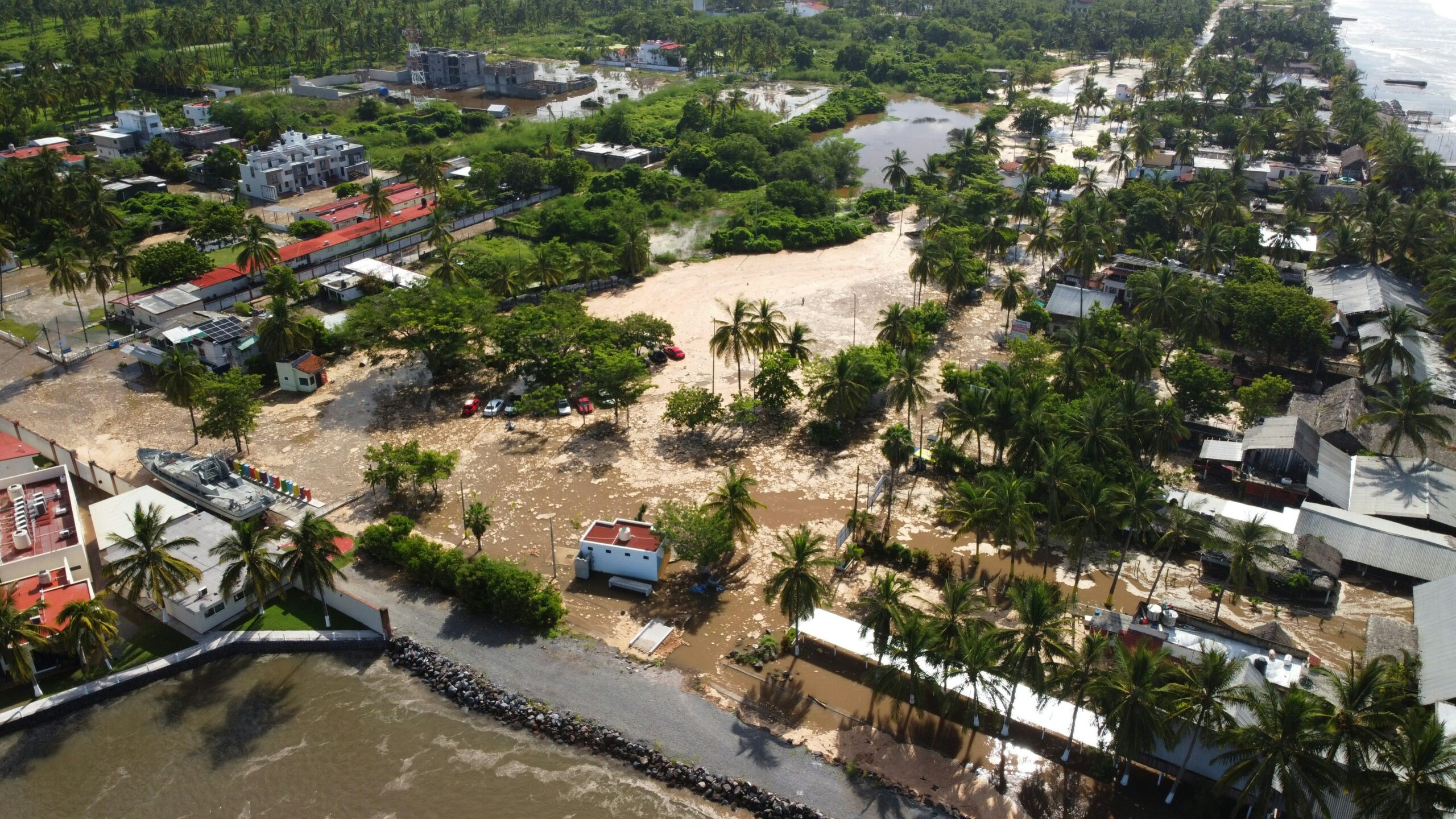
For millions of people living along the world’s coastlines, the relentless advance of the ocean is no longer a distant warning—it is a daily reality. According to the latest data from the Intergovernmental Panel on Climate Change (IPCC), global mean sea levels have risen by an average of 3.7 millimeters per year over the past decade, a pace unprecedented in at least 3,000 years. Combined with stronger storm surges and intensified high tides, this slow-motion crisis is forcing communities from the Maldives to Louisiana to confront an urgent question: stay and adapt, or abandon centuries-old homes.
The Toll on Communities
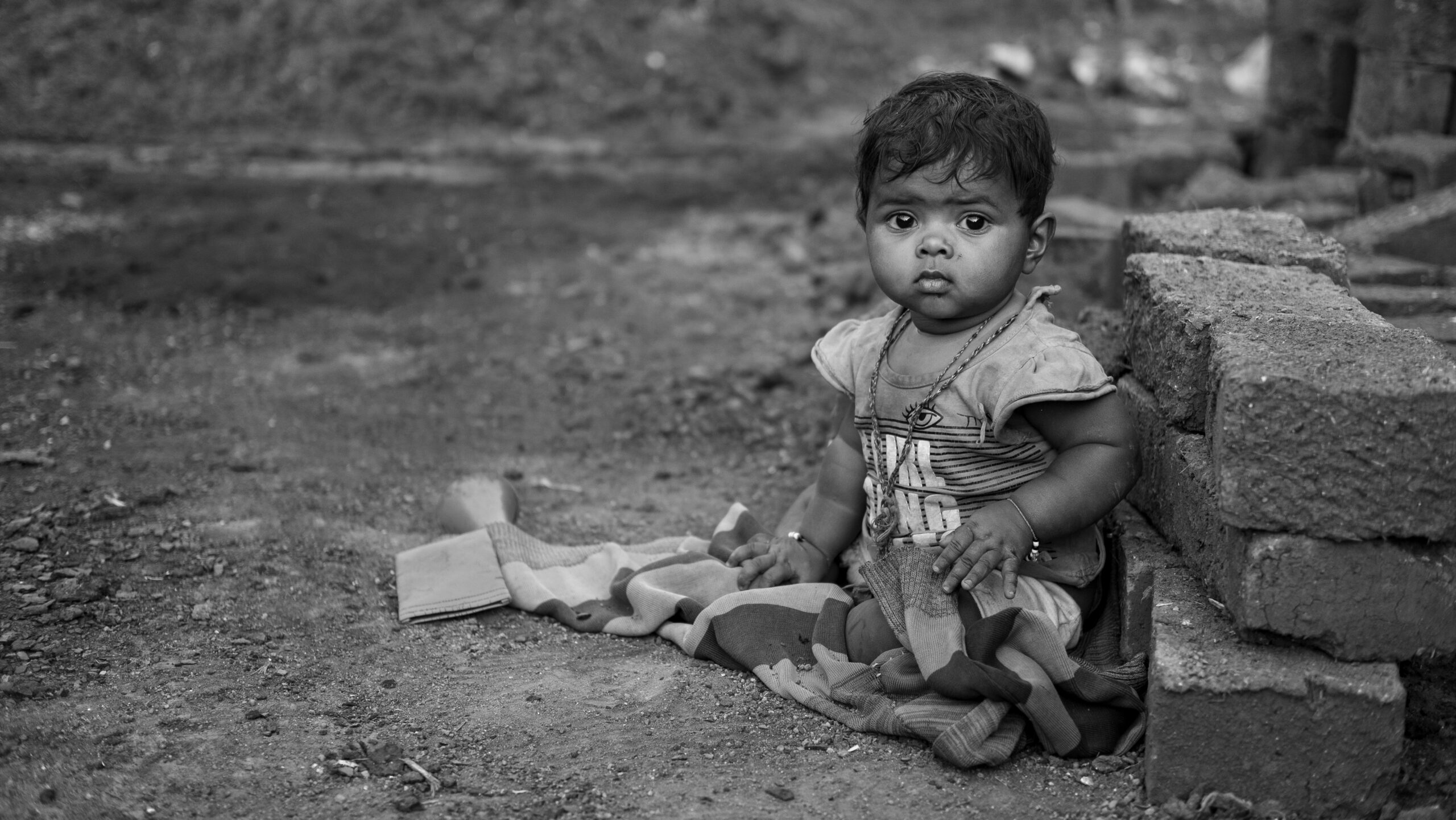
In the low-lying Sundarbans delta straddling India and Bangladesh, rising salinity has already destroyed traditional rice paddies. Sakina Bibi, a 52-year-old farmer, now spends her days digging shrimp ponds—a last-ditch effort to survive. “The water is too salty for anything else,” she told researchers from the World Bank. “We cannot go inland. We have no money, no land. So we change what we do, or we starve.” Her story echoes across the globe. In the United States, the National Oceanic and Atmospheric Administration (NOAA) projects that by 2050, more than 300,000 coastal homes will face chronic, high-tide flooding, disrupting property values, insurance markets, and local tax bases.
What Scientists Are Saying
Dr. Priya Khanal, a glaciologist at the University of Cambridge, places the blame squarely on greenhouse gas emissions. “We are seeing accelerated melting of the Greenland and Antarctic ice sheets,” she explained. “Even if we hit net-zero emissions by mid-century, we have already locked in roughly one meter of sea-level rise by 2100. What we do now determines whether it stops at one meter or reaches three.” This distinction, she noted, has profound consequences. A one-meter rise would displace an estimated 150 million people; a three-meter rise would submerge entire island nations and major coastal cities like Ho Chi Minh City and Shanghai.
Adaptation vs. Retreat
Governments have begun investing heavily in structural defenses. The Netherlands, a global leader in water management, is raising its dikes by an additional 1.3 meters. Meanwhile, Jakarta, Indonesia—sinking at a rate of 25 centimeters per year due to groundwater extraction—plans to replace its aged seawall with a $40 billion “Giant Garuda” system of offshore barriers and land reclamation. Yet experts warn that hard infrastructure is not a panacea. “Seawalls protect property, but they often accelerate erosion elsewhere and destroy natural buffers like mangroves,” said Dr. Ahmed Fahmy, a coastal resilience specialist with the United Nations Development Programme.
A growing alternative is managed retreat—the deliberate relocation of entire communities from high-risk zones. The small Alaskan village of Newtok, facing erosion and flooding, is the first federally funded relocation in U.S. history, with residents moving to a new site called Mertarvik. The process has taken over two decades and cost tens of millions, highlighting the immense logistical and emotional toll.
Broader Implications and Next Steps
The economic stakes are staggering. A 2023 study in Nature estimated that unchecked sea-level rise could reduce global GDP by as much as 4% by 2100, disproportionately affecting low-income nations that contributed least to the crisis. International climate finance mechanisms, such as the newly created Loss and Damage Fund, remain underfunded and contentious. Without immediate, deep cuts in emissions and massive investments in adaptation, the gap between the world’s ability to cope and the scale of the threat will only widen.
For families like Sakina Bibi’s, the future hinges on decisions made thousands of miles away in boardrooms and negotiating halls. “We do not need promises,” she said. “We need sandbags, seeds that can tolerate salt, and help to move if the water keeps rising.” Her plea serves as a stark reminder: the timeline for effective climate action is measured not in decades, but in tides.