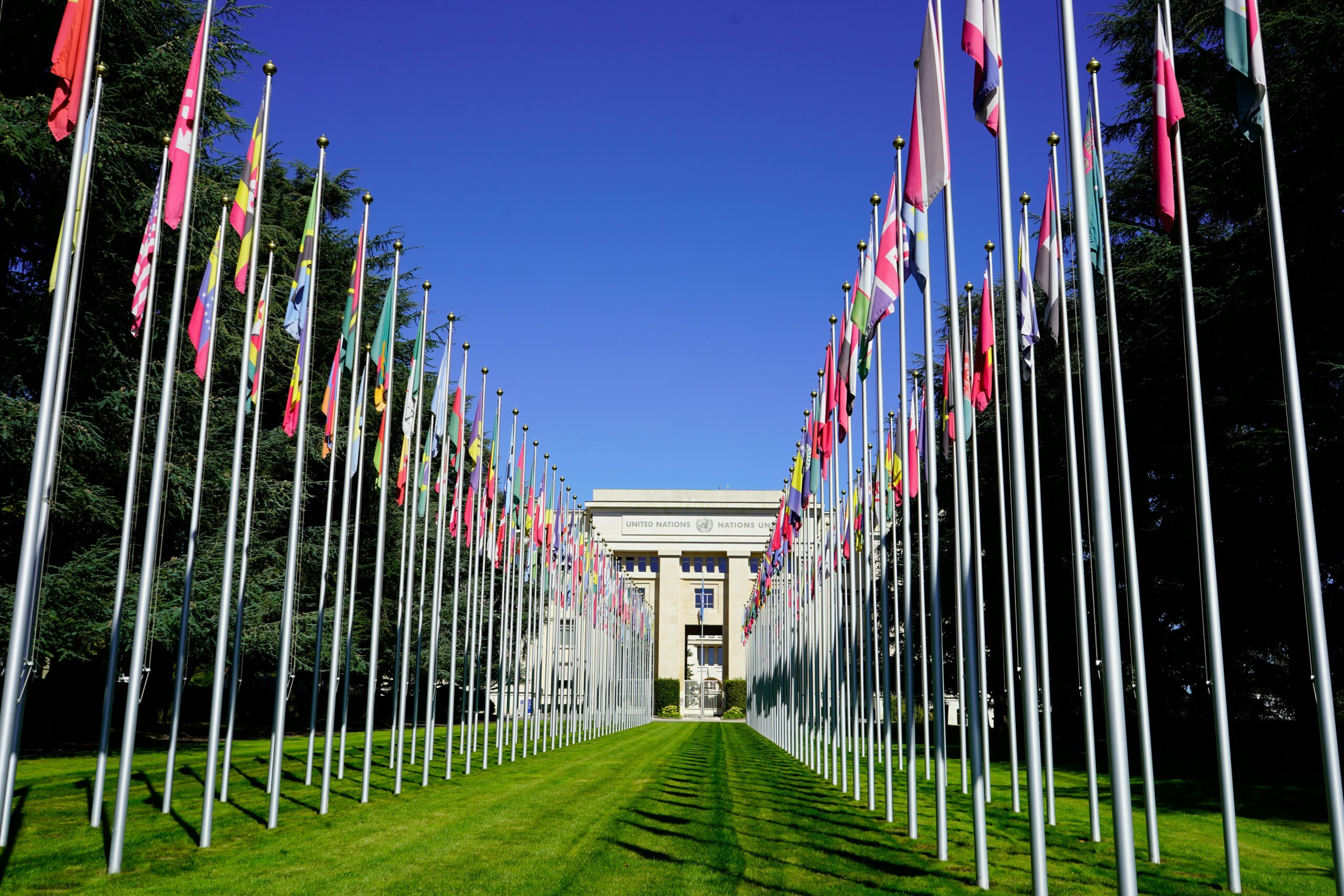
Diplomats from more than 190 countries have convened in Geneva to hammer out the world’s first-ever global treaty specifically addressing the development and use of artificial intelligence (AI), seeking a unified framework for safety, ethical deployment, and human rights protection. This monumental gathering, organized under the auspices of a leading international body, aims to establish minimum standards for AI governance before advanced systems become ubiquitous, reflecting urgent international concern over the technology’s accelerating capabilities and profound societal implications.
Rationale Behind the Urgent Global Framework
The push for a binding global agreement stems from the recognition that AI technologies, particularly large language models and generative systems, operate without regard for national borders, making localized regulation insufficient. Experts argue that self-regulation by technology companies has proven inadequate to address systemic risks, including algorithmic bias, mass disinformation, and the potential displacement of human labor.
“We are at a critical juncture,” stated Dr. Evelyn Reed, a digital ethics specialist attending the proceedings. “The speed of AI adoption has far outpaced our legal and ethical guardrails. Without a common baseline, we risk a fragmented regulatory landscape that allows harmful practices to flourish wherever oversight is weakest.”
The primary challenge delegates face is balancing innovation—maintaining the economic benefits derived from rapid AI development—with rigorous safeguards. Developing nations, in particular, are calling for provisions that ensure equitable access to AI benefits while preventing technological exploitation or the exacerbation of existing global inequalities.
Key Proposals Under Discussion
The draft treaty currently under negotiation outlines several non-negotiable principles intended to guide member states and corporations. Central to these discussions is the concept of “risk-based regulation.”
Under this proposed structure, AI applications would be categorized based on their potential to cause harm:
- Unacceptable Risk: Systems that manipulate human behavior in ways that bypass free will, or those used for widespread social scoring by governments, would be banned outright.
- High Risk: Applications affecting fundamental rights or safety—such as employment screening, critical infrastructure management, or medical diagnosis—would require mandatory independent auditing, rigorous transparency reporting, and human oversight.
- Minimal/Low Risk: General-purpose AI tools, like spam filters, would face minimal regulatory burdens.
Furthermore, the treaty addresses data training transparency, demanding clear documentation on the datasets used to train high-risk models, a step designed to combat systemic bias rooted in historical data inequalities. Data ownership and intellectual property remain heated topics, particularly how to compensate creators whose work is utilized by generative AI systems.
Addressing International Cooperation and Enforcement
While nearly universal consensus exists on the need for a treaty, enforcement mechanisms remain contentious. Unlike traditional arms control agreements, AI regulation involves millions of private enterprises and thousands of decentralized development teams.
One proposal gaining traction involves the creation of an independent monitoring agency, empowered to certify high-risk AI models against the agreed international standards before deployment. Countries that deploy non-certified, high-risk systems could face diplomatic or economic penalties.
The successful negotiation of this treaty is seen as a crucial test of multilateralism in the age of rapid technological change. If finalized, the agreement would likely take years to implement fully in domestic law, but its adoption would send a powerful signal, establishing a global norm that places human safety and ethical values above unchecked technological advancement. The Geneva talks are expected to conclude next month, with the final text anticipated to be ratified by signatory nations before the year’s end.