Houthi Attacks Imperil Global Shipping, Forcing Costly Route Diversions
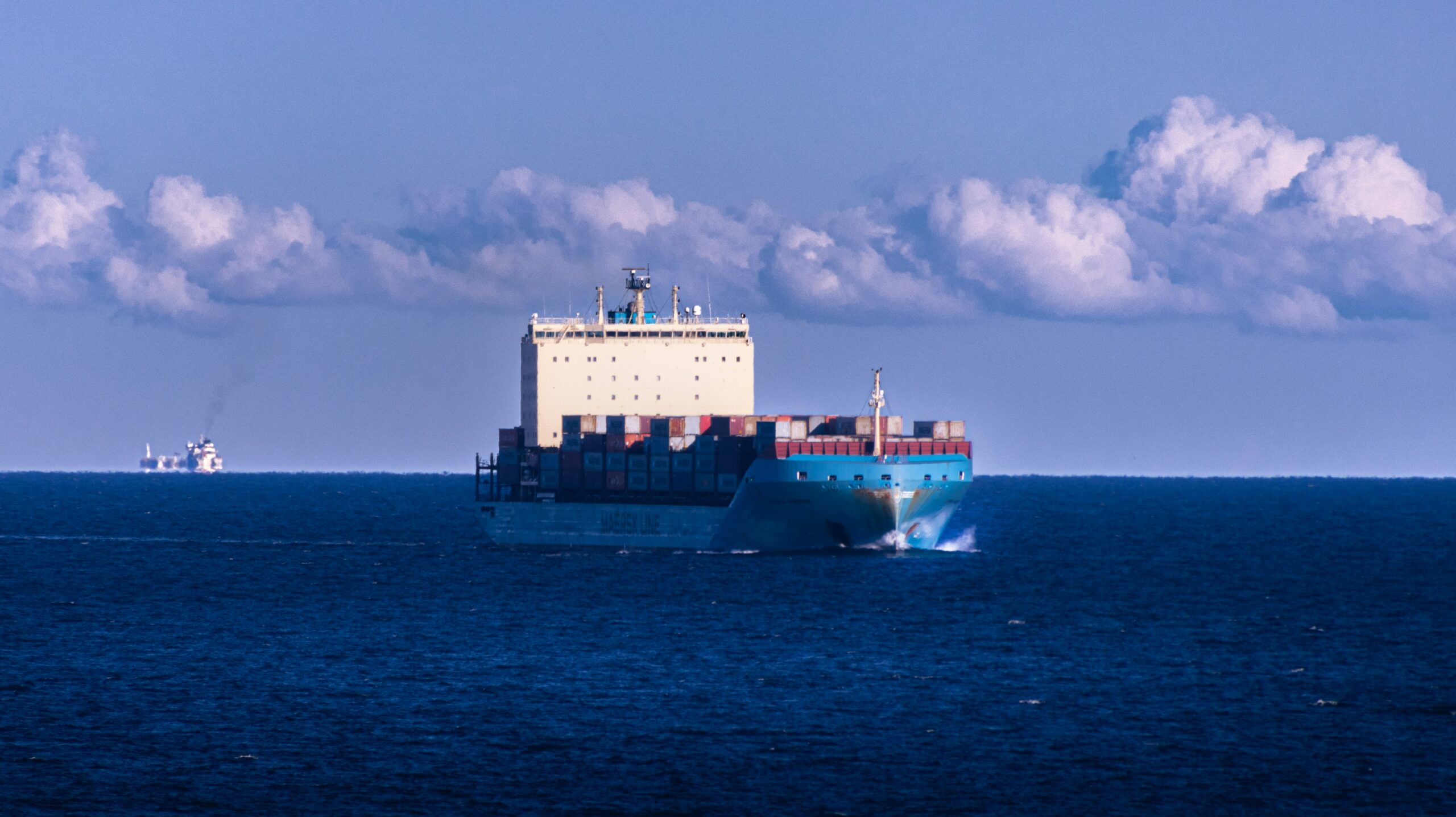
The critical artery of global maritime trade through the Red Sea and the Suez Canal is currently confronting an unprecedented threat, as repeated attacks by the Yemen-based Houthi group force major shipping lines to reroute vast numbers of container vessels around the southern tip of Africa. This dramatic shift, beginning late last year, is inflating international shipping costs, extending delivery timelines, and creating significant logistical strain across the global supply chain, according to major industry analysts and shipping giants like Maersk and Hapag-Lloyd.
The Strategic Chokepoint Under Fire
The region, encompassing the narrow Bab el-Mandeb strait, is one of the world’s most vital maritime chokepoints, typically facilitating the passage of roughly 12% of worldwide trade. Houthi militants, claiming solidarity with Palestine amidst the Gaza conflict, have intensified missile and drone attacks on commercial vessels they deem linked to Israel or its allies.
These pervasive security risks have rendered the lucrative, time-saving passage via the Suez Canal virtually untenable for many major carriers. Instead, companies are choosing the far longer, more fuel-intensive detour around the Cape of Good Hope—a diversion that adds approximately 3,500 nautical miles and between seven and 20 days to voyages between Asia and Europe, depending on the vessel speed.
“The calculus of risk has fundamentally changed,” explains Dr. Anya Sharma, a maritime security expert at the Royal Institute for International Affairs. “While the Suez route offers tremendous efficiency, the potential for catastrophic loss of life and cargo due to non-state actors is now judged to outweigh those gains. Companies are prioritizing safety and supply chain continuity, albeit at a higher operational cost.”
Economic Domino Effect
The immediate consequence of this geographical shift is a steep rise in freight and insurance premiums. Data shows that spot container rates on key Asia-Europe routes have surged significantly since the attacks escalated. The cost of insuring a ship traversing this newly high-risk zone has also skyrocketed.
Key Economic Impacts:
- Increased Transit Time: Longer routes delay the delivery of consumer goods, manufacturing components, and energy supplies globally.
- Higher Fuel Consumption: The extended journey around Africa requires vastly more bunker fuel, driving up operational expenses.
- Inflationary Pressure: Elevated freight costs are passed down the supply chain, potentially contributing to higher consumer prices for imported goods in Europe and North America.
- Schedule Reliability Degradation: Port congestion is becoming a concern as ships arrive off-schedule, disrupting global logistics planning.
Industries dependent on tight delivery schedules, such as automotive manufacturing (relying on just-in-time inventory) and fast fashion, are particularly vulnerable to these disruptions.
International Response and Future Outlook
In response to the deteriorating security situation, the United States, along with several allied nations, launched Operation Prosperity Guardian—a multinational naval task force aimed at protecting commercial shipping in the Red Sea. While the operation has successfully intercepted numerous Houthi projectiles, it has not yet fully deterred the ongoing attacks, highlighting the complexities of policing such vast, international waters against asymmetric threats.
For the near future, the Red Sea insecurity is expected to persist. Until a significant de-escalation occurs, the Cape of Good Hope detour is likely to remain the default route for a substantial portion of global container traffic. Companies are actively adjusting inventories, diversifying supply chains, and building buffer stocks to mitigate the ongoing uncertainty, suggesting that the current disruptions may continue to ripple through the global economy well into the next fiscal year. Stakeholders are urging immediate diplomatic solutions to restore freedom of navigation through the region.