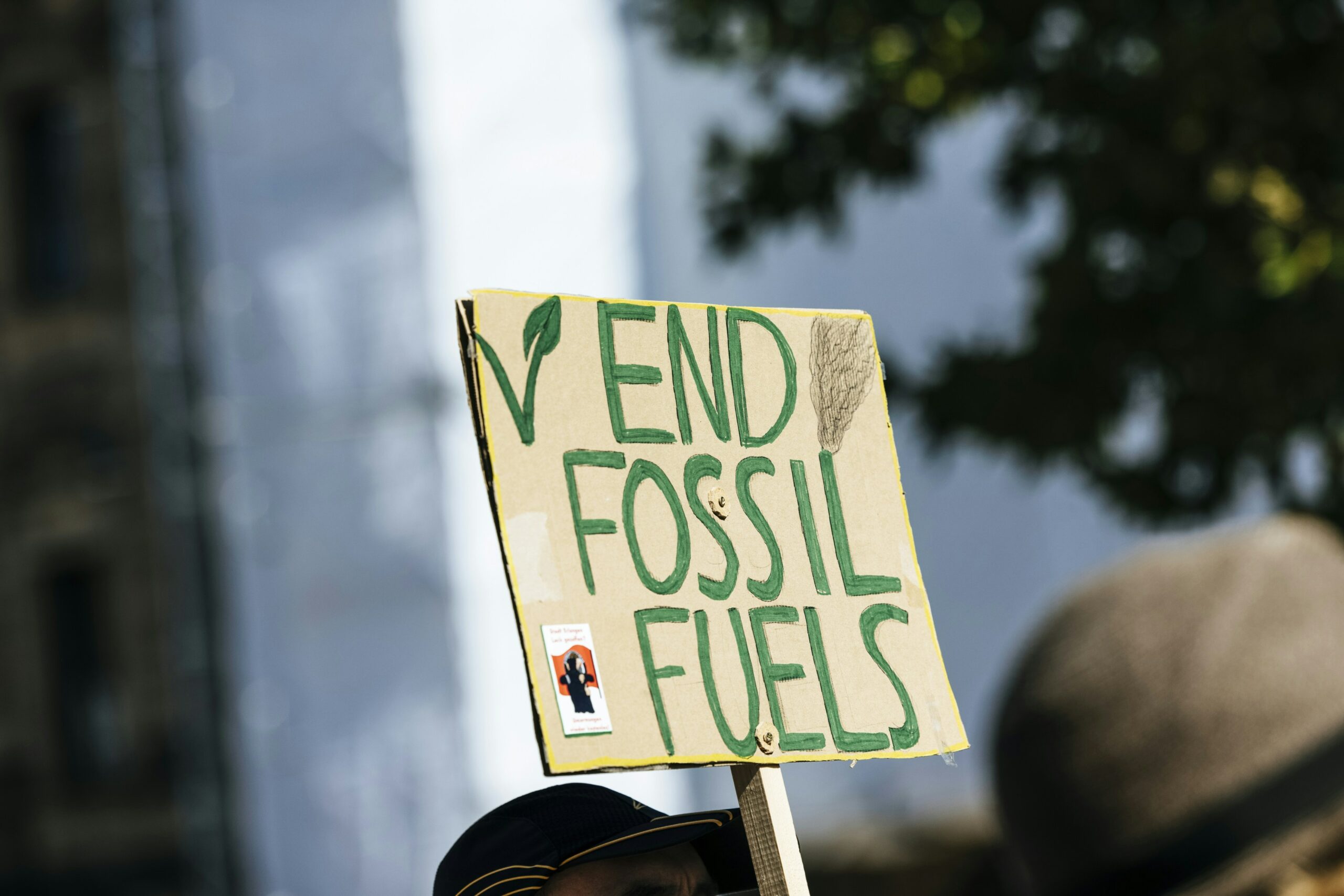
COP28 has concluded in Dubai with an agreement among nearly 200 nations to transition away from fossil fuels and accelerate climate finance, marking a significant step toward addressing the accelerating climate crisis. The consensus, reached after contentious negotiations in the United Arab Emirates, calls for substantially reducing emissions this decade and operationalizing the Loss and Damage Fund for vulnerable populations, though critics argue the text lacks a firm commitment to a complete phase-out of oil and gas.
The landmark accord commits countries to tripling renewable energy capacity globally and doubling the rate of energy efficiency improvements by 2030. Negotiators grappled with the definition of “transitioning away” from coal, oil, and gas, eventually adopting language that acknowledges the necessity of deep, rapid, and sustained emissions reductions in line with the 1.5-degree Celsius warming limit established by the Paris Agreement.
Focusing on Energy Transition and Finance
Central to the agreement is the recognition that achieving climate goals requires a dramatic shift in the global energy infrastructure. The text explicitly mentions the need to phase out inefficient coal power and halt new unmitigated coal investments. Furthermore, it encourages the development and deployment of zero- and low-emission technologies, including carbon capture, utilisation, and storage (CCUS), while stressing that these technologies should not hinder efforts to phase out fossil fuel use.
A major diplomatic breakthrough was the swift launch of the Loss and Damage Fund on the summit’s opening day. Designed to help developing countries that are particularly susceptible to the irreversible impacts of climate change—such as rising sea levels, extreme heat, and severe storms—the fund secured initial pledges totalling hundreds of millions of dollars. However, the exact governance, scale, and continuous funding mechanism remain subjects for ongoing discussion and replenishment.
Simon Stiell, Executive Secretary of UN Climate Change, hailed the agreement as pivotal, noting it sends a powerful signal that the world is united in its resolve to prevent catastrophic climate change. However, environmental advocacy groups expressed disappointment that the final language did not mandate a clear, time-bound cessation of fossil fuel production. They argue that maintaining the option for “transitional fuels” risks prolonging reliance on gas and liquids, which continue to drive global warming.
The Path Forward: National Commitments
The success of the COP28 agreement now rests heavily on the implementation of National Determined Contributions (NDCs). Countries must align their domestic climate strategies and investments with the global goal of tripling renewables and cutting emissions by approximately 43% by 2030, compared to 2019 levels. This requires considerable financial backing, particularly for emerging economies.
The agreement tasked countries with submitting new, more ambitious NDCs by COP30 in 2025. This process, known as the Global Stocktake, provides a crucial mechanism for reviewing collective progress toward the Paris Agreement goals and identifying areas where greater effort is required.
Economists and policy experts suggest that the next few years will define the success or failure of the commitments made in Dubai. Investment in clean energy infrastructure, technological innovation, and international cooperation will be paramount. As global temperatures continue to rise, the pressure on governments to transform rhetoric into quantifiable action remains intense, setting the stage for future climate negotiations and profound shifts in global energy policy.