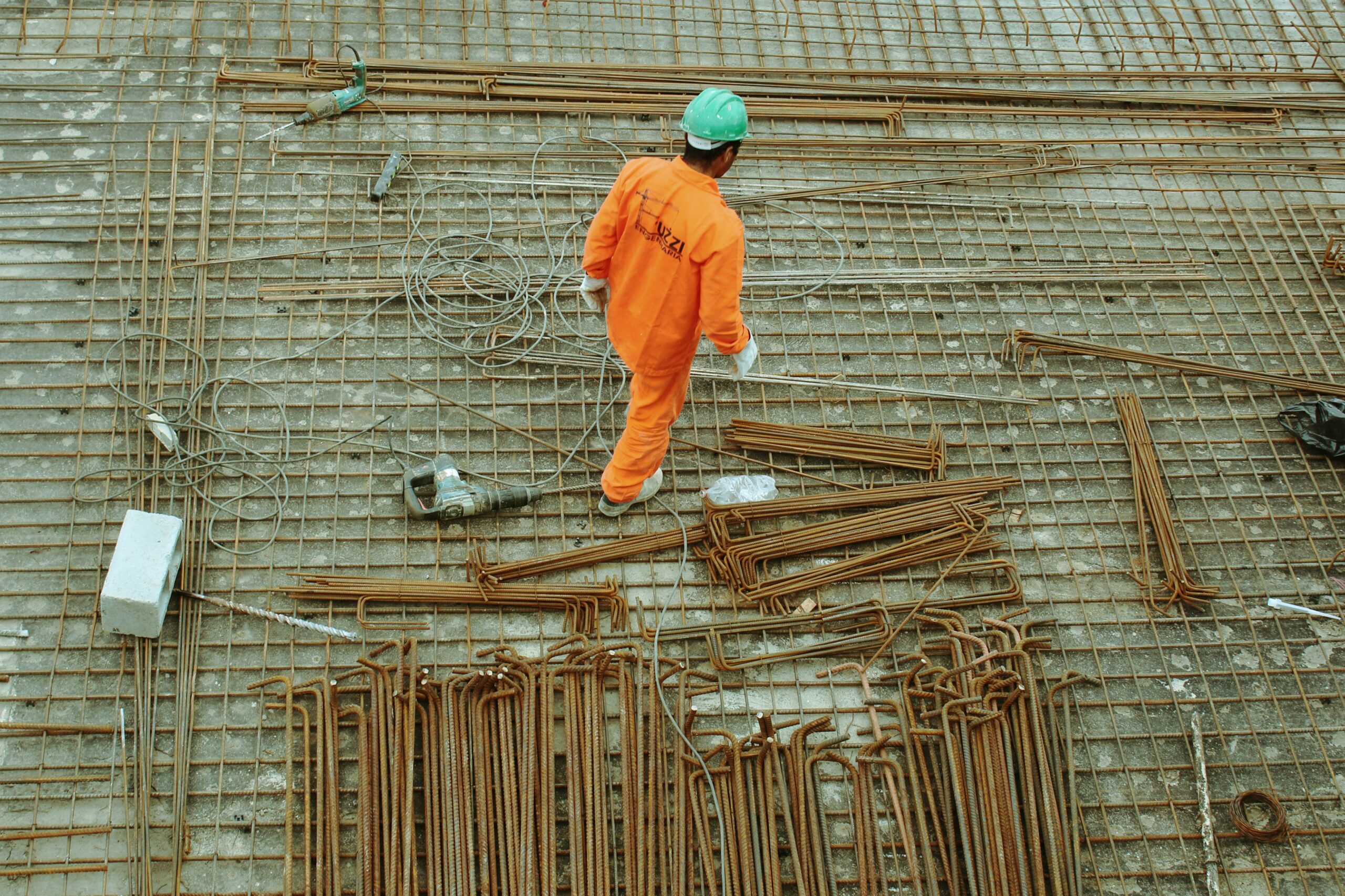
Unprecedented Heat Endangers Workers Worldwide, Fueling Economic Instability
Record-breaking heat waves across the globe are creating dangerously high levels of heat stress, posing significant risks to the health and safety of outdoor and indoor laborers while threatening to destabilize global economic productivity. As climate patterns shift, the intensity and frequency of these extreme temperatures are increasingly hindering work capacity in key sectors, raising urgent concerns for public health officials, employers, and policymakers alike.
The immediate impact of intense heat falls disproportionately on vulnerable workers, essential personnel in agriculture, construction, manufacturing, and delivery services who often lack adequate protection or cooling resources. Exposure to prolonged high temperatures not only increases the risk of heatstroke, dehydration, and exhaustion but also compromises cognitive function and manual dexterity, leading to a higher incidence of accidents and injuries. For many global South nations, where much of the workforce operates outdoors, this escalating thermal burden translates directly into lost working hours and compromised livelihoods, exacerbating existing economic inequalities.
Understanding the Economic Fallout
Experts estimate that the economic toll of heat-related productivity loss is mounting rapidly. Earlier this year, a report indicated that by 2030, global labor capacity lost to excessive heat could reach the equivalent of 80 million full-time jobs, a conservative projection that does not account for the cascading effects on supply chains and infrastructure. In regions historically accustomed to milder climates, such as parts of North America and Europe, the lack of infrastructure designed to withstand sustained extreme heat further amplifies the challenge, leading to disruptions in transportation, energy grids, and manufacturing output.
“The notion that heat stress is merely a discomfort is dangerously outdated,” says Dr. Anya Sharma, an environmental health specialist focused on occupational safety. “It is a fundamental barrier to economic development. When workers cannot safely perform their duties—whether laying crucial utility lines or picking crops—the entire system falters. Employers must shift from viewing cooling as a luxury to classifying it as a mandatory health and safety investment.”
Mitigation Strategies for a Hotter World
Addressing this complex challenge requires a multi-pronged approach combining legislative action, technological adaptation, and behavioral changes. Governments are increasingly urged to mandate and enforce national occupational heat standards, defining safe working temperatures and requiring mandatory rest breaks, access to shade, and hydration protocols.
For businesses seeking to protect their employees and maintain operational continuity, several actionable strategies are proving effective:
- Adjusting Work Schedules: Shifting the main work hours to cooler, non-peak times (early morning or late evening) dramatically reduces peak exposure.
- Implementing ‘Wet Bulb Globe Temperature’ (WBGT) Monitoring: This measure, which accounts for temperature, humidity, wind speed, and solar radiation, provides a more accurate assessment of actual thermal stress than simple air temperature readings.
- Investing in Cooling Technologies: Providing personal protective equipment (PPE) designed to lower core body temperature, installing industrial-grade air conditioning, and creating dedicated cooling or hydration stations are essential.
Failure to proactively address heat stress has significant long-term implications, extending beyond immediate health concerns to include chronic health conditions linked to heat exposure, reduced educational attainment due to school closures, and increased migratory pressures. As the climate continues to warm, ensuring labor sustainability and protecting the fundamental right to safe work must become a central pillar of global climate adaptation efforts. This protection not only safeguards human life but is also critical for supporting enduring economic resilience worldwide.