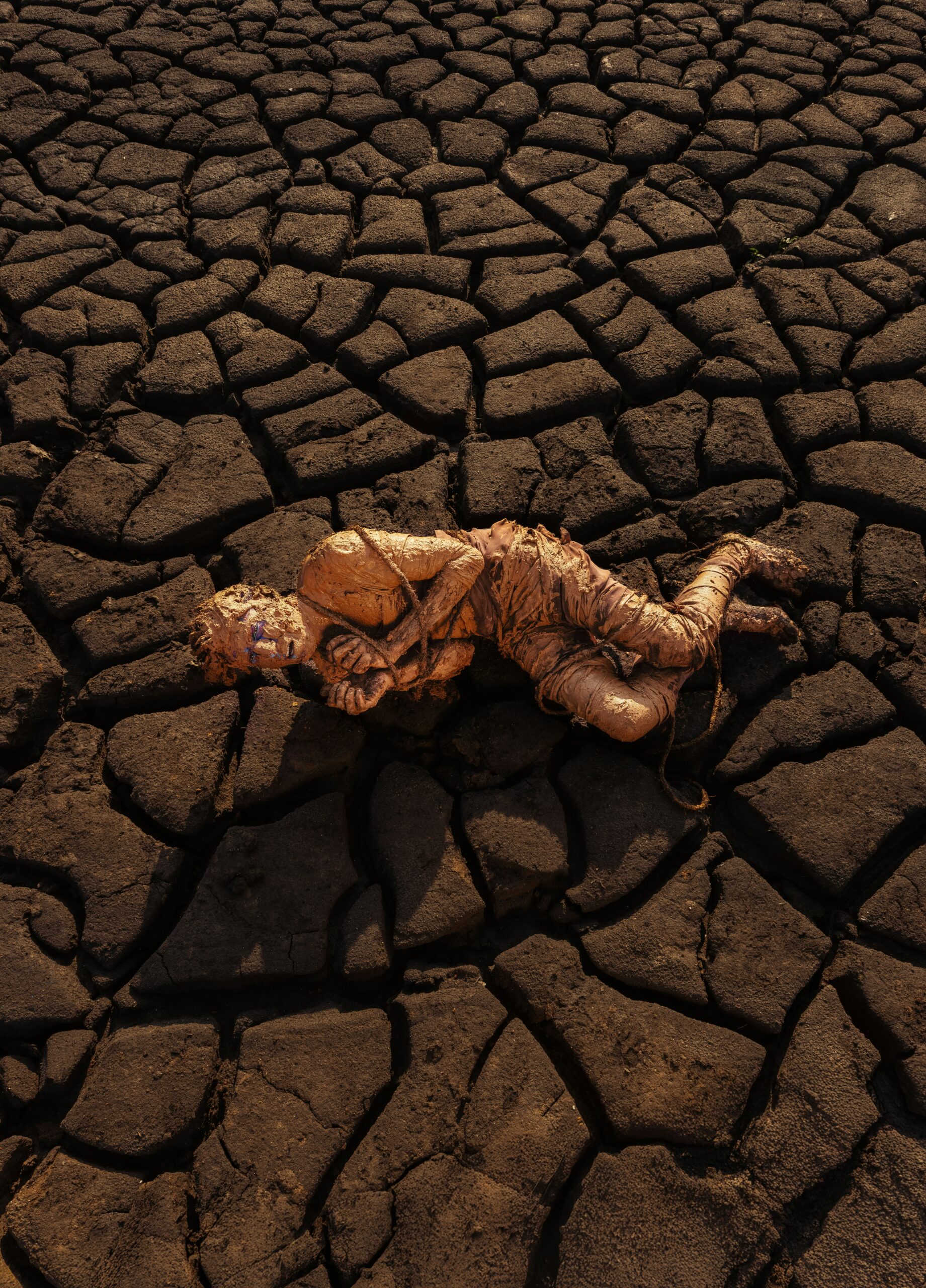
The world is currently grappling with an unprecedented convergence of geopolitical conflict, extreme weather events driven by climate change, and persistent economic instability, creating a major strain on global food security systems and threatening to exacerbate hunger for millions. This confluence of crises challenges international efforts to reduce poverty and malnutrition, requiring immediate and coordinated action from governments, aid organisations, and the agricultural sector to stabilise supply chains and protect vulnerable populations.
The Triple Threat to Global Supplies
For decades, the foundation of stable global food supplies relied on predictable production cycles and open trade routes. However, that stability has eroded significantly over the past two years due to mounting simultaneous shocks.
First, geopolitical instability, exemplified by major conflicts, has disrupted critical production hubs and choked off essential export routes, particularly those involving grain, fertiliser, and edible oils. This not only removes supplies from the market but also drives up the cost of production in other regions by making inputs prohibitively expensive.
Second, the increasing frequency and intensity of extreme weather events related to climate change are devastating agricultural yields across diverse geographies. Record heatwaves, severe droughts, and catastrophic flooding—events once considered outliers—are now commonplace, leading to crop failures in key breadbaskets in North America, Europe, and Asia. Farmers struggle to adapt planting schedules and manage water resources, forcing fundamental shifts in agricultural planning.
Finally, residual economic shocks, including high inflation and energy costs, amplify the crisis. The rising cost of fuel and transportation makes moving food from farm to market more expensive than ever, squeezing household budgets that were already stretched thin by post-pandemic economic volatility. This translates directly into higher prices at the consumer level, pushing affordable staples out of reach for the working poor in both developing and developed nations.
The Humanitarian Imperative
The immediate consequence of this “triple threat” is a rapid escalation in the number of people facing acute food insecurity. Aid agencies report critical shortfalls in funding and access, complicating efforts to deliver necessary sustenance to conflict zones and drought-affected regions. The United Nations and other international bodies warn that the combination of reduced harvests and trade restrictions could force more countries into dependency on external aid, undermining hard-won developmental gains.
“We are seeing a cascading effect where a shock in one area quickly transmits instability across the entire network,” explained Dr. Anya Sharma, a food systems expert with the Global Policy Institute. “Relying on single-country solutions is no longer viable. We need robust, diversified supply chains and international agreements that prioritise humanitarian access over political or economic expediency.”
Building Resilience Against Future Shocks
Addressing the current crisis requires a multi-pronged strategy focused on both short-term relief and long-term systemic resilience:
- Diversifying Production: Encouraging farmers worldwide to adopt climate-resilient crops and sustainable irrigation techniques reduces dependence on single, vulnerable agricultural regions.
- Investing in Local Supply Chains: Strengthening regional food processing and storage capabilities helps buffer against disruptions to international trade routes.
- Coordinating Global Policy: International financial institutions must work with governments to stabilise fertiliser markets and ensure that trade policies do not further restrict the movement of critical supplies during emergencies.
Ultimately, safeguarding global food security necessitates treating climate change and geopolitical stability as existential threats to the food system. Without immediate, concerted global cooperation, the world risks reversing decades of progress against hunger, condemning millions more to continued malnutrition and instability. The choices made today regarding trade, aid, and climate adaptation will determine the nutritional health of future generations.