The world’s oceans are facing an accelerating ecological crisis as scientists and policymakers confront the pervasive threat of microplastic pollution, a hidden enemy disrupting marine ecosystems from the surface to the deepest trenches.
Over the past decade, monitoring programs have revealed an alarming accumulation of plastic fragments smaller than five millimeters—known as microplastics and nanoplastics—that result from the breakdown of larger debris, textiles, and manufacturing processes. These minute particles are now recognized as a critical global contaminant, posing significant risks to marine life, human health, and the balance of critical ocean systems that regulate the planet’s climate. International bodies, national governments, and research institutions are urgently collaborating to map the distribution of these pollutants, understand their ecological impact, and develop scalable mitigation strategies before irreversible damage occurs.
Mapping the Invisible Contaminant
The sheer volume and microscopic size of these particles make tracking their flow a monumental challenge. Unlike large plastic debris, microplastics easily enter the food chain, consumed inadvertently by plankton, shellfish, and fish, thereby transferring up to commercial seafood.
Recent studies conducted by organizations such as the National Oceanic and Atmospheric Administration (NOAA) highlight the ubiquity of this contamination. Analysis shows that microplastics are not confined to recognized garbage patches but are densely distributed throughout major current systems, accumulating even in remote polar ice and pristine deep-sea sediments. Crucially, research is increasingly focusing on the chemical impact. Plastics absorb environmental toxins, meaning that when marine life ingests these fragments, they are also consuming concentrated harmful substances.
Policy and Industry Respond to the Crisis
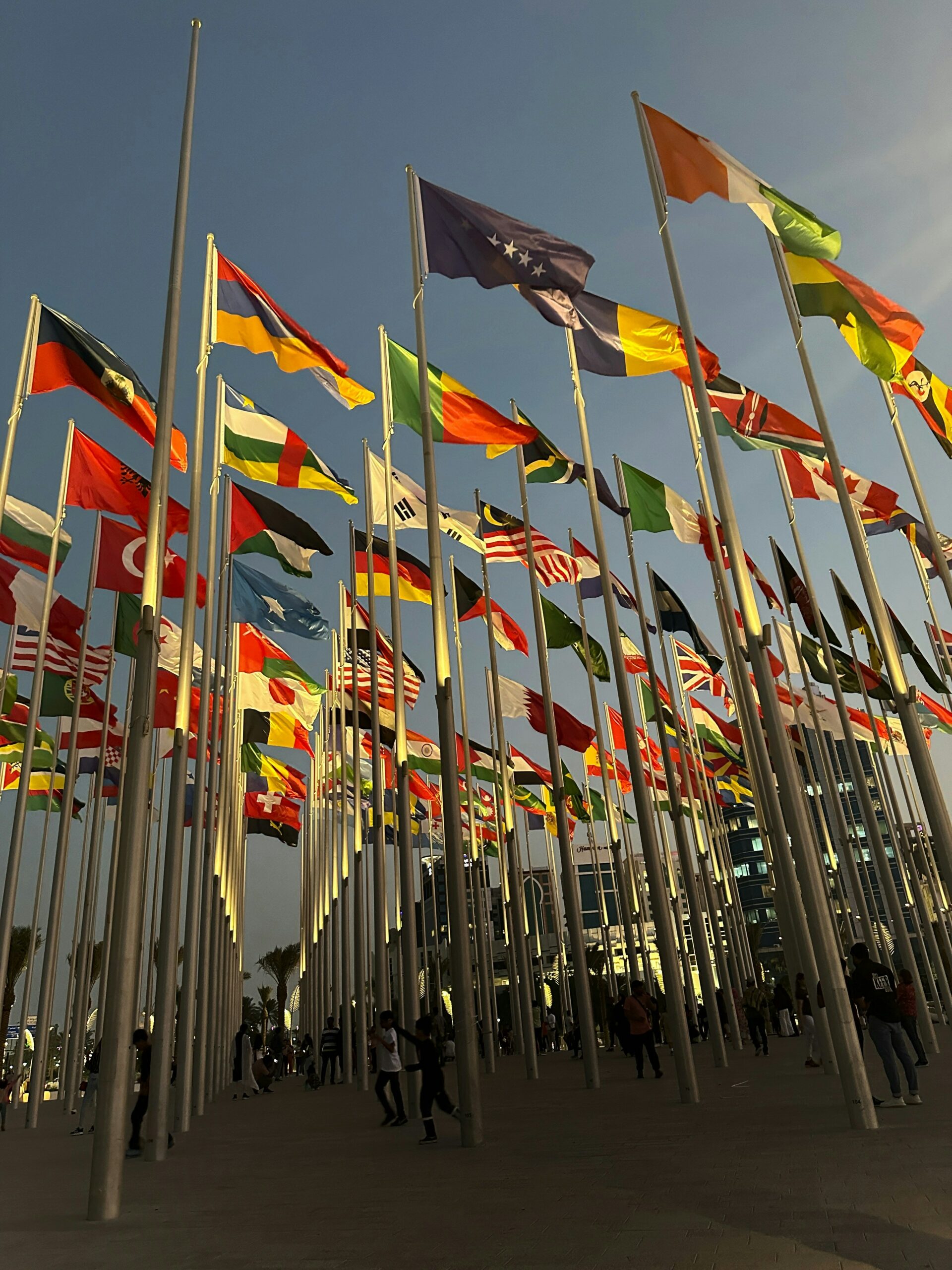
Recognizing the transboundary nature of ocean pollution, the development of a comprehensive strategy hinges on unified international action. The United Nations Environment Programme (UNEP) has positioned ocean plastic pollution as a key focus area, driving negotiations for a legally binding global Plastics Treaty. Such an agreement would mandate cradle-to-grave accountability for plastic, focusing on reducing virgin plastic production, improving waste management infrastructure, and promoting biodegradable alternatives.
Moreover, industry shifts are gaining momentum. Consumer pressure and impending regulatory changes are compelling manufacturers to redesign products. Key areas for intervention include:
- Tire and road wear particles: A significant, often overlooked source of microplastic pollution entering waterways.
- Textile runoff: Promoting washing machine filters and developing synthetic fabrics that shed less fiber.
- Cosmetics and personal care products: Eliminating intentionally added plastic microbeads.
Long-Term Health and Climate Implications
The ultimate concern extends beyond environmental damage to human well-being. Although the full implications of frequent human consumption of plastics via seafood, drinking water, and air are still being studied, preliminary evidence suggests potential links to inflammation and disruption of endocrine systems. The scientific consensus underscores the need for precautionary measures.
Further, the health of the ocean is inextricably linked to climate stability. Phytoplankton, microscopic marine organisms, play a vital role in sequestering carbon dioxide from the atmosphere. If microplastic pollution disrupts these essential communities, the planet’s natural carbon absorption capacity could be compromised, accelerating climate change.
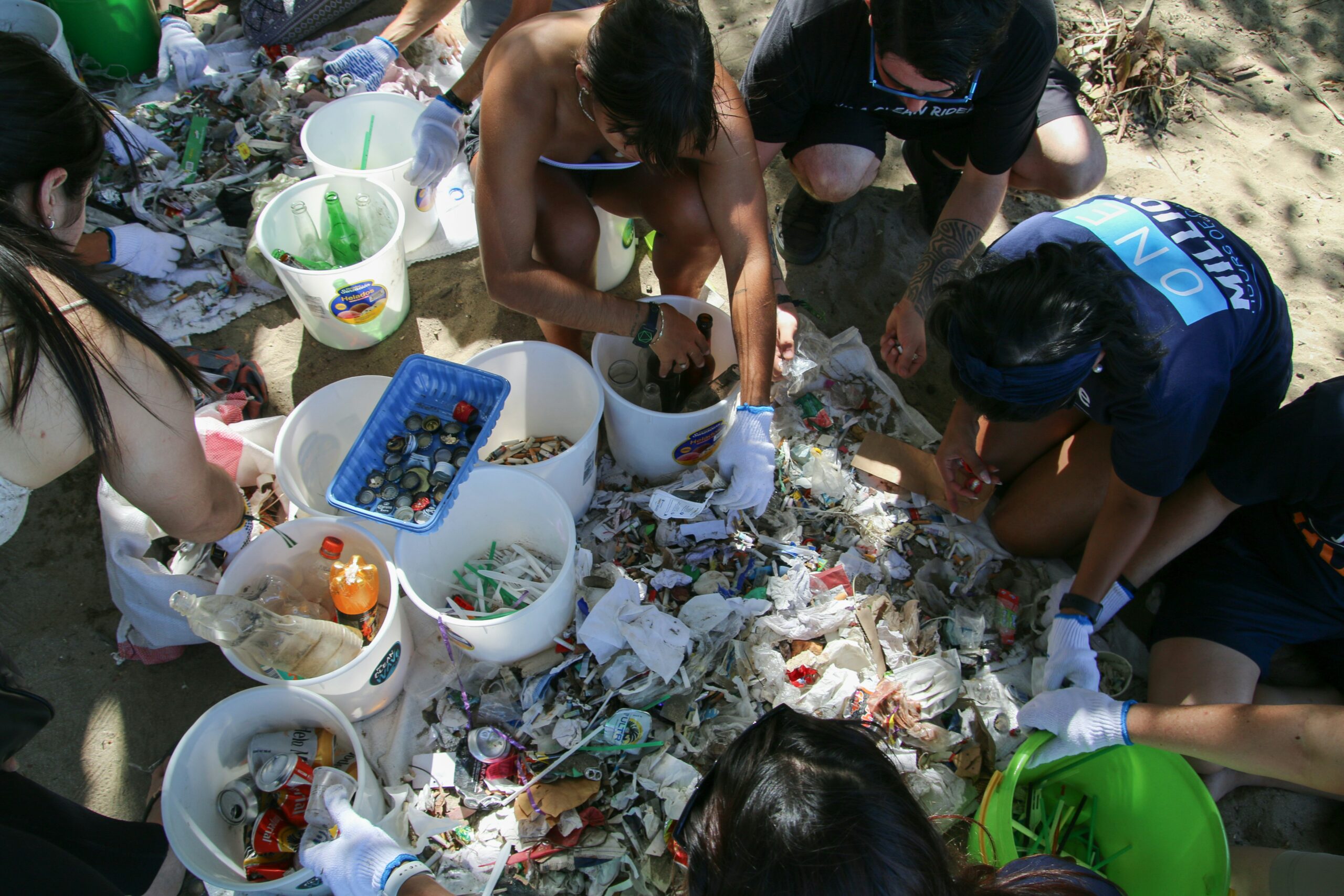
Addressing this global oceanic threat requires a dual approach: immediate cleanup of existing visible debris, coupled with the rapid, systemic reduction of new plastic entering the environment. Researchers continue to test innovative solutions, from enzyme-based degradation technologies to large-scale robotic cleanup efforts, but experts agree that the most effective action remains prevention at the source, emphasizing the necessity of closing the plastic tap globally.