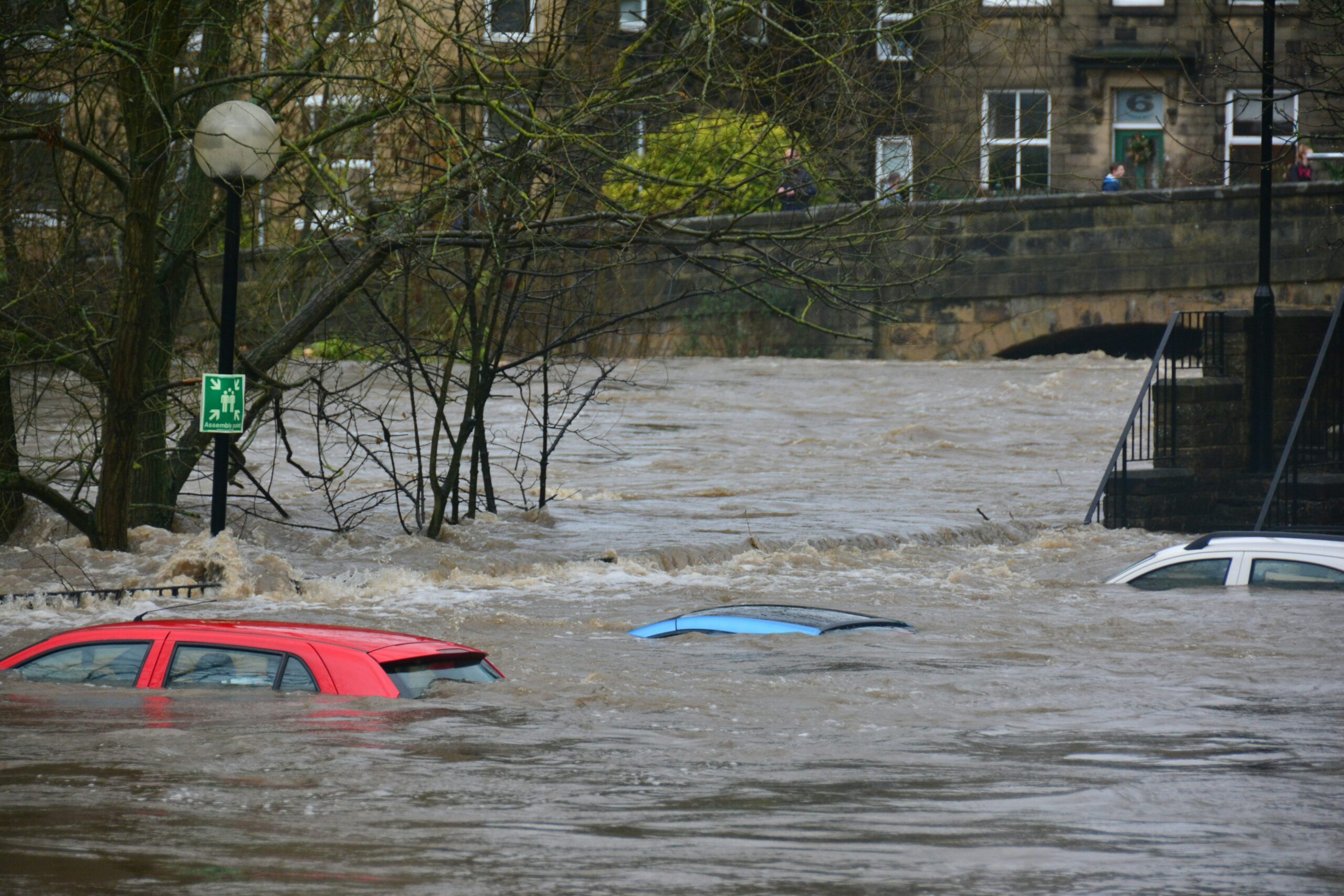
In communities across the globe, the question is no longer if a devastating flood will come, but when—and whether anyone will be ready when it does.
As climate change intensifies weather patterns, extreme precipitation events are becoming both more frequent and more severe. Floods, long one of nature’s most destructive forces, now threaten millions of people living in vulnerable zones, from coastal cities to inland river basins. The challenge for governments, planners, and residents is stark: adapt quickly or face staggering human and economic costs.
The Growing Threat
According to the World Meteorological Organization, flood-related disasters have increased by more than 130% since the year 2000. In 2022 alone, flooding caused over $40 billion in insured losses globally, with uninsured damage pushing that figure far higher. These figures mask a deeper crisis: rising waters disproportionately strike low-income communities, where infrastructure is weakest and resources for recovery are scarce.
Dr. Elena Vasquez, a hydrologist at the University of Amsterdam, warns that traditional models no longer suffice. “We are seeing rainfall events that exceed what engineers once called the ‘100-year flood’ happening every decade—or sooner,” she explained. “Our maps are outdated.”
A Story of Resilience—and Warning
In the small town of Feldheim, Germany, residents remember the summer of 2021 with visceral clarity. After a week of relentless rain, the local river burst its banks, submerging homes in minutes. “We had fifteen minutes to grab our children and our pets,” recalled Marta Klein, a schoolteacher. “Everything else was lost.”
Feldheim’s experience mirrors thousands of communities worldwide. The aftermath brought a painful lesson: emergency response alone is not enough. The town has since invested in natural flood management, including reforested riverbanks and retention basins designed to absorb excess water before it reaches homes. These measures reduced flood depth by nearly a meter during the most recent heavy rains last autumn.
What Works: Proven Strategies
Experts agree that a multi-layered approach offers the best defense. Key strategies include:
- Nature-based solutions: Restoring wetlands, planting trees along waterways, and preserving floodplains can slow runoff and store water.
- Infrastructure upgrades: Reinforced levees, storm surge barriers, and permeable pavements in urban areas reduce flood peaks.
- Early warning systems: Low-cost sensors and mobile alerts can provide communities with critical hours to evacuate.
- Financial safety nets: Parametric insurance, which pays out automatically when specific rainfall thresholds are met, is gaining traction in developing nations.
The Human Cost of Inaction
The gap between preparation and catastrophe is widening. In Pakistan, floods in 2022 submerged a third of the country, displaced 33 million people, and caused losses exceeding $30 billion. Recovery remains incomplete. In the United States, the National Flood Insurance Program owes more than $20 billion to taxpayers, a figure that underscores the systemic under-pricing of flood risk.
Dr. Vasquez emphasizes that preparation is not merely a technical issue—it is a matter of justice. “We have the data. We have the tools. The failure is one of political will and public awareness. People need to know their risk before the water rises.”
Looking Ahead
As the planet warms, the new normal demands a shift in mindset: from reaction to anticipation. Urban planners are now designing “sponge cities”—urban areas engineered to absorb and reuse rainwater. Communities are updating building codes to require elevated structures in flood-prone zones. And individuals are urged to check flood risk maps, purchase flood insurance even if not required, and create household evacuation plans.
The clock is ticking. For millions of residents living in harm’s way, the choice is no longer whether to prepare—but how fast they can act.
For more information on flood resilience and local risk assessments, visit your national weather service or the Global Flood Partnership.