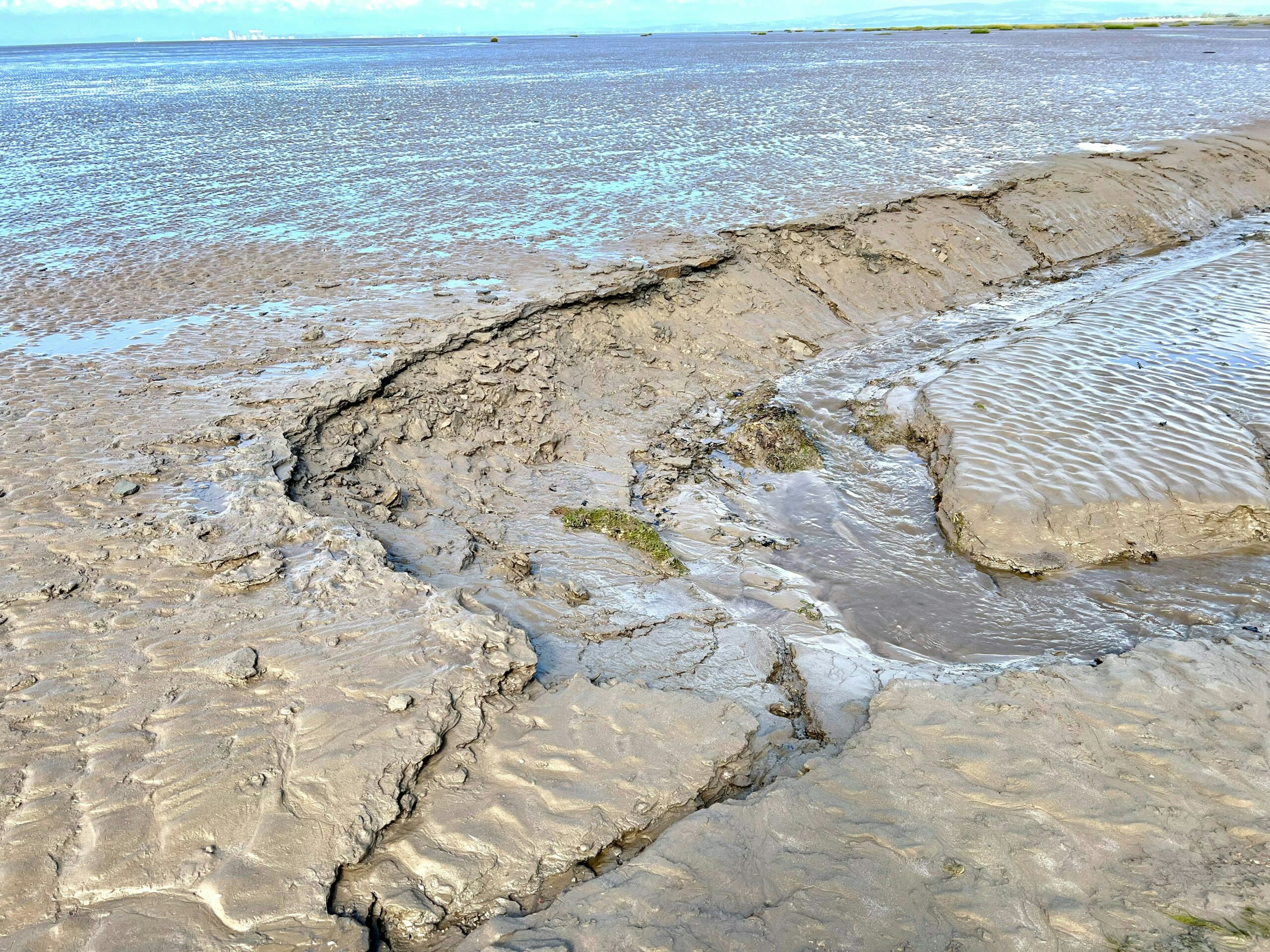
Extreme weather events are dramatically escalating the risk of coastal flooding across the United Kingdom, posing a substantial and immediate threat to vital national infrastructure, residential areas, and the economic stability of seaside communities. New research emphasizes that rapidly rising sea levels, coupled with increasingly severe storms, are combining to erode natural defenses and overwhelm existing flood protection systems, necessitating urgent adaptation and investment across vulnerable regions.
Rising Seas Challenge UK’s Coastal Resilience
The UK, with its extensive coastline and dense population distribution near the sea, faces particularly acute problems from climate change-driven processes. Scientists warn that the rate of sea level rise has now outpaced many previous projections, dramatically lowering the margin of safety provided by current coastal defenses. This phenomenon means that previously minor storm surges are now capable of triggering major inundation events, impacting areas that were once considered safe.
Key infrastructure assets, including major roads, rail lines, power generation facilities, and crucial water and sewage treatment plants, are disproportionately located near the coast. Experts suggest that a single significant flood event could simultaneously cripple transit systems and essential utility services across broad geographical areas. Furthermore, the estimated value of residential property at risk runs into the tens of billions of pounds, threatening decades of community stability.
Professor Eleanor Vance, a lead environmental researcher focusing on flood risk modeling, stated recently, “We are transitioning from managing occasional, extreme events to dealing with chronic, regular flooding. The focus must shift from simply repairing defenses after a storm to comprehensive, adaptive planning for permanent sea level changes.”
The Imperative for Adaptive Long-Term Planning
The government and local authorities are increasingly grappling with difficult decisions regarding how and where to invest in protection. Traditional engineering solutions, such as higher sea walls and expansive concrete barriers, are incredibly costly and often disrupt local ecosystems. There is a growing consensus that a multi-faceted approach, incorporating both ‘hard’ and ‘soft’ defenses, offers the best long-term strategy.
Soft engineering techniques involve working alongside nature to enhance resilience. These include:
- Managed realignment: Allowing controlled coastal flooding in low-value areas to create new salt marshes and mudflats, which naturally absorb wave energy and act as buffers.
- Dune restoration: Stabilizing natural sand dunes through planting specialist vegetation to provide a flexible and sustainable barrier against storms.
- Beach nourishment: Adding sand to eroded beaches to increase the width and elevation of the shoreline.
These nature-based solutions not only reduce flood risk but also provide valuable habitats and enhance coastal biodiversity, offering a better return on investment than purely construction-based methods.
Data released in a recent environmental report indicates that approximately 80% of the UK’s aging coastal flood defenses are due for substantial upgrades or replacement within the next two decades. This presents an opportunity, alongside the challenge, to implement modern, resilient designs tailored to localized risks.
Protecting Communities and Economic Vitality
The human element of coastal flooding remains central to the crisis. For residents living in affected areas, the constant threat of inundation introduces significant emotional and financial stress. Insurance premiums in high-risk zones have become prohibitively expensive, leading to calls for sustained government subsidized schemes to ensure adequate coverage remains accessible.
The path forward requires long-term public commitment and private sector partnership. Investing £1 in pre-emptive coastal risk management is estimated to save between £5 and £10 in post-disaster recovery costs. As climate change continues to redefine the UK’s coastline, adapting and mitigating these risks is not merely an environmental priority, but a crucial economic and societal one. Continuous monitoring and community preparedness, integrated into regional spatial planning, will be essential to safeguard the nation’s coastal future.