Lede
A record 32.6 million people were internally displaced by weather-related disasters in 2023, according to new data from the Internal Displacement Monitoring Centre (IDMC), as climate change accelerates mass migration across the developing world. Floods, storms, and wildfires drove the most significant movement, with countries in South Asia, sub-Saharan Africa, and Latin America bearing the heaviest burden.
Body
The report, released Thursday, reveals that internal displacement due to natural hazards has surpassed conflict-driven displacement for the first time in a decade. “We are witnessing a fundamental shift in global migration patterns,” said Dr. Elena Vargas, a migration policy analyst at the University of Oxford. “Climate is now the primary driver, and the numbers will only rise as temperatures climb.”
Hardest-Hit Regions
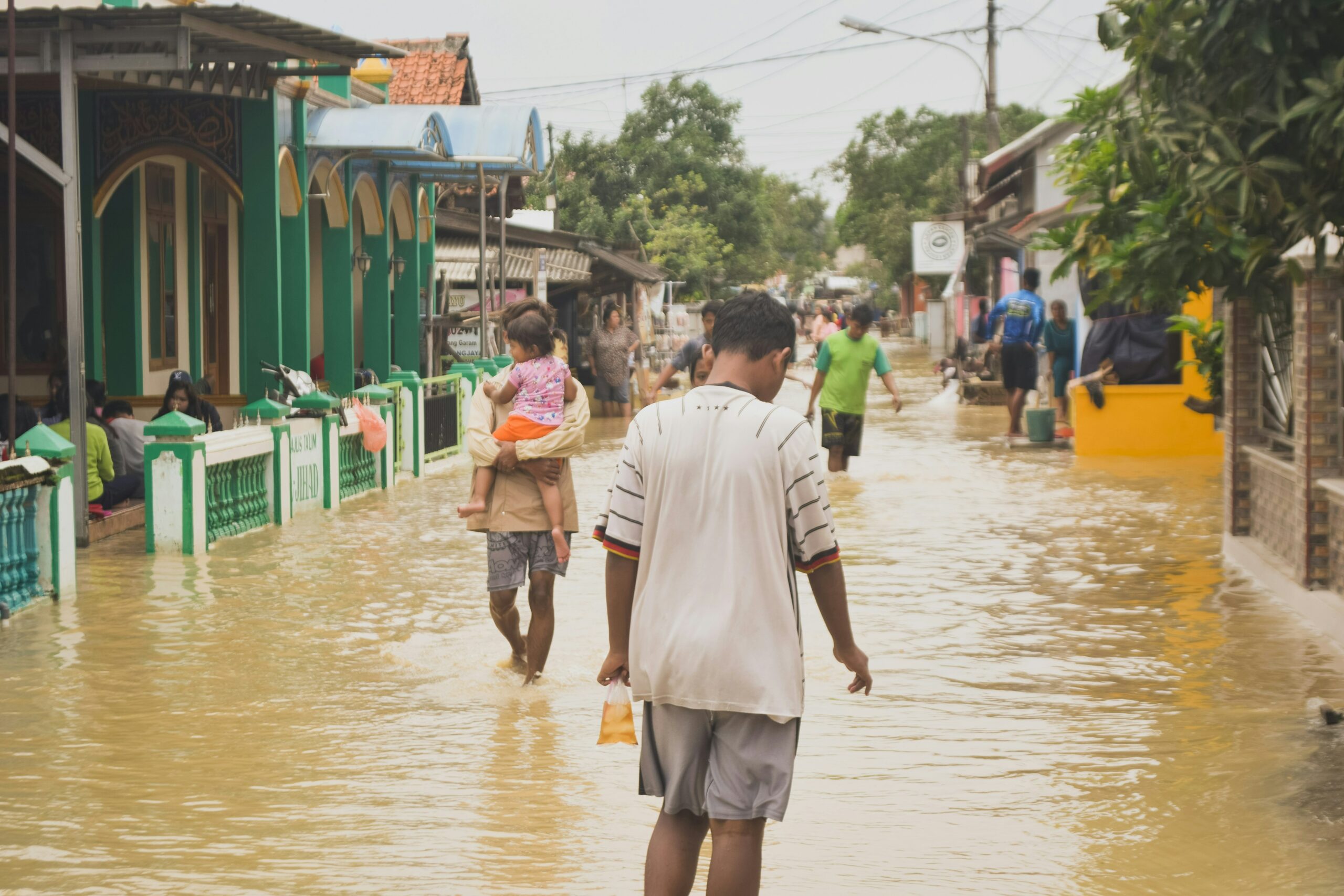
South Asia experienced the highest displacement, with India, Bangladesh, and Pakistan accounting for nearly 40 percent of all weather-related movements in 2023. Seasonal monsoon floods in Bangladesh displaced 3.1 million people, while Cyclone Mocha forced 1.7 million from their homes in Myanmar and Bangladesh.
Sub-Saharan Africa saw 8.4 million displacements, driven by prolonged drought in the Horn of Africa and catastrophic flooding in Nigeria and South Sudan. In Latin America, Hurricane Otis in Mexico and wildfires in Chile added 1.2 million to the global tally.
The Human Toll
For families like Amina Hassan’s, displacement has become a recurring crisis. The mother of four from Sylhet, Bangladesh, has been forced to flee floodwaters three times in the past five years. “Each time we rebuild, the water comes higher,” she told local reporters. “We cannot afford to move permanently, but staying feels impossible.”
The IDMC notes that most displacements are temporary, but the duration is lengthening. The average displacement period has stretched from 11 months in 2018 to over 18 months in 2023, straining host communities and national resources.
Underlying Factors
Experts point to a combination of climate vulnerability and inadequate infrastructure. The United Nations Environment Programme (UNEP) reports that 80 percent of disaster displacements occur in countries with low adaptive capacity. “Wealthier nations can buffer against extremes,” said Dr. Vargas. “But in the Global South, a single storm can erase years of development.”
The data also highlights a gender gap: women and children make up 70 percent of those displaced by climate events, often facing heightened risks of violence and exploitation during relocation.
Broader Implications
The trend carries significant geopolitical consequences. As internal displacement rises, cross-border climate migration is expected to increase. The World Bank projects that by 2050, 216 million people could move within their own countries due to climate pressures.
Governments are now racing to integrate climate resilience into national planning. Kenya has launched a national relocation program for communities in flood-prone zones, while Bangladesh is piloting floating schools and housing to adapt.
Looking Ahead
The report calls for urgent investment in early warning systems, sustainable housing, and social safety nets in vulnerable regions. “Displacement is not inevitable,” said IDMC director Alexandra Bilak. “With foresight and funding, we can help communities stay safe without uprooting their lives.”
For now, families like the Hassans continue to wait, their future tied to a warming planet that shows no signs of cooling. The question remains: can the world adapt faster than the storms arrive?